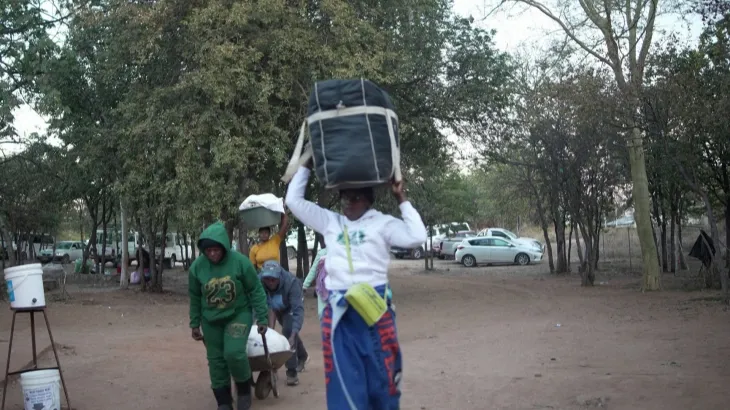
Thousands of Zimbabweans are returning to their home country from South Africa after experiencing xenophobic violence. This significant movement of people shows the severe impact of ongoing tensions. An additional 56,800 individuals have self-repatriated, according to figures published on July 11, 2026. This substantial number reflects a widespread decision among foreign nationals to leave South Africa. The movement follows increased tensions and attacks targeting foreign nationals within South Africa, creating an environment of fear and insecurity. Many are choosing to leave due to the sustained threat of xenophobic actions, which have made living and working in South Africa increasingly precarious for Zimbabweans. The decision to return home is often a last resort, driven by an urgent need for safety and stability.
Escalating Violence and Threats
Zimbabweans returning from South Africa detailed experiences of beatings, robbery, and threats from anti-migrant groups. These harrowing accounts paint a grim picture of the conditions faced by foreign nationals. These accounts highlight the direct impact of the escalating xenophobic sentiment on foreign nationals living in South Africa, forcing many to abandon their livelihoods and homes. The individuals reported facing physical violence, which often occurred without warning, and having their belongings stolen, leaving them destitute. These acts of aggression are often accompanied by verbal intimidation, further traumatizing victims and instilling a widespread sense of fear. Such incidents have become a significant factor in the decision of many Zimbabweans to leave South Africa and return to their home country, seeking refuge from the persistent danger. The consistent nature of these threats from anti-migrant groups has led to widespread fear among the Zimbabwean community, impacting their daily lives and long-term prospects in South Africa. The violence is not isolated but rather indicative of a broader pattern of hostility.
Mass Exodus and Government Response
Nearly 21,300 individuals have been repatriated by the Zimbabwean government within a five-week period. This organized return operation addresses the growing number of Zimbabweans seeking to leave South Africa amid rising xenophobic attacks, demonstrating a coordinated effort to assist its citizens. The government-assisted repatriations are part of a broader movement of people returning to Zimbabwe, driven by safety concerns and the urgent need to escape the volatile situation. This coordinated effort notes the official response to the pressures faced by its citizens living abroad, providing a structured pathway for their return. The repatriation process aims to provide a structured return for those affected by the volatile situation, offering support and logistical assistance to individuals and families who have often lost everything. The scale of these repatriations shows the severity of the crisis, as thousands rely on government aid to ensure their safe passage home.
Context of Migrant Tensions
South Africa has experienced heightened tensions surrounding migrant populations, particularly Zimbabwean nationals. These tensions have frequently manifested as xenophobic attacks targeting foreign residents, leading to widespread displacement and distress. The situation has prompted a significant number of Zimbabweans to return to their home country, with thousands self-repatriating and many others receiving government assistance to leave South Africa. This outflow stems from a continuous pattern of violence and threats against migrant communities, reflecting underlying socio-economic and political pressures within South Africa. The ongoing challenges faced by foreign nationals in South Africa contribute to a cycle of fear and displacement, compelling many to seek safety and stability across the border. The current wave of returns is a direct consequence of these sustained pressures and the perceived lack of safety for foreign nationals.