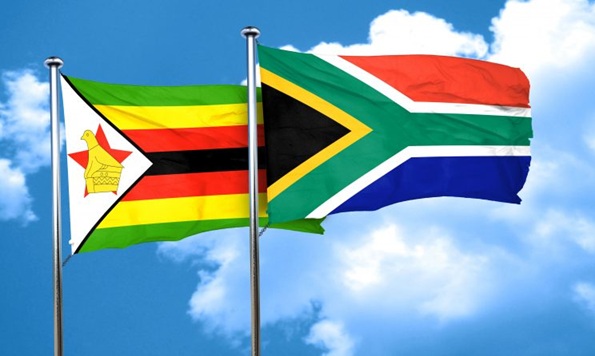
The Zimbabwe Consulate in Cape Town has been called upon to assist 67 nationals and 21 children who have been displaced by xenophobic violence in the Eastern Cape. This intervention comes as the affected individuals face severe challenges following their forced removal from homes. As of April 29, 2026, the affected families are reportedly living in the veld after being forced from their homes in communities such as Nompumelelo and KuGompo within the Buffalo City Metro. The Consulate's intervention follows reports of widespread displacement impacting Zimbabwean citizens in the region, noting a growing humanitarian concern. The 67 nationals and 21 children represent a significant cohort requiring immediate consular and humanitarian aid. These individuals were specifically evicted from their homes in Nompumelelo, an area located outside KuGompo (East London) or Buffalo City in the Eastern Cape, over the past weekend, contributing to the immediate need for assistance.
Escalating Xenophobic Incidents
Reports indicate that foreign-owned businesses in the Eastern Cape are being forcibly closed by xenophobic gangs, contributing to the displacement of foreign nationals. These actions have created an environment of fear and instability for many immigrant communities. Parallel anti-immigrant campaigns are also occurring in Durban, indicating a broader, national pattern of such activities. These operations have been characterized by groups such as March and March as "clean-up" initiatives targeting foreign presence, a term that has drawn criticism for its dehumanizing implications. The systematic nature of these closures and campaigns suggests an organized effort to remove foreign nationals from economic participation and residential areas.
Anti-crime activist Yusuf Abramjee has noted increasing evidence of Ethiopian businesspeople being specifically targeted within the Johannesburg CBD. This trend suggests a broader pattern of xenophobic actions extending beyond the Eastern Cape, affecting various communities and nationalities across South Africa's major urban centers. The targeting of specific ethnic groups or nationalities in these attacks raises further concerns about the nature and motivation behind the xenophobic violence. In the Nompumelelo section, located outside Buffalo City, social media posts have emerged depicting police officers escorting foreign nationals out of the area, further illustrating the ongoing displacement and raising questions about the role of law enforcement in these incidents. These images have circulated widely, drawing attention to the plight of the displaced individuals and the complex dynamics at play.
Official Responses and Concerns
Ward 59 councillor Sthembiso Hlatshwayo reported that he had approached the Gauteng premier’s office regarding intervention in the ongoing situation but had not yet received a response. The lack of an immediate official response from provincial authorities has been a point of concern for those advocating on behalf of the affected communities. The escalating violence and displacement have drawn international attention, with Ghana formally protesting the treatment of some of its nationals in South Africa. This formal diplomatic protest shows the severity of the situation and its implications for international relations. Nigeria and other countries have also expressed concern at the spread of xenophobic language and violence across the country, indicating a regional and continental apprehension regarding the safety and well-being of their citizens residing in South Africa. These international reactions highlight the urgent need for effective measures to address the crisis.
Acting Police Minister Firoz Cachalia condemned acts of violence against foreigners, promising that authorities would bring culprits before the courts. His statement aimed to reassure affected communities and the international community that the government is committed to upholding the rule of law and ensuring justice. President Cyril Ramaphosa addressed the issue during Freedom Day celebrations in Bloemfontein, emphasizing the nation's values and commitment to human dignity. "We are a people who live the value of ubuntu," President Ramaphosa stated, invoking a traditional African philosophy of interconnectedness and compassion. He further cautioned against allowing legitimate concerns about illegal migration to foster prejudice, drawing a clear distinction between lawful immigration enforcement and xenophobic attacks.
President Ramaphosa urged against allowing these concerns to "give rise to xenophobia, directed towards people from other African countries or other any parts of the world." He showed the importance of upholding and enforcing the law equitably for all residents. The President affirmed that authorities are "clamping down on illegal migration and on businesses that flout our laws by hiring undocumented persons at the expense of our citizens," indicating a dual approach of enforcing immigration laws while simultaneously condemning xenophobia. This stance aims to address both the concerns of citizens regarding migration and the rights of foreign nationals.
Calls for Intervention and Justice
Individuals were evicted from their homes in Nompumelelo, located outside KuGompo (East London) or Buffalo City in the Eastern Cape, over the past weekend. These evictions precede an anti-immigrant protest scheduled for May 4, suggesting a coordinated effort to pressure foreign nationals out of certain areas. Separately, three shop owners of Somali origin were fatally shot in the Johannesburg CBD, adding a tragic dimension to the ongoing violence and raising fears among business communities. These killings show the extreme dangers faced by some foreign entrepreneurs in South Africa.
Advocate Simba Chitando, representing the Zimbabwe Exemption Permit Holders Association (Zepha), has attributed some of these attacks to the state. Chitando stated, "The victims have been targeted by widespread, systematic, state-sponsored violence, and many have been rendered destitute." This grave accusation suggests a belief that the state's actions, or inactions, contribute to the targeting of foreign nationals. He added that he had contacted the Zimbabwean mission in South Africa and was informed they would convene an urgent meeting to provide consular assistance to the affected Zimbabwean citizens, indicating a proactive response from the Zimbabwean government to protect its nationals.
Chitando further remarked that the incident is "one of many recurring acts of violence by South African nationals specifically targeting foreigners from the region, which has led to the closure of South Africa’s doors to citizens from neighbouring countries." This statement notes a pattern of violence and its broader impact on regional relations and movement. He also drew a contrast, noting, "Meanwhile, South African companies and individuals are raking in profits from their African businesses and benefiting from the red carpet that Africa has rolled out for them," pointing to a perceived hypocrisy in the treatment of foreign nationals within South Africa compared to the welcome South African businesses often receive elsewhere on the continent. This disparity in treatment is a point of contention for many advocates and regional governments.