The International Bank for Reconstruction and Development (IBRD) has extended a new $1.5 billion loan to South Africa. This significant funding package is specifically allocated to support critical reforms within the country's water and sanitation sectors, according to an official announcement from the World Bank. The loan also provides key backing for continued reforms in the electricity and freight transport sectors, which are vital for South Africa's economic development and stability. This particular loan represents the fourth stand-alone Development Policy Loan extended to South Africa by the World Bank since 2022, showing a sustained partnership aimed at fostering structural improvements.
Key Sector Reforms Detailed
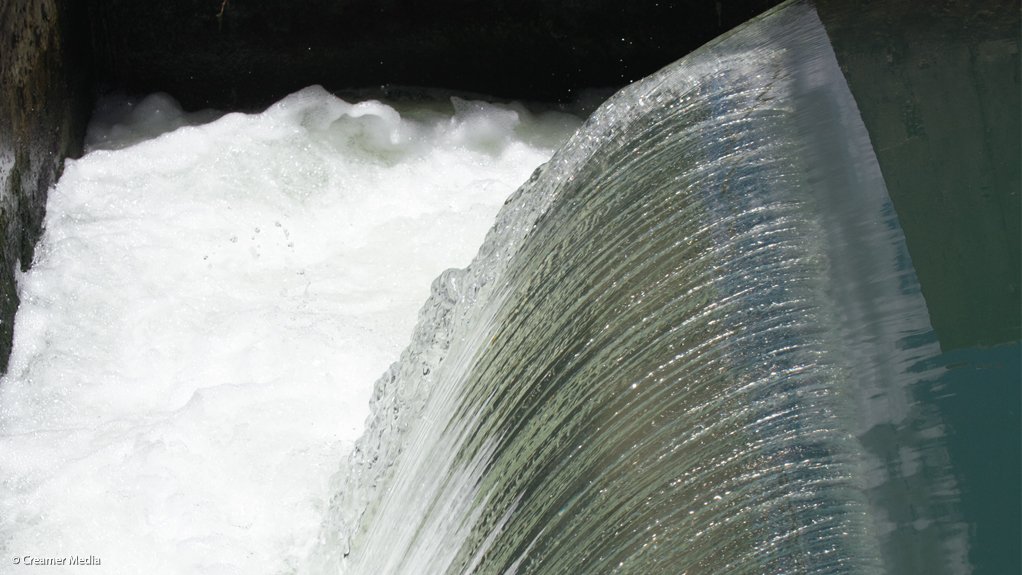
The water reforms, which are a central component of the program supported by this financing, aim to strengthen regulatory oversight within the sector. These reforms are designed to open the door to increased participation from private water service providers, fostering greater efficiency and innovation. The National Water Resources Infrastructure Agency will receive increased autonomy, enabling it to invest more effectively and strategically in bulk water infrastructure. These changes are designed to improve efficiency, enhance service delivery, and expand access to essential water services across the country, particularly benefiting underserved communities.
In the key electricity sector, the reforms involve several key initiatives. These include the launch of a competitive wholesale electricity market, which is expected to drive efficiency and reduce costs. The program also supports scaled-up private investment in transmission infrastructure, a critical need for modernizing and expanding the national grid. A key objective of these electricity reforms is to achieve 300,000 new household electricity connections by December 2027, directly addressing ongoing energy supply challenges and improving access for many households. This initiative seeks to diversify energy sources, enhance grid stability through greater private sector participation, and ensure a more reliable power supply for both citizens and industries.
For freight transport, a sector essential for economic growth and trade, the program supports increased competition among private rail operators. This move is anticipated to improve service quality and efficiency on the country's rail networks. Additionally, the loan facilitates the implementation of South Africa's first-ever port terminal concession, a landmark development located in Durban, one of Africa's busiest ports. These measures are intended to modernize the country's logistics network, enhance overall efficiency, and reduce transportation costs. By encouraging private investment and operational improvements within both the rail and port sectors, the reforms aim to create a more strong and competitive transport infrastructure.
Economic and Job Impact
The policy reforms supported by this substantial financing are anticipated to significantly enhance management efficiency and scale up private investment across key sectors, including rail, ports, and energy infrastructure. The World Bank projects that these full changes will lead to lower business costs, thereby creating a more attractive environment for investment and supporting increased employment opportunities throughout the economy.
The reforms are expected to lead to the creation of the equivalent of nearly 600,000 additional and better-paid jobs by 2032, representing a substantial boost to the national workforce. Specifically, initiatives within the electricity and transport sectors are projected to support the equivalent of approximately 280,000 jobs by 2027. This figure is then expected to rise significantly to more than 560,000 jobs by 2032, reflecting the long-term economic benefits envisioned from these structural adjustments. The World Bank indicated that these efforts are central to fostering sustainable economic growth, reducing unemployment, and improving the overall living standards in South Africa.
Progress and Partnerships
South Africa has already made significant progress in addressing key economic challenges, demonstrating its commitment to reform. Notably, the country has nearly eliminated loadshedding for the past year and a half, a major achievement that has brought greater energy stability to businesses and households. This improvement in energy stability has coincided with a substantial increase in private investment within the renewable energy sector, which has grown sixfold, indicating a strong shift towards sustainable power sources. Concurrently, the country's logistical infrastructure has seen a boost, with rail and port freight volumes rising by more than 50% since 2023, reflecting improved operational efficiency and increased trade activity.
The World Bank's operation was developed through close coordination with several international development partners, noting a collaborative approach to supporting South Africa's reform agenda. These key partners include Germany, Japan, the Organisation of the Petroleum Exporting Countries Fund, and the African Development Bank. Their collaborative efforts aim to bolster South Africa's ongoing reforms and economic development initiatives, providing a broad base of international support.
Official Reactions
This loan represents the fourth stand-alone Development Policy Loan to South Africa since 2022, showing a continuous commitment to the nation's progress. It specifically supports continued reforms in electricity and freight transport, building on previous successes. The water and sanitation reforms are projected to bring concrete improvements for millions of households across South Africa. These anticipated benefits include less time spent collecting water, which disproportionately affects women and children, lower health risks due to improved sanitation, and better access to clean water and sanitation services for the poorest female-headed households, directly addressing critical social and public health challenges.