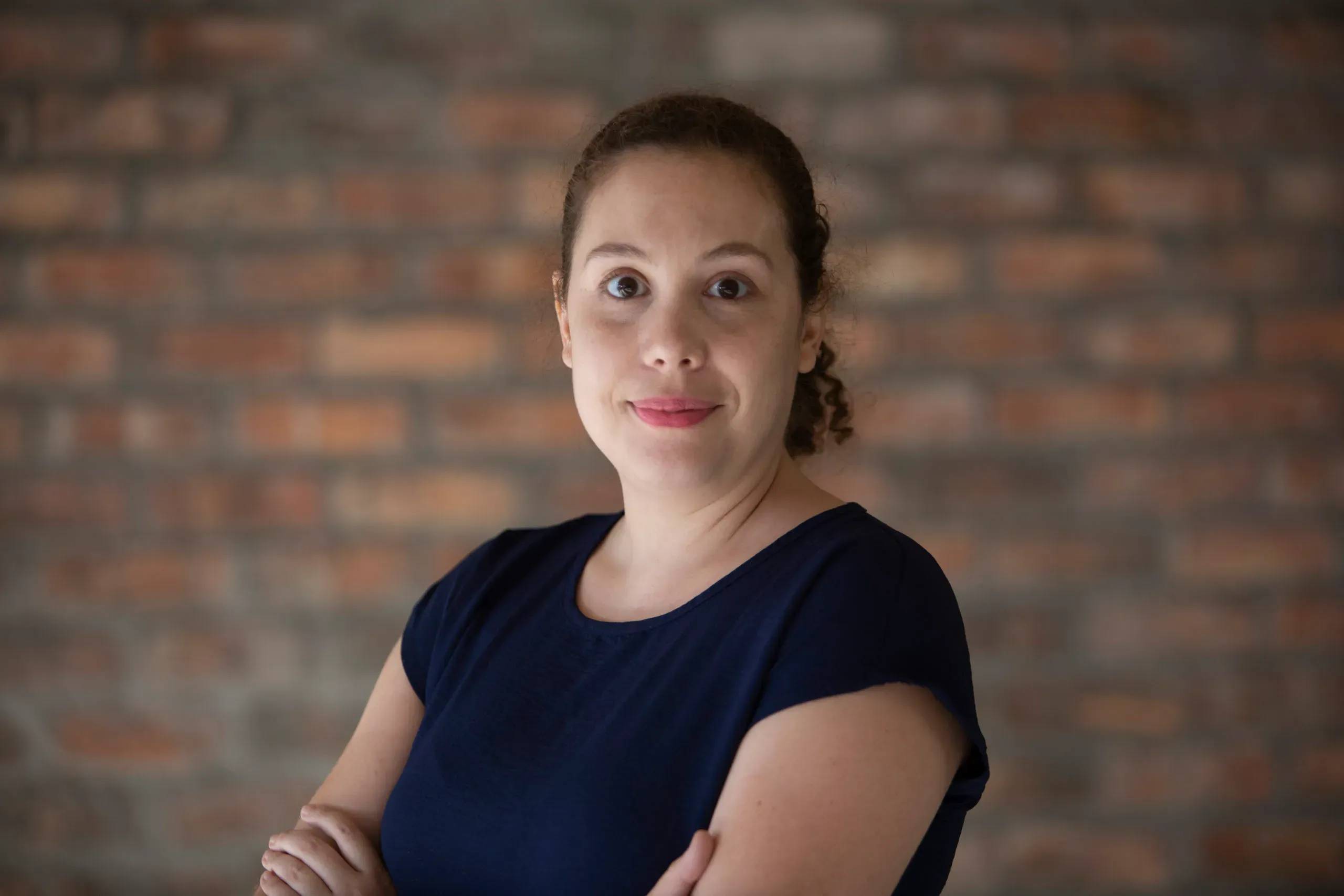
In honour of Women's Month 2026, the satirical political podcast Politically Aweh is noting sexism, disinformation, and threats of violence targeting women within South Africa's political sphere. The podcast's focus emerged after Tara Roos spoke online about the attacks she received. Following Roos's account, numerous female journalists contacted her and publicly shared their own experiences of similar online abuse.
Amplification by Digital Platforms
Digital platforms frequently facilitate the spread of online threats targeting women in South African politics and media. Ferial Haffejee, an Associate Editor at Daily Maverick, is among the prominent figures in South African journalism whose work often involves public discourse amplified across these digital spaces. Similarly, Caryn Dolley, an investigative reporter specializing in organised crime for Daily Maverick, operates in a high-stakes journalistic field where her reporting can attract significant online attention and potential threats. The reach of these platforms means that content, including abusive messages, can disseminate rapidly, exposing individuals to widespread harassment.
Barriers to Accountability
Digital law expert Emma Sadleir states that platforms such as Twitter (X), Alphabet (owner of YouTube and Google), ByteDance (owner of TikTok), Snap (owner of Snapchat), and Meta are frequently cited as hosting and amplifying abuse. These companies theoretically offer law enforcement takedown mechanisms designed to expedite requests for identification and content removal. However, Sadleir noted the practical difficulties South African authorities face in utilizing these systems. "In theory, the police should have hook-lines into these companies – to Twitter, or X, to Alphabet, which owns YouTube and Google, to ByteDance, which owns TikTok, Snap, which owns Snapchat, and to Meta," Sadleir said. She added, "They all have these law enforcement takedown mechanisms which are supposed to fast-track requests for identification and removal notices. But to be honest with you, if we go to the police in South Africa, they don’t even have email addresses. They don’t even have Wi-Fi." This lack of basic digital infrastructure hinders effective engagement with platform-specific accountability processes.
Real-World Consequences
Political analyst Tara Roos initiated a police investigation after receiving serious death threats. Roos stated that such threats aim to silence individuals, emphasizing, "After I spoke online about the attacks that I received, there were many female journalists that also spoke up online and who contacted me to say they’d experienced the same thing. I think threats like these are aimed at silencing people, and we should not be silenced. We should not be threatened for giving an opinion." Her experience notes the tangible impact of online abuse on women in South African public life.
Call for Platform Responsibility
Human rights lawyer and policy advocate Nicole Fritz states that platforms hosting abuse maintain they are not liable under South African law. Fritz emphasized the necessity of greater accountability for these digital spaces. "We need to do a much better job seeking to hold the platforms to account for the crimes, the abuses, and the gross ills that we see perpetrated on these platforms," Fritz said. Her statement notes a perceived gap in the legal framework and the operational responsibilities of digital service providers regarding harmful content.