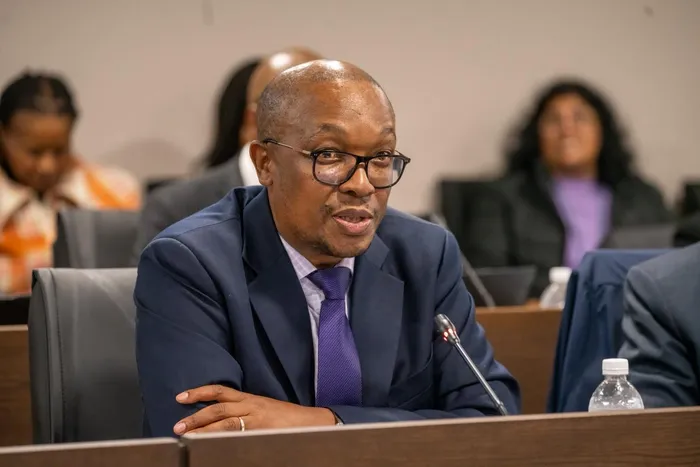
South Africa observed World Bee Day on May 20, joining global celebrations focused on the critical role of pollinators in food security. This year's commemoration noted the country's reliance on bee populations, particularly as South Africa is currently a net importer of honey. Andiswa Jass, Head of Department at the Gauteng Department of Agriculture and Rural Development (GDARD), showed the essential connection between bees and food production. "Without bees, there is no agriculture," Jass stated, emphasizing their indispensable contribution to the agricultural sector. The event sought to raise awareness about the challenges facing bee populations and promote sustainable beekeeping practices across the nation.
Pioneering Women in Beekeeping
Lulu Letlape established Bongi Bees in 2016 following a serious autoimmune diagnosis. This venture, she explained, created an immediate connection for her. Letlape noted the matriarchal structure within beekeeping, stating, "The bee kingdom is led by women." Her operation began with five hives and has since expanded to 100 hives. Letlape aims to increase the number of hives to 500 within the next three years. She has also developed a training program, through which approximately 20 women in Gauteng and another 20 in the North West have completed her instruction.
Dawn Noemdoe founded HoneyatDawn, which currently operates three apiaries situated in Paarl and Wellington. Noemdoe discussed the challenges inherent in establishing such a business. She noted that "access to the capital means of production, such as land, water and money for inputs, remains difficult." Despite some advantages, she clarified, "To be clear, although it was easier, it was not a path of least resistance; it took me a year to secure my first apiary." Noemdoe believes in the power of shared knowledge, stating, "When knowledge is shared openly. It creates a more informed community that is better equipped to handle challenges and adapt to change." She described her entrepreneurial path as one focused on empowering others. "This journey has meant building a business that uplifts other women. Particularly in rural and urban and agricultural spaces, as well as within our townships, where stories like mine are often overlooked," Noemdoe said.
The Gauteng Department of Agriculture and Rural Development (GDARD) is commissioning research to support the development of entrepreneurial black beekeepers. This research also addresses the management of bee diseases, including American Foulbrood.
Empowerment Through Training
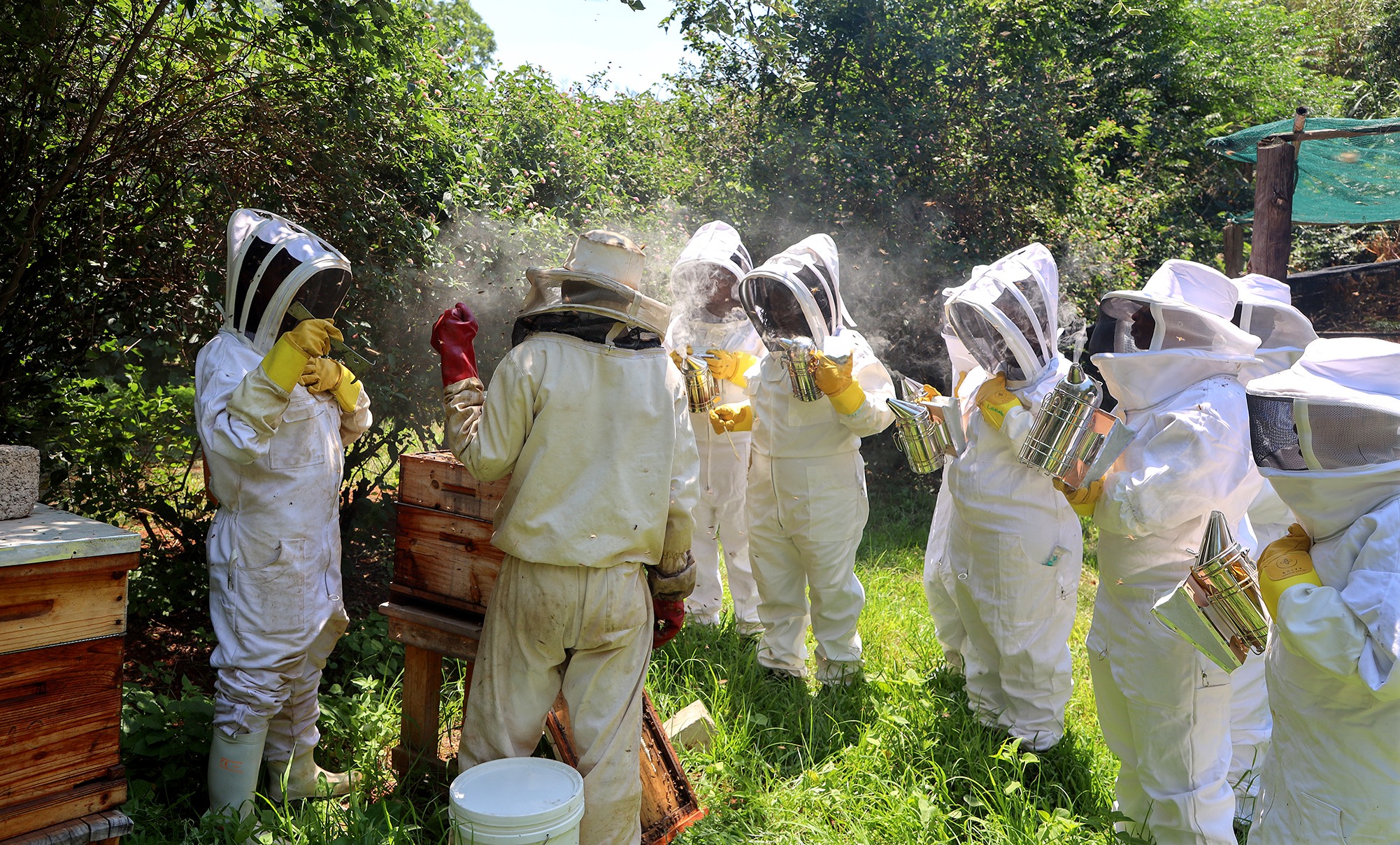
This year's global theme for World Bee Day, "Bee Together for People and the Planet: A Partnership That Sustains Us All," notes the collaborative effort required for sustainable beekeeping. Dawn Noemdoe, founder of HoneyatDawn, has extended this principle by establishing a training initiative named BeeGood Africa. BeeGood Africa aims to empower new beekeepers, particularly women, by providing essential skills and knowledge. The program received initial funding support from the World Wide Fund for Nature (WWF) and the Nedbank GreenTrust, enabling its foundational work.
Noemdoe, whose own entrepreneurial path involved overcoming significant hurdles, emphasized the importance of such initiatives. She stated that "access to the capital means of production, such as land, water and money for inputs, remains difficult." Reflecting on her own experience, Noemdoe added, "To be clear, although it was easier, it was not a path of least resistance; it took me a year to secure my first apiary." Her experience shows the necessity of shared knowledge and support systems within the beekeeping community.
BeeGood Africa has already facilitated the training of 15 beekeepers, equipping them with the practical skills needed to establish and manage their own operations. Noemdoe believes strongly in the power of collective learning, noting that "when knowledge is shared openly. It creates a more informed community that is better equipped to handle challenges and adapt to change." This approach aligns with her broader vision of fostering economic independence and opportunity. Noemdoe concluded, "This journey has meant building a business that uplifts other women. Particularly in rural and urban and agricultural spaces, as well as within our townships, where stories like mine are often overlooked."
Challenges and Broader Meaning
The journey for women beekeepers in South Africa is marked by both significant opportunities and persistent systemic hurdles. While initiatives like BeeGood Africa and the efforts of entrepreneurs such as Lulu Letlape and Dawn Noemdoe demonstrate a growing momentum in the sector, broader challenges remain. Access to essential resources, including land, water, and capital for inputs, continues to be a primary barrier for many aspiring beekeepers. These difficulties are particularly pronounced in rural and urban agricultural spaces, as well as within townships, where economic upliftment through beekeeping could have a substantial impact.
The Gauteng Department of Agriculture and Rural Development (GDARD) recognizes these challenges and is commissioning research to support the development of entrepreneurial black beekeepers. This research also targets critical agricultural concerns such as the management of bee diseases, including American Foulbrood, which can devastate bee populations and undermine beekeeping efforts. Despite these obstacles, the beekeeping sector offers a unique pathway for economic empowerment, particularly for women. The matriarchal structure of bee colonies itself resonates with the leadership roles women are increasingly taking in this agricultural niche, fostering a sense of connection and purpose while contributing to food security.