Wind power has emerged as South Africa's fastest-growing renewable energy source, according to data released by Stats SA. The sector recorded an annual growth rate of 17.1%, positioning it as a significant contributor to the nation's energy transition. This expansion notes a notable shift in the country's energy landscape, with wind energy projects increasingly contributing to the national grid. The growth of wind power is a key indicator of South Africa's evolving energy mix, moving towards more sustainable and domestically sourced power generation. This rapid development shows the strategic importance of wind resources in achieving national energy security and environmental objectives.
Rapid Expansion and Potential
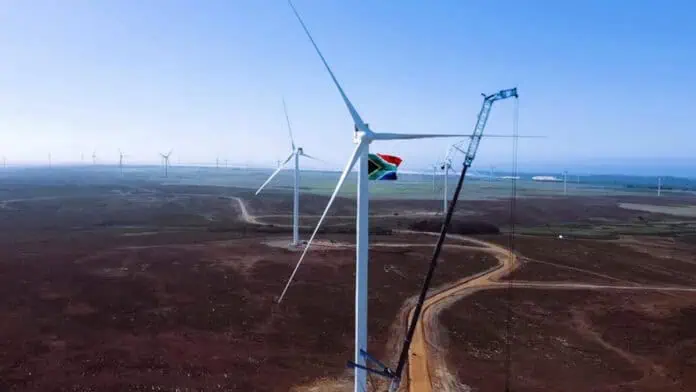
South Africa currently operates 40 wind farms with a combined installed capacity exceeding 3.8 gigawatts (GW). These operational facilities form the backbone of the country's burgeoning wind energy sector, demonstrating the viability and effectiveness of large-scale wind power generation. The nation's renewable and hybrid energy project pipeline demonstrates significant potential, with more than 220 GW under development. This extensive pipeline signals a strong future for renewable energy in the country, with numerous projects in various stages of planning and construction. Among these, 110 GW are specifically designated as hybrid projects, which often combine different renewable technologies to ensure more consistent power supply. A substantial portion of this hybrid capacity, specifically 75.8 GW, includes a wind component, further emphasizing the central role of wind power in future energy developments.
The geographic characteristics of South Africa are particularly favorable for wind energy. Large areas of South Africa experience average wind speeds above 8.5 meters per second at a height of 100 meters, a velocity comparable to high-yield wind regions in the United States and Europe. These high wind speeds translate directly into higher electricity generation potential, making these regions prime locations for new wind farm developments. Beyond onshore potential, preliminary assessments further indicate a substantial technical offshore wind capacity, estimated at over 900 GW. This immense offshore potential represents a largely untapped resource that could significantly boost South Africa's total renewable energy output. These assessments also project an offshore generation potential exceeding 2,300 terawatt-hours per year, a figure that notes the transformative impact offshore wind could have on the national grid and energy supply. The exploration and development of these offshore resources could further diversify the country's energy portfolio and provide a stable, large-scale source of clean electricity.
Policy and Market Drivers
The regulatory and market environment in South Africa is increasingly conducive to the growth of renewable energy. The Electricity Regulation Amendment Act (2024) and the formation of the South African Wholesale Electricity Market (SAWEM) are anticipated to stimulate growth within the nation's wind power sector. The Electricity Regulation Amendment Act (2024) is designed to streamline licensing processes, encourage private sector investment, and create a more competitive electricity market. Simultaneously, the establishment of the South African Wholesale Electricity Market (SAWEM) aims to provide a transparent and efficient platform for electricity trading, which is expected to attract further investment into renewable energy projects, including wind farms. These policy and market reforms are key for de-risking investments and providing a clear framework for development.
Major industrial players have also signaled significant demand, reinforcing the commercial viability and necessity of renewable energy expansion. Anglo American has committed to procure 5,000 MW of renewable energy by 2030, a substantial commitment that will drive the development of new clean energy projects. Similarly, Sasol has pledged to buy 2,000 MW of renewable energy by the same year. These commitments show a growing corporate appetite for clean energy, driven by sustainability goals, carbon reduction targets, and the desire for more stable and cost-effective power supply. Such large-scale procurement agreements provide long-term revenue certainty for renewable energy developers, further accelerating the growth of the wind power sector.
Wind power offers a distinct advantage over other renewable sources by providing electricity during nighttime hours, a capability not shared by solar power. This characteristic allows wind energy to contribute to grid stability and energy supply around the clock, making it a valuable component in a diversified energy mix. The ability of wind power to generate electricity outside of daylight hours helps to balance the intermittency of solar power, providing a more consistent and reliable supply of renewable energy to the national grid. However, challenges remain for the sector's long-term development. Policy uncertainty and existing market hurdles are reportedly hindering the growth of local manufacturing capabilities for wind energy components, potentially limiting broader economic benefits from the expansion of wind power. The lack of strong local manufacturing means that South Africa may not fully capture the job creation and industrial development opportunities associated with its wind energy boom, relying instead on imported components. Addressing these challenges is vital for maximizing the socio-economic impact of wind power.
Industry Outlook and Challenges
South Africa's wind power sector has demonstrated significant growth, with generation increasing from 6,512 GWh in 2021 to 10,450 GWh in 2024. This substantial increase in output over a three-year period notes the rapid scaling up of wind energy production and its growing contribution to the national electricity supply. This expansion positions wind energy as a prominent contributor to the national grid, increasingly displacing traditional fossil fuel sources. In comparison, solar power generated 7,140 GWh during the same period, indicating wind's larger output volume and its leading role among renewable energy technologies in the country. The higher generation volume from wind power shows its current dominance in South Africa's renewable energy landscape.
Despite the surge in renewables, diesel-based generation also saw a substantial increase, growing by 34.5% per annum over the same three-year timeframe. This concurrent rise in diesel generation, often used for emergency power or to bridge supply gaps, notes the ongoing struggle to fully transition away from fossil fuels and the persistent energy supply challenges faced by the country. It indicates that while renewable capacity is growing, it has not yet completely alleviated the need for more costly and carbon-intensive power sources.
The majority of future renewable energy projects are anticipated to be concentrated in the Cape region, encompassing the Western Cape, Eastern Cape, and Northern Cape provinces. This geographical clustering is expected to further consolidate the region's role as a hub for renewable energy development, leveraging its excellent wind resources and often available land for large-scale projects. The concentration of projects in these provinces is also likely to lead to the development of specialized infrastructure and expertise within the region, creating a strong ecosystem for renewable energy. The continued growth of wind power, alongside other renewables, is seen as key for South Africa's energy transition goals, aiming to reduce carbon emissions and enhance energy security. However, the concurrent rise in diesel generation notes ongoing challenges in fully displacing fossil fuels within the energy mix, emphasizing the need for sustained investment and policy support to accelerate the transition.