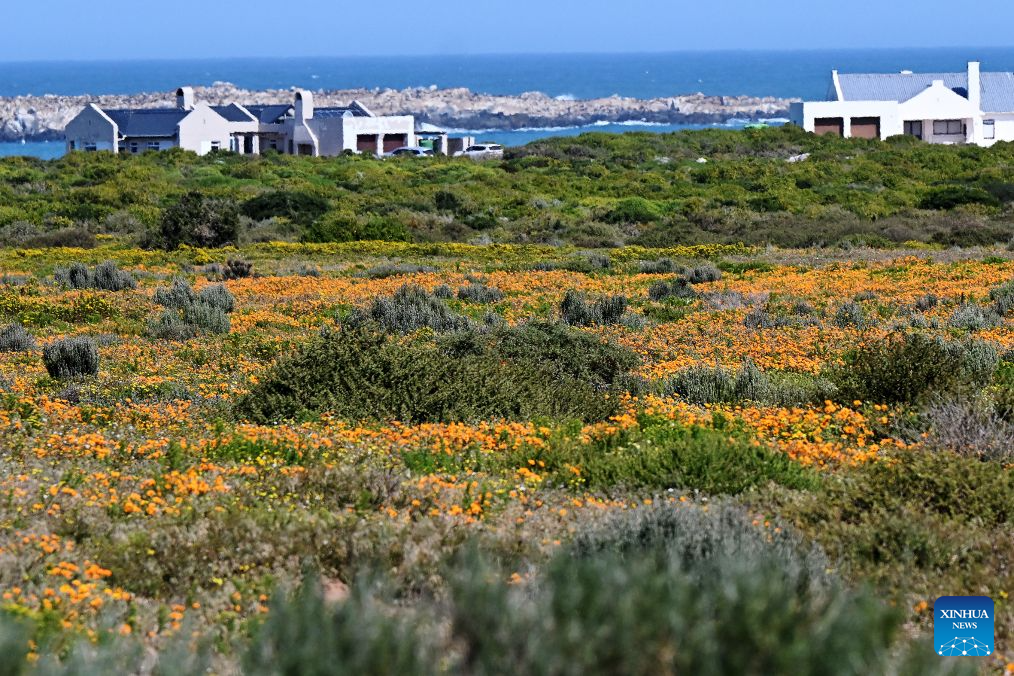
Wildflowers were observed blooming across the West Coast of South Africa on Sept. 5, 2026, marking the annual display of flora in the region. This vibrant spectacle attracts visitors and is a significant natural event for the area. The seasonal bloom transforms the landscape with diverse colors and species, creating a breathtaking natural exhibition. The West Coast is renowned for these yearly floral occurrences, which are a highlight of its natural heritage and a major draw for tourism. The sight of the landscape bursting into life with countless blossoms is a testament to the region's unique ecological conditions and its rich biodiversity.
Annual Spectacle Unfolds
South Africa's West Coast experiences a spectacular and colorful flower season each year, typically occurring between August and September. This annual display transforms the region's landscape into a vibrant tapestry of diverse flora. The seasonal bloom is a significant natural event, drawing numerous visitors to witness the unique botanical phenomenon. The West Coast has become renowned for these yearly floral occurrences, which are a hallmark of its natural heritage. The precise timing and intensity of the bloom can vary slightly each year, influenced by rainfall and temperature patterns, but the general window for viewing remains consistent. This consistent timing allows both local and international visitors to plan their trips to witness the natural wonder. The spectacle offers a vivid showcase of the region's rich biodiversity, contributing to its reputation as a prime destination for nature enthusiasts during this specific period. The annual return of these blooms is eagerly anticipated, signaling a time of vibrant beauty across the coastal plains. South Africa's West Coast boasts a spectacular and colorful flower season annually between August and September, making it a globally recognized natural wonder.
Vibrant Displays Observed
The West Coast of South Africa has once again become a focal point for nature enthusiasts as its renowned wildflowers begin their annual display. The seasonal bloom, a characteristic event for the region, transforms the landscape into a vibrant mosaic of colors. This natural spectacle typically unfolds between August and September, drawing visitors eager to observe the diverse flora. The sheer scale and variety of flowers during this period are a key attraction, offering an unparalleled visual experience.
The yearly occurrence on the West Coast has established the area as a significant destination for botanical tourism within South Africa. Experts often monitor the conditions, including rainfall and temperature, which influence the exact timing and intensity of the bloom each year. While variations can occur, the general period for viewing remains consistent, offering a reliable window for observation. This predictability, combined with the stunning natural beauty, ensures a steady influx of tourists. The event shows the rich biodiversity present in the West Coast region, noting its ecological importance and its role as a sanctuary for numerous plant species. The vibrant displays are a clear indicator of a healthy and thriving ecosystem.
Seasonal Significance
The annual wildflower bloom on South Africa's West Coast represents a key ecological event, contributing significantly to the region's biodiversity. This yearly phenomenon sustains various local ecosystems, providing habitats and resources for diverse insect and animal life. The seasonal display also holds substantial economic importance, attracting numerous tourists who visit specifically to witness the vibrant floral spectacle. Its consistent occurrence each year reinforces the West Coast's reputation as a prominent natural heritage site within South Africa. The event shows the unique botanical richness of the area, drawing attention to its conservation value. The influx of visitors during this period provides a significant boost to local economies, supporting businesses and communities across the West Coast. This natural cycle is not only a visual marvel but also a vital component of the region's environmental and economic well-being.