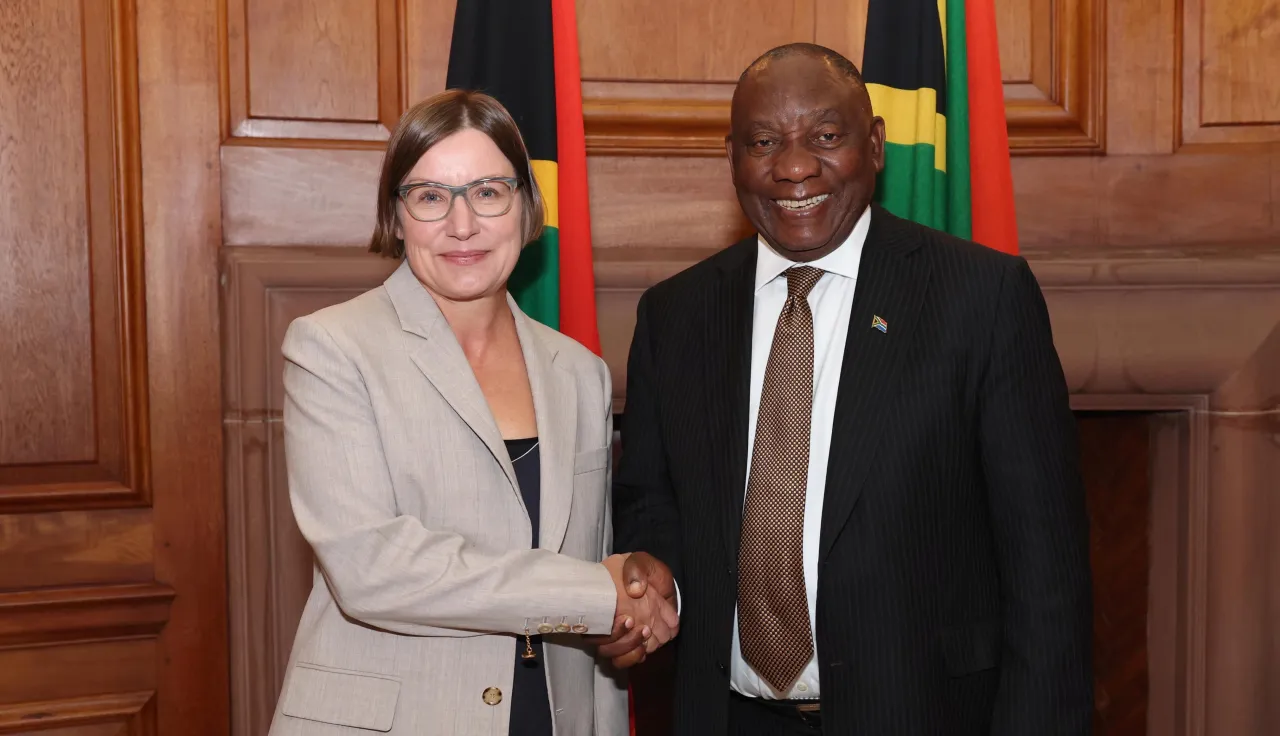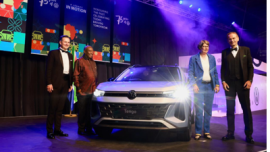
Volkswagen Group Africa is investing R4 billion in its operations in South Africa, a significant announcement made during the company's 75th anniversary celebration at its Kariega plant in the Eastern Cape. The substantial investment shows Volkswagen's enduring commitment to the South African economy and its manufacturing sector. President Cyril Ramaphosa attended the milestone event, noting Volkswagen's long-standing and impactful presence in the country, which spans three-quarters of a century. The celebration itself marked a key moment, not only for Volkswagen but also for the broader automotive industry in South Africa.
"We are greatly encouraged by Volkswagen's continued investment in our country," President Ramaphosa stated during his address, acknowledging the German automaker's deep roots and ongoing contributions. He further elaborated, "We particularly welcome the R4 billion investment associated with the introduction of the new Volkswagen Tengo." President Ramaphosa described the substantial financial injection as a clear "vote of confidence in our workers," emphasizing the trust placed in the skills and dedication of the South African labor force. He also framed it as a testament to South Africa's strong manufacturing capability and its attractiveness as an investment destination for global corporations. Ramaphosa showed the critical importance of building upon the country's established automotive manufacturing base, which is supported by a pool of skilled workers and abundant critical mineral reserves, essential for future technologies. "We must not only assemble the vehicles of the future. We must increasingly manufacture the components, process the materials and develop the skills and technologies that go into them," he urged, outlining a vision for a more integrated and technologically advanced automotive industry within South Africa. This vision aligns with the government's broader industrialization strategy, aiming to move beyond assembly into higher-value manufacturing processes.
Kariega Plant's Growing Role and Global Significance
The Kariega plant is set to expand its production line with the introduction of the new Volkswagen Tengo, marking it as the third model to be manufactured at the facility. This strategic addition significantly diversifies the plant's output and strengthens its operational capacity. The Tengo will complement the plant's existing and highly successful production of the Volkswagen Polo and Polo Vivo models, which have been mainstays of the facility for years. As Volkswagen's oldest manufacturing facility located outside of Europe, the Kariega plant holds a unique and significant position within the company's global operations. Its longevity and consistent output are testaments to its strategic importance. The plant has an impressive historical record, having produced close to five million vehicles since its establishment on August 31, 1951, showcasing decades of continuous manufacturing excellence.
Production figures from the previous year further show its strong capacity and efficiency, with more than 156,000 vehicles produced at the Kariega site alone. This high volume of production notes the plant's critical role in meeting both domestic and international demand for Volkswagen vehicles. Notably, the Kariega plant stands as the sole global manufacturing site for the Volkswagen Polo, from where it is meticulously produced and exported to key markets in Europe and the Asia-Pacific region. This exclusive manufacturing responsibility for such a popular model elevates Kariega's status within Volkswagen's global network. Last year alone, the plant exported almost 120,000 vehicles to various international destinations, firmly cementing its role as a key export hub for Volkswagen and a significant contributor to South Africa's export economy. The introduction of the Tengo is expected to further enhance this export capability and reinforce the plant's global standing.
Automotive Sector's Profound Economic Impact
The automotive sector is a substantial and indispensable contributor to South Africa's economy, playing a key role in national development and employment. The industry directly supports more than 115,000 manufacturing jobs, providing stable employment and livelihoods for a significant portion of the workforce. Its broader impact extends far beyond direct manufacturing, rippling across the entire automotive value chain, where it accounts for over half a million jobs nationwide. This extensive employment footprint includes roles in component manufacturing, logistics, sales, after-sales services, and related industries, demonstrating its deep integration into the national economic fabric.
This industry is a significant economic driver, representing just over 5% of the country's gross domestic product (GDP). This percentage shows its critical contribution to the national wealth and economic output. The automotive industry demonstrates a wide international reach, showcasing South Africa's manufacturing prowess on a global scale. It successfully exports vehicles and components to an impressive 155 destinations globally, noting its competitiveness and the quality of its products. The sector's extensive employment figures, its substantial contribution to GDP, and its vast export network collectively highlight its critical and strategic role in the national economic landscape. The continued investment by companies like Volkswagen is vital for sustaining and growing this key sector.
Volkswagen's Full Community Investment and Presidential Vision
Volkswagen is allocating more than R800 million towards social investment initiatives specifically designed to uplift and support communities surrounding its Kariega plant. This substantial commitment shows the company's broader engagement beyond its core manufacturing operations in the Eastern Cape, reflecting a dedication to corporate social responsibility and local development. These investments are channeled into various programs aimed at improving quality of life, education, and social infrastructure in the region.
Further illustrating its dedication to local development and addressing national challenges, Volkswagen invests R40 million annually in the Youth Employment Service (YES) programme. This ongoing financial contribution supports critical efforts aimed at addressing the pressing issue of youth unemployment and fostering essential skills development among young people in the region. The YES programme is a key initiative designed to provide practical work experience and training, equipping young South Africans with the competencies needed to enter the workforce and contribute to the economy.
The investment by Volkswagen Group Africa, particularly the R4 billion injection, is directly linked to the introduction of the new Volkswagen Tengo model at its Kariega plant, securing the plant's future and enhancing its production capabilities. This facility has a long and storied history, having produced close to five million vehicles since its establishment on August 31, 1951, a testament to its enduring legacy and operational excellence. Notably, the Kariega plant stands as the sole global manufacturing site for the iconic Volkswagen Polo, from where it is meticulously produced and exported to key international markets in Europe and the Asia-Pacific region, showing its unique strategic importance within the Volkswagen network. Last year alone, the plant exported almost 120,000 vehicles to various international destinations, solidifying its role as a vital export hub for Volkswagen and a significant contributor to South Africa's export economy. President Ramaphosa's presence and remarks at the 75th-anniversary celebration reinforced the government's commitment to supporting the automotive sector and recognizing the invaluable contributions of companies like Volkswagen to South Africa's industrial growth and economic prosperity. The continued collaboration between government and industry remains key for realizing the full potential of the country's manufacturing capabilities.