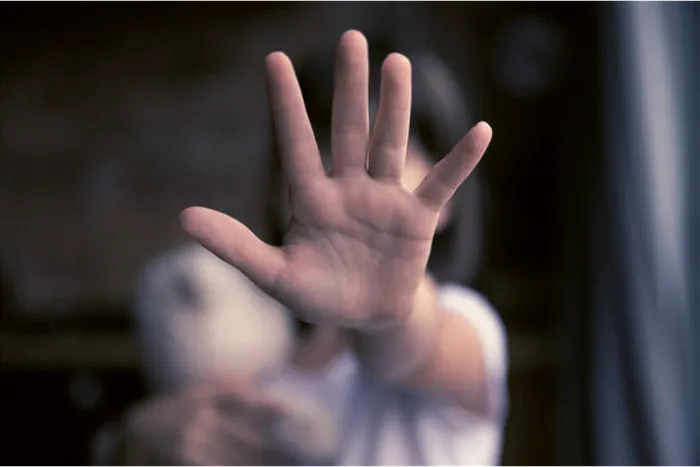
South Africa is facing an urgent need for enhanced child protection measures, as organizations like the World Health Organization (WHO), SADAG, DSK, and DSD emphasize the critical importance of safeguarding children from abuse. Doctor Keresha Govender, among other experts, has noted the profound and lasting impact of such trauma on young individuals. The current situation necessitates a full and coordinated response to address the vulnerabilities children experience across the nation. Protecting the well-being of South Africa's youth is critical for their healthy development and the country's future stability. Research indicates that abuse significantly raises the likelihood of harmful outcomes not only for individuals but also for their families and broader societies. This shows the urgency of addressing child protection effectively.
Devastating Repercussions of Abuse
The World Health Organization (WHO) states that toxic stress resulting from child abuse can disrupt healthy development, increasing the risk of enduring mental, physical, and behavioral problems. The long-term effects on children are extensive, impacting various aspects of their well-being. Common psychosocial repercussions of childhood abuse include emotional scars, disturbances in behavior, and the development of negative thought patterns. Additionally, individuals who have experienced abuse often face challenges such as depression, anxiety, and difficulties with trust and relationships. The WHO also points to an increased probability of substance abuse and sleep disorders among victims, further illustrating the profound and lasting damage inflicted by child abuse. These lasting mental, physical, and behavioral problems can manifest throughout an individual's life, affecting their education, employment, and personal relationships. The impact extends beyond the individual, creating cycles of trauma that can affect future generations and societal stability.
Identifying Signs and Symptoms
Symptoms of child abuse can manifest in several ways, according to experts. These may include sudden outbursts of irritability and anger, alongside feelings of low self-worth and confidence. Children experiencing abuse might display an inability to feel safe, anxiety, and depression. Behavioral changes can involve avoidance of returning home, school, or the site of abuse, as well as sleep disruptions. Other indicators include paranoia associated with specific people or places, and over-exacerbated dependency behaviors. A sudden decline in previously strong academic or extracurricular performance, continued absences from school without valid reason, and self-harm or acting out are also potential signs. It is key for caregivers, educators, and community members to be vigilant and recognize these indicators, as early intervention can significantly mitigate the long-term effects of abuse.
Pathways to Intervention and Support
Individuals who suspect child abuse are urged to contact the necessary authorities to initiate investigations, ensuring the safety of the child and other vulnerable individuals within their family or institutional unit. This process should proceed without bias. It is imperative that you contact the necessary authorities and allow them to investigate and continue the process without bias to ensure the child's safety and that of other vulnerable individuals within that family or institutional unit. Reporting suspicions is a critical first step in breaking the cycle of abuse and providing victims with the protection and support they desperately need.
Free guidance and treatment for those advocating against abuse, victims, and leaders seeking to improve their skills in supporting survivors are available through various organizations. These include the South African Depression and Anxiety Group (SADAG), non-profit organizations such as Door of Hope Children's Mission (DSK), government organizations like the Department of Social Development (DSD), and other stakeholders, including faith-based organizations. These organizations offer a range of services from counseling and therapy to safe housing and legal assistance, all key for the recovery and well-being of child abuse survivors.
A Call for Collaborative Action
Research indicates that child abuse significantly increases the probability of detrimental outcomes for individuals, their families, and broader society. The World Health Organization (WHO) has previously noted the widespread and long-lasting impact of such experiences. These findings show the critical need for coordinated interventions to protect vulnerable populations and mitigate the societal costs associated with child abuse. Addressing these challenges requires a unified approach involving various stakeholders to ensure the safety and well-being of children. A collaborative effort among government agencies, non-profit organizations, communities, and individuals is essential to create a protective environment where every child can thrive free from abuse.