The Tshwane Metro has reported a loss of R155.4 million in development funds, a figure contributing to ongoing financial discussions that highlight critical challenges in municipal fiscal management. Meanwhile, business developments across the country include the recent opening of the Fleurhof mall in Johannesburg, significantly expanding retail options for residents in the area. Financial markets also saw attention drawn to the astute early investment strategies of prominent businessman Jannie Mouton, specifically his key bets on Capitec and PSG Financial Services, which have drew significant returns. In environmental news, dams across the Western Cape have registered slight decreases in their water levels, prompting ongoing monitoring and water conservation efforts in the region. These varied developments paint a picture of South Africa's dynamic economic and administrative landscape.
Tshwane's Financial Setback
The Tshwane Metro experienced a significant financial setback, reporting a substantial loss of R155.4 million in development funds. This considerable deficit has contributed to ongoing discussions about the Metro's fiscal management and its ability to deliver essential services. A primary contributing factor to these financial difficulties was the critical failure to issue statutory notices on time, according to sources familiar with the Metro's operations. This administrative oversight impacted various key processes within the municipal framework, directly leading to the substantial financial void. The R155.4 million loss is not merely an accounting figure; it represents a tangible reduction in funds available for vital urban development projects.
The R155.4 million loss represents a considerable portion of the Metro's development budget, prompting serious concerns regarding the timely execution of planned projects and the delivery of essential services to residents. The lack of adherence to statutory timelines for notice issuance is a procedural lapse that can have cascading effects on municipal financing, project implementation, and public trust. Officials have not yet publicly detailed the specific projects or budget allocations most affected by the R155.4 million loss, leaving many questions unanswered regarding the immediate impact on communities. The Metro is now facing increased scrutiny regarding its financial controls and administrative efficiency as it works to address the deficit and prevent future occurrences. The financial implications of the delayed notices are expected to be a key point of discussion in upcoming council meetings as the Metro seeks solutions to recover from the shortfall and implement strong measures to prevent similar administrative failures in the future. The inability to issue these notices punctually shows a broader issue of operational effectiveness within the municipal administration, demanding full review and reform.
Market Watch and Investment Insights
Billionaire Jannie Mouton, often referred to as the "Boere Buffett" for his strategic and often contrarian investment approach, has been noted for his early and highly successful bets on Capitec and PSG Financial Services. These investments proved to be prescient, laying the foundation for significant financial growth. In broader economic news, South Africa’s producer inflation cooled to 5.7% year-on-year in July, a notable decrease from 7.5% recorded in June. This figure was also below the 6.1% forecast by economists polled by Reuters, indicating a more significant deceleration than anticipated. Nedbank economists, for instance, had projected producer inflation to be 6.3%. Regarding the inflation outlook, Nedbank economists stated, "The risks to the inflation outlook remain skewed to the upside, primarily due to the uncertainty surrounding the conflict in the Middle East." This geopolitical factor continues to cast a shadow over global and local economic stability, influencing commodity prices and supply chains.
In currency markets, the rand showed mixed movements. The rand traded at 15.98 to the dollar on Thursday, reflecting daily fluctuations in global exchange rates. On Friday, 28 August, 2026, the rand was trading at R16.00 to the dollar, indicating a slight depreciation against the greenback. The local currency also traded at R21.75 to the pound on the same date, and R18.64 to the euro, showcasing its performance against other major international currencies. South Africa’s 2035 benchmark government bond yield rose by 1.5 basis points, reaching 8.47%, a movement that can reflect investor sentiment regarding long-term government debt. Gold prices saw the precious metal trading at $4,584.74 an ounce on Friday, 28 August, 2026, maintaining its status as a safe-haven asset amidst global economic uncertainties. This price point reflects the dynamic interplay of supply, demand, and investor confidence in the international commodities market.
Sectoral Trends and Developments
Price increases have significantly affected the video game market in South Africa, according to recent reports from industry analysts. This trend in gaming prices is projected to lead to a noticeable downturn in sales for titles across both PlayStation and Xbox platforms, impacting both publishers and retailers. The anticipated decline suggests a potential shift in consumer purchasing habits within the local gaming sector, with consumers possibly becoming more selective or delaying purchases due to increased costs. This situation poses a challenge for the gaming industry, which relies heavily on consistent sales of new releases to sustain growth and innovation. The rising cost of games, often influenced by international exchange rates and local economic conditions, could force a re-evaluation of pricing strategies by distributors and developers operating in the South African market.
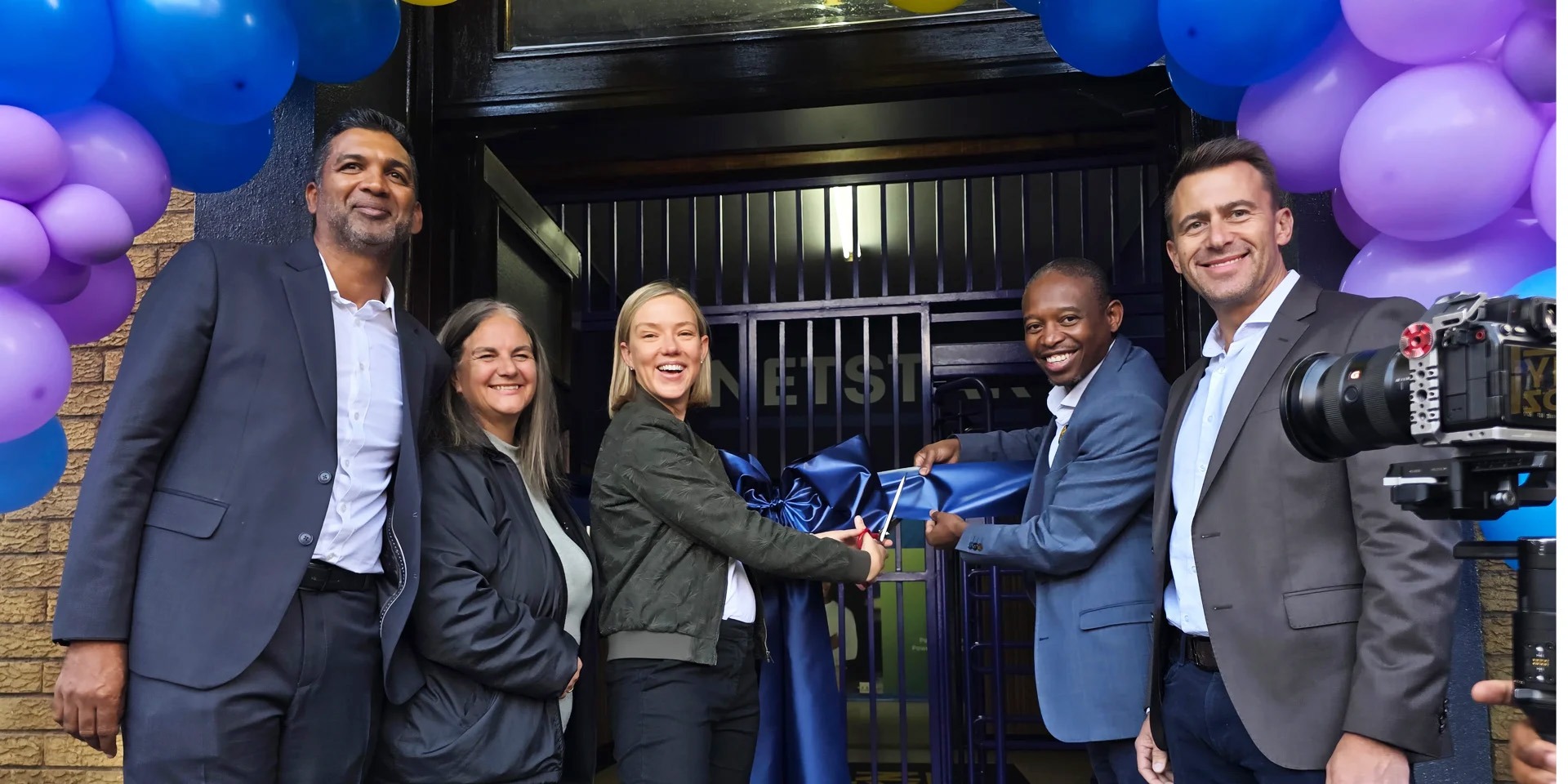
In commercial property developments, the Fleurhof mall in Johannesburg has officially opened its doors to the public. This new retail facility measures nearly 20,000 square metres, making it a substantial addition to the city's commercial infrastructure. The mall's opening marks a notable addition to the city's infrastructure, contributing to the expanding commercial footprint in the region and offering additional shopping and service options for residents in Fleurhof and surrounding communities. Such developments are key for local economies, creating jobs and providing convenient access to goods and services. The scale of the Fleurhof mall suggests a significant investment in the area's retail landscape, aiming to cater to a growing urban population.
Regarding global commodities, oil prices were recorded at $89.31 a barrel on Friday, 28 August, 2026. This figure provides a snapshot of the international energy market on that specific date, noting the ongoing volatility and sensitivity of crude oil prices to geopolitical events and global economic demand. The price reflects ongoing dynamics in global supply and demand, influenced by factors such as production levels from major oil-producing nations, industrial activity, and transportation needs worldwide. Fluctuations in oil prices have broad effects, impacting everything from fuel costs for consumers to the operational expenses of businesses across various sectors.