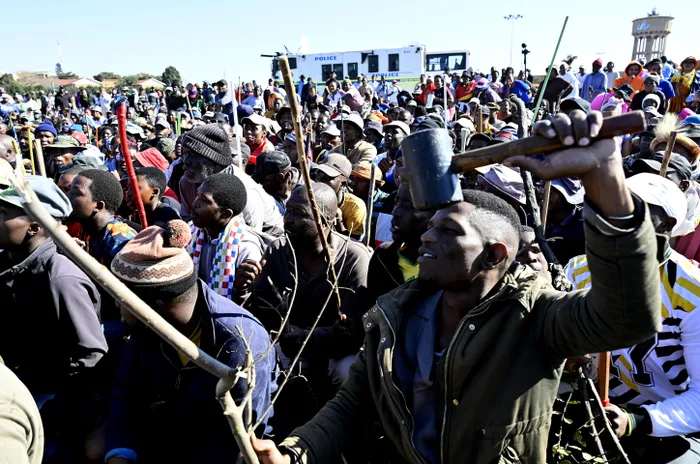
Undocumented migrants in South Africa face an unofficial June 30 deadline to depart the country. This critical date has been widely promoted by various anti-migrant groups across the nation. The impending deadline comes amidst a period of significantly heightened tensions, during which at least three people have been tragically killed. Two Mozambican nationals and one Malawian national were among those reported dead, showing the severe and escalating nature of the situation for foreign residents. This development has prompted profound concerns among immigrant communities, with many fearing increased hostility, violence, and uncertainty as the deadline rapidly approaches. The atmosphere of apprehension has led to widespread calls for protection and intervention from both local and international bodies.
Escalating Fear and Violence
The unofficial June 30 deadline, which is vigorously promoted by various anti-migrant groups, follows weeks of sustained protests, intimidation, and violence specifically targeting foreign nationals. These actions have created a climate of fear, forcing many to consider or undertake urgent repatriation. The widespread threats have had a tangible impact on individuals, compelling many to make difficult decisions about their future in South Africa. One documented migrant, for instance, decided to leave South Africa after receiving repeated threats from neighbors. He explicitly stated that these neighbors warned they would kill migrants once the deadline arrived. "That's why today I decided to join our brothers and go home," the migrant recounted, noting the direct link between the threats and his decision to depart. Another migrant was similarly compelled to depart under duress, facing the agonizing choice of leaving his children behind with his Zulu wife, a testament to the severe pressures and difficult separations being endured by many families. The escalating tensions have led to a palpable increase in fear among immigrant communities across the country, with many individuals and families now living under constant threat of violence or displacement.
Repatriation Efforts Underway
The humanitarian impact of these developments is significant, with thousands of Malawians among those currently stranded in makeshift camps, desperately awaiting safe passage to their home country. These individuals find themselves in precarious conditions, relying on aid and the hope of organized transport to escape the escalating insecurity. Many migrants have already returned home, illustrating the widespread nature of the exodus. In response to the growing crisis, several African nations have initiated voluntary repatriation efforts for their citizens. Countries including Malawi, Zimbabwe, Mozambique, Ghana, Nigeria, Kenya, and the Democratic Republic of Congo have all organized these key initiatives, working to ensure the safe return of their nationals who feel increasingly unwelcome or unsafe in South Africa. These efforts show the regional impact of the situation and the collaborative approach being taken by various governments to protect their citizens abroad.
Official Response and Warnings
In light of the escalating violence and the unofficial deadline, South African authorities have publicly condemned the acts of violence and have pledged heightened security ahead of planned anti-migrant marches. This commitment comes as tensions continue to rise concerning foreign nationals residing within the country's borders. The government's response aims to reassure affected communities and to assert its authority in maintaining law and order. Authorities also issued a stern warning, stating unequivocally that anyone attempting to incite violence or take the law into their own hands will face immediate arrest and prosecution. This firm stance shows the government's intention to maintain order and uphold the rule of law amid the escalating concerns surrounding the unofficial June 30 deadline and the safety and security of immigrant communities across South Africa.