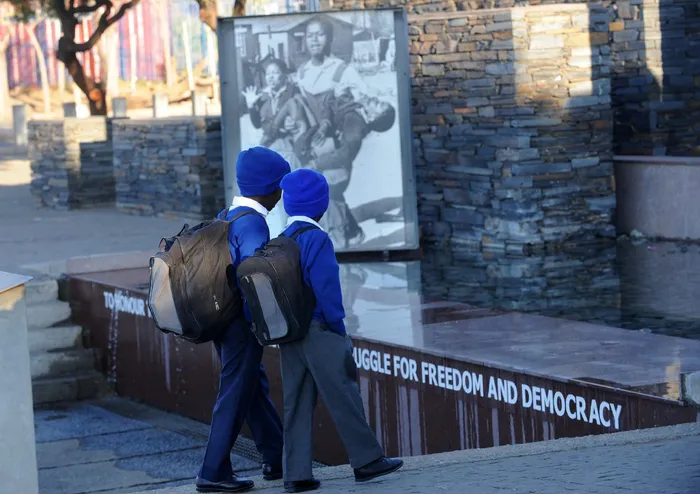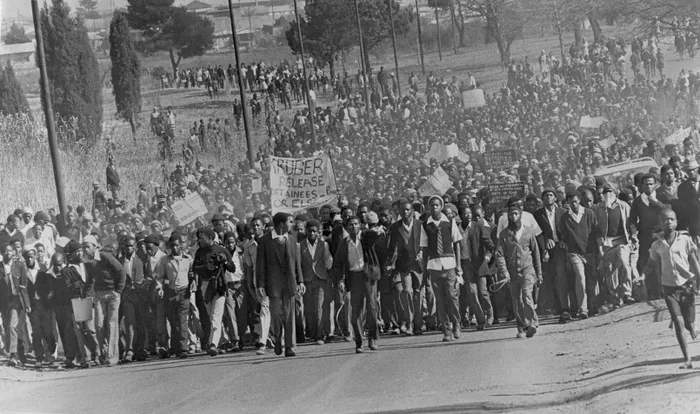
Soweto, South Africa, marks the 50th anniversary of the June 16, 1976 Soweto Uprising, an event where thousands of students protested against Bantu Education and the imposition of Afrikaans in their schools. On that fateful day, thousands of students in Soweto took to the streets in a powerful demonstration against the discriminatory Bantu Education system and the compulsory use of Afrikaans as a medium of instruction in their schools. A person born on that day in 1976 is now fifty years old, a poignant reminder of the passage of time since this key moment. The 1976 protest represented a fundamental struggle for freedom against an oppressive political order that sought to deny Black South Africans their humanity, dignity, and future. It was a courageous stand against systemic injustice, driven by the desire for a better education and a more equitable society. The unwavering courage of the 1976 youth not only altered the trajectory of South African history but also inspired a new and intensified phase of the anti-apartheid struggle, resonating with generations to come.
Progress and Persistent Disappointments
Generations since 1976 have witnessed the Democratic Breakthrough of 1994, marking South Africa's momentous transition from Apartheid to a democratic state. This democratic shift has undeniably delivered tangible improvements for many citizens across the nation. Notable advancements include expanded access to essential services such as electricity and clean drinking water, significantly improving living standards for countless households. The provision of decent housing has increased, addressing a critical need for many previously disenfranchised communities. Beyond these material gains, fundamental rights have become deeply entrenched in the country's legal framework, providing a constitutional guarantee for liberties that were once unimaginable. However, the democratic era has also been characterized by serious disappointments and setbacks. These include widespread corruption that has eroded public trust and instances of State Capture, where private interests have unduly influenced government decisions for personal gain. These issues present ongoing and formidable challenges to the progress and equitable society envisioned by the 1976 generation, threatening to undermine the very foundations of the democratic state they fought to establish.
The Modern Struggle for Economic Liberation
South Africa remains one of the most unequal societies in the world, a persistent challenge despite the democratic transition that promised a more equitable future. While political liberation was achieved with the end of apartheid, the subsequent transfer of economic power has proven far more difficult and remains an ongoing struggle. For many citizens, economic liberation is still a work in progress, with significant disparities in wealth and opportunity continuing to define the social landscape. The youth of 1976 faced overt political exclusion under the apartheid regime, denied basic rights and freedoms. In stark contrast, today's youth confront a different, yet equally debilitating, form of exclusion: economic exclusion. This shift notes a continuing struggle for opportunity, where the barriers are less about political rights and more about access to resources and livelihoods. Youth unemployment in South Africa remains alarmingly high, particularly among those between the ages of fifteen and twenty-four. This widespread issue shows the ongoing economic disparities and the immense challenges faced by young people seeking to enter the workforce and build a secure future. The lack of meaningful economic prospects for a large segment of the youth population represents a critical hurdle to national development and social cohesion.
The Legacy and Future Imperative
The unfinished business of June 16, 1976, is the creation of a society in which every young South African has access to quality education, meaningful employment, and economic opportunity. This objective represents a critical challenge for the nation decades after the Soweto Uprising, a challenge that demands urgent and sustained attention. The initial struggle for political freedom, so bravely fought by the students of 1976, has transitioned into a persistent effort to ensure that the youth, particularly those residing in historically disadvantaged areas like Soweto, can achieve economic stability and participate fully and meaningfully in the country's development. Ensuring equitable access to quality education and strong job prospects is seen as fundamental to realizing the full potential and aspirations envisioned by the student protesters of 1976. Their legacy demands that the current generation continues to strive for a South Africa where economic justice is as fundamental as political freedom.