Sixteen years after the 2010 FIFA World Cup, the tournament's impact on national unity in South Africa remains a point of reflection. The upcoming pursuit of qualification for the 2026 FIFA World Cup by the South African national team, Bafana Bafana, presents an opportunity to reignite a similar national movement. This period offers a valuable chance to revisit the lessons learned from one of the nation's most unifying events and consider how those principles can be applied to current challenges. The 2010 tournament was not merely a sporting spectacle; it was a profound demonstration of what a unified South Africa could achieve on the global stage, fostering a sense of collective purpose that resonated deeply across its diverse population.
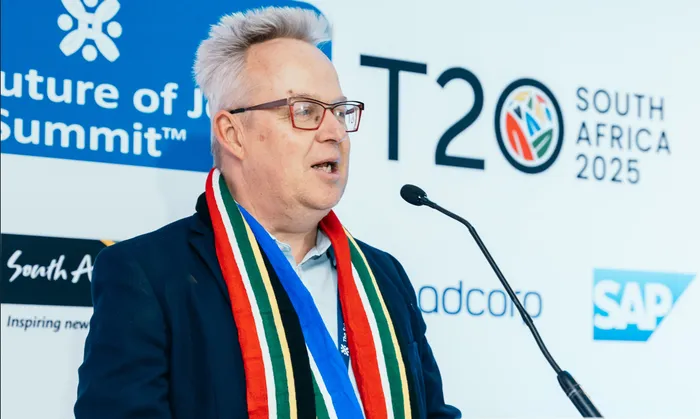
Dr. Nik Eberl emphasized this prospect, stating that the goal extends beyond mere support for a football team. "As Bafana Bafana pursues qualification for the 2026 FIFA World Cup, perhaps the greatest opportunity before us is not merely to support a football team. It is to recreate a national movement. A movement that encourages participation. A movement that celebrates excellence. A movement that reminds South Africans what becomes possible when we work together," Dr. Eberl said. This perspective notes the potential for sport to serve as a catalyst for broader societal engagement, transcending the boundaries of the playing field to inspire a renewed sense of national pride and collective action. The aspiration is to tap into the same spirit of collaboration and shared ambition that characterized the nation during the 2010 event, demonstrating that unity can be a powerful force for progress.
A Nation United by Sport
During the 2010 FIFA World Cup, South Africans appeared to set aside their differences and coalesce behind a common national purpose. This unity emerged despite international commentators predicting failure for the country's hosting of the tournament, citing concerns over security, transport, infrastructure, and organizational capacity. These predictions cast a shadow of doubt over the nation's ability to deliver an event of such magnitude, questioning its preparedness on multiple fronts. The skepticism from international observers served as a stark backdrop against which South Africa's eventual success would shine even brighter. The challenges were indeed significant, encompassing complex logistical demands and the need to ensure the safety and smooth movement of millions of visitors and participants.
To counter these doubts and prepare for the event, government departments collaborated extensively, working across traditional silos to coordinate efforts in security, immigration, health, and urban development. Businesses made significant investments in upgrading facilities, improving services, and creating new opportunities, demonstrating a strong commitment from the private sector. Communities mobilized actively, with local residents playing a key role in welcoming visitors and contributing to the festive atmosphere. Numerous volunteers stepped forward to contribute their time and energy, embodying the spirit of ubuntu and becoming the face of South African hospitality for many international guests. This widespread engagement, from governmental bodies to individual citizens, was instrumental in transforming the initial apprehension into a resounding success story.
A key initiative, the Bafana Fan Club, invited citizens to formally pledge their allegiance to the national team. This campaign successfully drew pledges from more than one million South Africans, demonstrating widespread public engagement and a tangible expression of national support for Bafana Bafana. This initiative tapped into the deep-seated passion for football that exists within the country, providing an official avenue for citizens to express their solidarity and pride. The sheer volume of pledges showed the collective desire to rally behind the national team and, by extension, behind the nation's hosting efforts.
The Fan World Cup initiative further engaged the public by bringing fan teams from participating nations to South Africa, fostering international camaraderie and providing a unique cultural exchange. This allowed South Africans to interact directly with fans from around the world, breaking down barriers and building bridges through the universal language of sport. Additionally, the Welcome Your Visitor campaign and the South African Brand Ambassador Programme were implemented to encourage citizens to warmly greet international visitors and share their culture. These programmes aimed to cultivate a welcoming environment, ensuring that every visitor felt appreciated and experienced the warmth of South African hospitality. These efforts contributed to South Africa achieving a visitor Net Promoter Score of 92% during the tournament, a remarkable indicator of visitor satisfaction and a testament to the collective effort of the nation. The successful delivery of the 2010 World Cup was ultimately attributed to the participation of millions of South Africans, transforming the event into a source of national pride and a powerful symbol of what could be achieved through unity.
Beyond Physical Infrastructure
The 2010 FIFA World Cup's most significant legacy was the belief it fostered, rather than the physical infrastructure like stadiums, according to reports. While the construction of world-class stadiums and upgrades to transport networks were tangible achievements, their impact pales in comparison to the intangible legacy of renewed national confidence and self-belief. The successful hosting of such a monumental event demonstrated to South Africans and the world that the nation was capable of overcoming immense challenges and delivering on its promises. This newfound belief extended beyond the realm of sport, instilling a sense of optimism about the country's future potential.
Sport plays a vital role in creating common ground and social cohesion, uniting people behind a shared outcome. The collective experience of cheering for a national team, or collectively hosting a global event, transcends socioeconomic divides and fosters a powerful sense of belonging. It provides a platform where differences can be momentarily set aside in pursuit of a common goal, reinforcing the idea that despite varied backgrounds, individuals are part of a larger national fabric. This inherent ability of sport to unite is a powerful tool for nation-building, offering a common narrative and shared aspirations. The hosting of the 2010 FIFA World Cup was also integrated into a broader tourism strategy, aiming to leverage the global event for long-term benefits beyond the tournament itself. This strategic approach sought to position South Africa as a premier tourist destination, capitalizing on the immense global exposure provided by the World Cup to attract future visitors and investment. The intention was to convert the short-term excitement of the tournament into sustainable growth for the tourism sector, ensuring that the legacy extended far beyond the final whistle.
Recreating Collective Ambition
The true legacy of the 2010 FIFA World Cup was the social infrastructure it built, fostering trust, national pride, confidence, and belief among South Africans. This "social infrastructure" refers not to concrete and steel, but to the intangible bonds and shared understanding that emerged from a collective national endeavor. It was about rebuilding faith in national institutions, fostering a sense of shared destiny, and instilling a belief in the collective capacity of the South African people. The experience demonstrated that when a nation works together towards a common, inspiring goal, it can achieve remarkable feats, thereby strengthening the social fabric itself.
South Africa currently faces significant challenges, including sluggish economic growth, high youth unemployment rates, and weakened public confidence in its institutions. These contemporary issues present a stark contrast to the optimism and unity that characterized the 2010 period. The economic landscape is challenging, with growth struggling to keep pace with the needs of a rapidly expanding population. The widespread issue of youth unemployment not only impacts individual livelihoods but also has broader societal implications, potentially leading to disaffection and a loss of hope among a critical demographic. A decline in public trust in governmental and other key institutions hinders collective action and makes it more difficult to address these pressing problems effectively.
Observers note that successful nations often possess the strongest sense of shared identity and collective ambition, underpinned by a belief in their capacity to achieve success. This shared identity provides a foundation for collective action, enabling citizens to work together towards common goals even in the face of adversity. A strong sense of collective ambition fuels innovation, resilience, and a willingness to invest in the future. The belief in a nation's capacity to succeed, cultivated through shared experiences of triumph and collaboration, is a powerful driver of progress. The 2010 FIFA World Cup offered a glimpse into what such a collective ambition could achieve for South Africa, providing a blueprint for how sport can once again serve as a unifying force to address the nation's current challenges and reignite its spirit of collective endeavor. The pursuit of qualification for the 2026 FIFA World Cup is therefore more than just a sporting objective; it is an opportunity to rekindle that vital sense of national purpose and remind South Africans of their inherent strength when united.