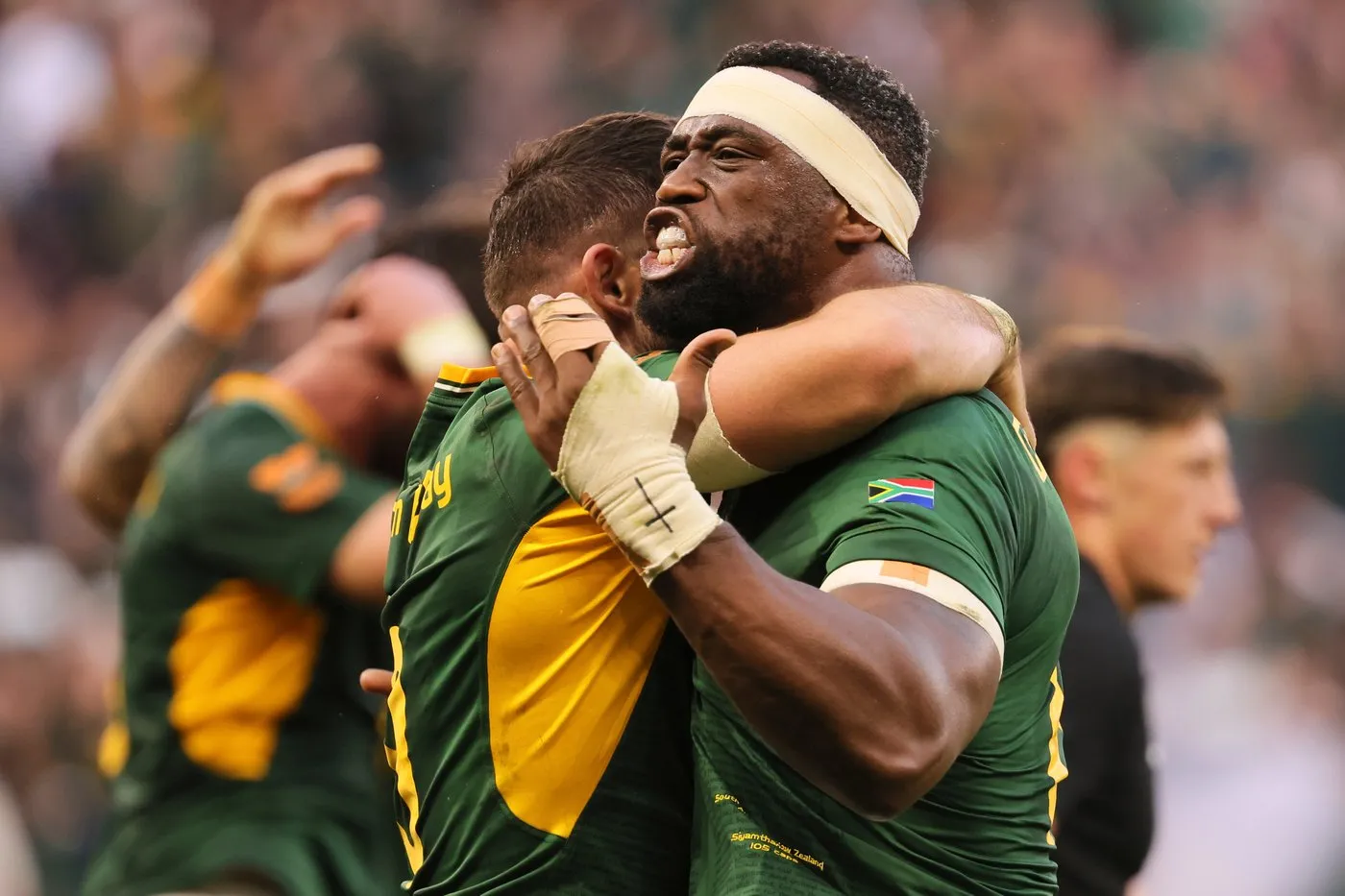
South Africa defeated New Zealand 33-26 in a gripping rugby match on Saturday, August 29, 2026, held in Cape Town. The hard-fought victory means the four-test series between the two rugby powerhouses is now level at 1-1, setting the stage for an intense conclusion. The Springboks secured the key win at Cape Town Stadium, a result that dramatically brings them back into contention after an earlier loss in the series. This outcome not only halted the All Blacks' impressive undefeated streak but also introduced a new dynamic into the highly anticipated series. The decisive performance by South Africa ensures a thrilling continuation for both teams in the remaining fixtures, with the balance of power now shifted.
First Half Dominance and Kolbe's Boot
South Africa established a commanding presence early in the match, scoring all three of their tries during the first half and building a significant lead. By halftime, the Springboks led the All Blacks 24-14, a scoreline that clearly demonstrated their early control and strategic execution of the game plan. This dominant first-half display laid the foundation for their eventual victory, putting immense pressure on the New Zealand side from the outset.
Goalkicker Cheslin Kolbe played a particularly key role in the Springboks' scoring efforts, showcasing his exceptional accuracy under pressure. Kolbe successfully converted all three of the team's tries and added four penalties, contributing significantly to their points tally. His precise kicking was a constant source of points for South Africa, keeping the scoreboard ticking over and maintaining their advantage. Kolbe maintained a perfect record throughout the series, having made all 11 of his shots at the posts, a testament to his reliability and skill. This consistent performance from the boot proved vital in a tightly contested match.
The first of South Africa's tries was scored by centre Jesse Kriel, who sliced through the New Zealand defense to contribute to the team's initial momentum and ignite the home crowd. His early score set a positive tone for the Springboks. Damian de Allende then added the second try for the Springboks, further extending their lead with a powerful run and finish. Captain Siya Kolisi scored the third try, capping off a superb first-half performance and further solidifying the team's advantage heading into the break. Kolisi, reflecting on the team's renewed intensity and focus, stated after the match, "This week we did, and we also brought the fire," noting the team's collective effort and determination. The Springboks' ability to convert opportunities into tries in the first half was a key factor in their success.
All Blacks Fight Back Amidst Defensive Efforts
Despite South Africa's first-half dominance, New Zealand mounted a determined comeback, scoring four tries during the match as they attempted to close the deficit against the Springboks. Their persistent efforts were, however, met with strong and resolute defensive play from South Africa, notably spearheaded by the veteran lock Eben Etzebeth. Etzebeth's defensive prowess was particularly evident as he disrupted New Zealand's attacking lineouts on three key occasions, effectively thwarting their set-piece strategies. He executed one key steal, turning over possession at a critical moment and hindering the All Blacks' offensive momentum, showcasing his invaluable experience and tactical awareness.
The New Zealand tries were secured by four different players, demonstrating the breadth of their attacking talent across the squad. Cam Roigard contributed the first, providing an early spark for the All Blacks. He was followed by Damian McKenzie, whose pace and agility brought the team closer to the Springboks' line. Leroy Carter then added another try, keeping New Zealand's hopes alive with a well-executed score. Finally, Ardie Savea scored the fourth try for the All Blacks, a testament to their never-say-die attitude and relentless pursuit of points. Despite these impressive scores and the individual brilliance displayed, the Springboks maintained their lead through a combination of strategic substitutions and unwavering defensive resilience, refusing to buckle under the pressure. The All Blacks' efforts were commendable, but they ultimately could not overcome the Springboks' early lead and defensive fortitude.
South Africa introduced fresh players into their front row during the game, a tactical move designed to maintain their physical advantage and energy levels. Malcolm Marx and Ox Nché were substituted into the forward pack, providing renewed energy and strength in the scrums and breakdowns, areas where dominance is often key in Test rugby. These changes aimed to solidify South Africa's defensive line, maintain pressure on the All Blacks, and ensure the team could withstand the late surge from New Zealand. In the final moments of the game, with New Zealand pushing desperately for a potential winning score and threatening to snatch victory, Cameron Hanekom of South Africa successfully overturned Will Jordan during the All Blacks' last attack. This key defensive play effectively ended their comeback attempt and secured the victory for the Springboks, showing the importance of every tackle and breakdown in such a high-stakes encounter.
Series Context and Future Implications
The match in Cape Town marked a significant turning point in the rugby calendar, as it was New Zealand's first defeat of the year 2026. Prior to this game, the All Blacks had maintained an impressive undefeated record, having won four tests against international opposition and an additional four matches against South African franchises. The loss not only ends their perfect streak but also introduces a new and compelling dynamic into the ongoing series, proving that even the most dominant teams can be challenged. This result will undoubtedly fuel both teams as they prepare for the remainder of the series.
During the intense match, South Africa's lock Lood de Jager received a yellow card, temporarily reducing his team to 14 players. This period of numerical disadvantage tested the Springboks' defensive organisation and resolve, but they managed to weather the storm without conceding further significant points. In another notable moment, hooker Deon Fourie also made history by becoming the oldest Springbok test player when he took to the field. His appearance added valuable experience and composure to the South African side in a key fixture, demonstrating the depth and enduring talent within the squad. Fourie's inclusion was a strategic choice, providing leadership and stability during a critical phase of the game.
With the four-test series now level at 1-1, both teams will prepare for the decisive third test with everything to play for. That highly anticipated match is scheduled to take place next Saturday in Johannesburg, at the iconic Soccer City stadium. The venue, known for its electrifying atmosphere, will undoubtedly host a fierce encounter as both nations vie for supremacy in this enthralling series. The outcome of the Cape Town match has intensified the rivalry, promising a gripping contest as the Springboks and All Blacks continue their battle for bragging rights and series victory. The stage is set for a monumental clash that could define the trajectory of the series.