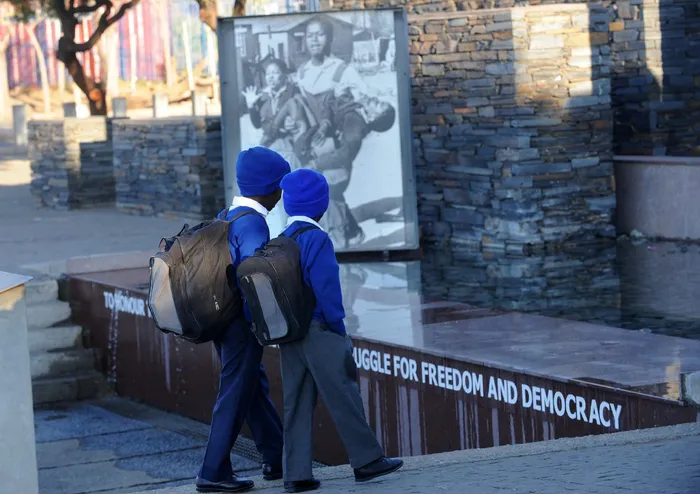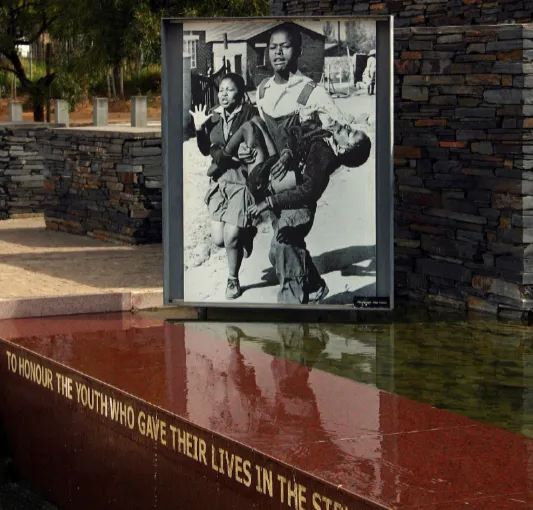
The Soweto uprising, a series of demonstrations and protests led by black schoolchildren against apartheid, began on the morning of June 16, 1976. This key event, also referred to as the Soweto riots or the Soweto rebellion, unfolded in Soweto, South Africa, marking a significant and tragic moment in the country's history. The uprising was a direct challenge to the oppressive policies of the apartheid regime, which enforced racial segregation and discrimination across all aspects of life.
The Spark of Resistance
The protests were primarily a response to the introduction of Afrikaans as a medium of instruction in schools. This highly contentious policy mandated that certain subjects, including mathematics and social studies, be taught in Afrikaans, a language widely associated with the apartheid government and seen by many as a symbol of their subjugation. Black students viewed this imposition as an attempt to further entrench racial inequality and undermine their education. The students of Soweto organized a mass demonstration to voice their opposition to this decree.
On that fateful morning of June 16, 1976, thousands of students marched peacefully, carrying placards and singing freedom songs, intending to present their grievances to government officials. However, their peaceful demonstration was met with an immediate and brutal response from state forces. Hastings Ndlovu and Hector Petersen were tragically among the first two students known to be shot and killed during the demonstrations at the Orlando West High School. Their deaths marked a critical turning point, escalating the confrontation between the student protestors and the armed state forces. The initial student actions against the language policy quickly transformed into a broader challenge against the entire apartheid regime, igniting a nationwide movement for justice and equality.
Brutal Response and Wider Impact
The police responded to the protests with extreme force, employing tear gas, batons, and live ammunition as crowd control measures against the unarmed students. The violence was swift and devastating. By the end of the day on June 16, 1976, a staggering 176 students were brutally killed in Soweto, their lives cut short in the pursuit of fundamental rights. The images and reports of this brutal crackdown shocked the world and galvanized international condemnation against the apartheid government.
The brutal response to the initial demonstrations in Soweto sparked wider unrest across the country, as communities and students in other regions joined the call for an end to apartheid. The protests spread, leading to further clashes and casualties. The total number of deaths resulting from the countrywide protests, directly triggered by the Soweto uprising, reached 575 by the end of February 1977, showing the widespread resistance and the deadly repression employed by the state. These events noted the deep-seated grievances within the black community and the lengths to which the apartheid government would go to maintain its power.
Legacy of Freedom and Democracy
Five decades have passed since June 16, 1976, marking a significant period in South Africa's journey towards liberation. The Soweto uprising remains a key moment, with its commemoration held annually on June 16. This date is recognized not only for the immense sacrifices made by the students but also for its profound role in accelerating the struggle against apartheid. The enduring legacy of these events culminated in a new era for the nation, demonstrating the power of youth activism and collective resistance against oppression.
Democracy and freedom were formally established in South Africa on April 27, 1994. This momentous date signifies the country's transition from decades of apartheid rule to a non-racial democratic government, realizing the aspirations of many who participated in courageous protests like the Soweto uprising. The memory of June 16, 1976, continues to inform national identity and the ongoing pursuit of justice, serving as a powerful reminder of the cost of freedom and the importance of vigilance against injustice.