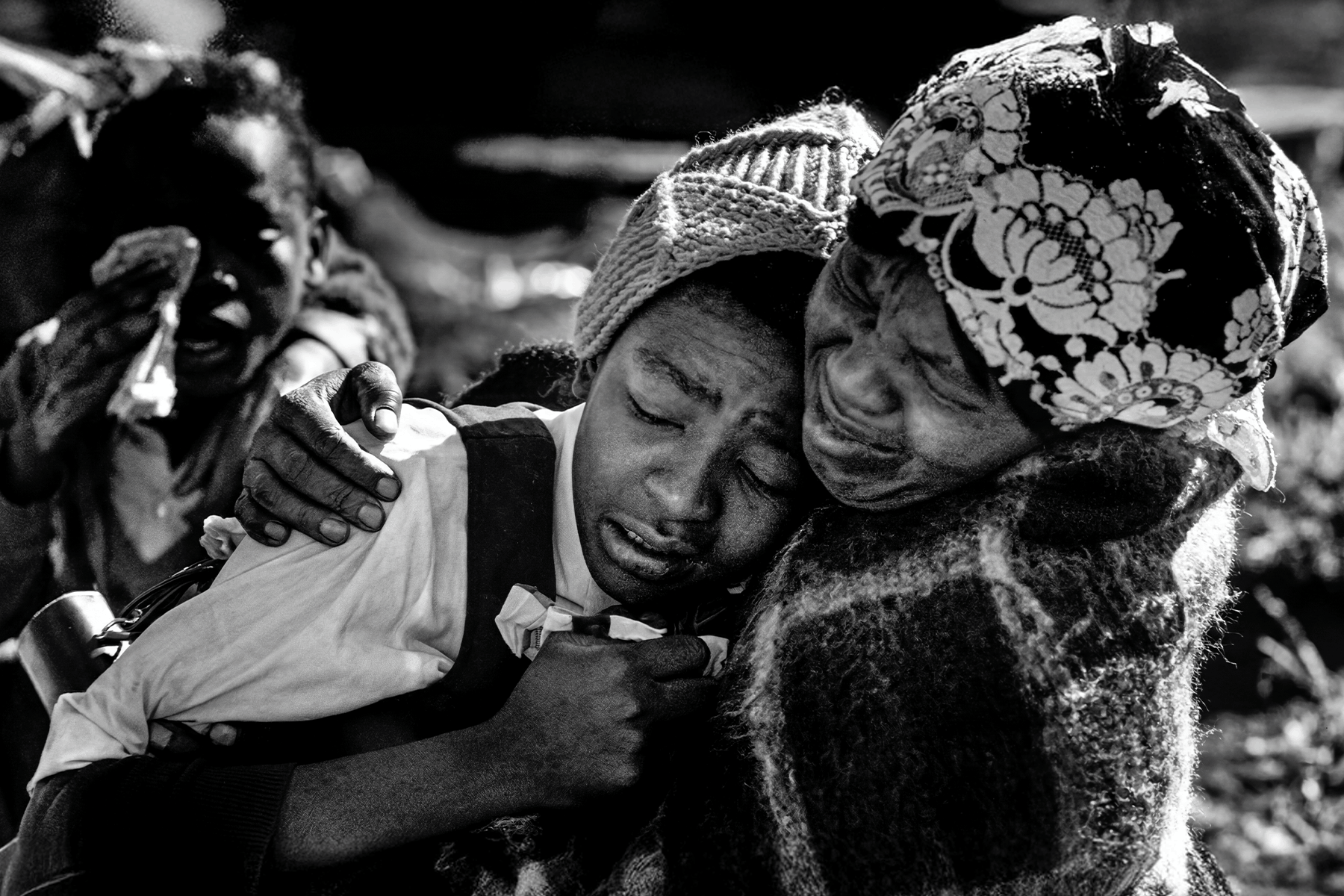
Fifty years after the youth of 1976 demonstrated, their actions continue to serve as a powerful reminder of young people's capacity to demand dignity, access, and change. Indeed, fifty years after the youth of 1976 took to the streets in protest, their legacy remains one of the clearest reminders of the power young people hold when they demand dignity, access, and change. The legacy of those protests shows the profound impact of youth-led movements in South Africa, shaping the national narrative and driving societal transformation. These historical events continue to inspire new generations to confront contemporary challenges with similar determination and resolve. The courage displayed by the youth of 1976 laid a foundational blueprint for future activism, demonstrating that collective action can indeed alter the course of a nation.
The Unfinished Revolution
The legacy of 1976 continues to resonate in South Africa, not solely as a historical memory but through the ongoing efforts of young South Africans. The legacy of 1976 is still alive, not only in memory, but in the work of young South Africans who continue to push the country forward. These individuals are actively working to advance the nation, dedicating their energies to various sectors, from social justice to economic development. Their contributions reflect a sustained commitment to progress, building upon the foundations laid by previous generations and striving for a more equitable and prosperous future. This ongoing commitment ensures that the spirit of 1976 remains a dynamic force in South African society, adapting to new contexts while upholding its core principles.
Progress and Persistent Gaps
South Africa has achieved significant progress since 1976, marking a notable shift from the conditions prevalent during the Soweto Uprising. South Africa has made important progress since 1976, transforming many aspects of daily life for its citizens. Today, a greater number of young people benefit from enhanced access to education, information, and technology, resources that were largely unavailable to the generation of 1976. More young people today have access to education, information, technology, and public platforms than the generation of 1976 could have imagined, reflecting a dramatic evolution in societal infrastructure and opportunities. Young South Africans also have increased opportunities to utilize public platforms, allowing for broader engagement and expression than previously imaginable, fostering a more inclusive national dialogue. These advancements reflect a changed landscape, providing contemporary youth with tools and opportunities their predecessors lacked, enabling them to participate more fully in the democratic process and global community. The expansion of these resources represents a tangible outcome of the struggles of the past, opening doors that were once firmly shut.
Continuing the Legacy
Despite progress, persistent challenges continue to affect South Africa's youth. Youth unemployment remains high, and inequality continues to shape life chances for many. Too many young people still face barriers to quality education, meaningful work, and sustainable opportunity, hindering their potential and perpetuating cycles of disadvantage. A significant number of young people still face barriers to quality education, meaningful work, and sustainable opportunity, showing the deep-seated structural issues that persist. These issues highlight ongoing disparities within the country, indicating that while much has been achieved, the vision of a truly equitable society remains an ongoing pursuit. The fight for access and dignity, championed in 1976, continues today, albeit in different forms, as young South Africans navigate complex socio-economic realities. Their efforts to overcome these barriers are a testament to the enduring legacy of resilience and activism.