Xenophobic violence in South Africa, particularly targeting foreign nationals, has been noted by various reports and commentary, with documented killings ranging from 20 to 50 deaths annually nationwide. This alarming pattern shows a widespread issue within the nation. FESTUS Adedayo's article, “Why South Africans Murder Nigerians in Cold Blood,” published in the Sunday Tribune on May 3, 2026, provided a stark account of this violence. Adedayo's report detailed specific tragedies, including two Nigerians killed in April 2026. This incident contributed to a devastating total of 116 deaths over a two-year period, with 62 fatalities recorded in 2008 alone, illustrating the persistent and deadly nature of these attacks.
The South African Human Rights Commission’s 2025 report identified specific urban hotspots where most xenophobic violence concentrates. These areas include certain informal settlements located around Johannesburg, Durban, and Cape Town. The report indicates that these locations are key sites for such incidents, pointing to a geographically focused pattern of violence that demands targeted intervention. The concentration of these incidents in densely populated, often economically marginalized, informal settlements suggests a complex interplay of social and economic factors contributing to the unrest.
Roots of Resentment
South Africa’s sustained high unemployment rate, currently around 33%, contributes to widespread economic frustration across the population. This figure is particularly dire for young Black South Africans, for whom the unemployment rate rises to over 45%. This demographic, often facing limited opportunities and systemic barriers, experiences profound economic hardship. The post-apartheid governments, led by the African National Congress (ANC) for three decades, have been associated with systemic corruption, a failed industrial policy, and a persistent jobs crisis. These failures have created a fertile ground for social discontent and scapegoating.
The ANC’s corruption during the Zuma era, specifically its protection of the Gupta family’s state capture network, combined with an inability to deliver basic services, has been cited as a significant factor in misdirected desperation towards immigrants. This systemic corruption has eroded public trust and diverted resources that could have been used to address the nation's pressing socio-economic challenges. The country's electricity grid collapse, leading to chronic load shedding, has had devastating consequences, destroying small businesses, affecting both native-owned and immigrant-owned enterprises. This energy crisis further exacerbates economic woes, making it difficult for entrepreneurs to thrive and for the economy to grow. Further exacerbating economic woes, the state logistics company Transnet has experienced catastrophic failures, rendering South Africa's ports less efficient than those in Mozambique, hindering trade and economic competitiveness. These infrastructure failures collectively undermine South Africa's economic potential and contribute to the widespread frustration felt by its citizens.
Continental Context and Statistics
FESTUS Adedayo reported that two Nigerians were killed in April 2026, contributing to a total of 116 deaths over a two-year period, with 62 fatalities recorded in 2008 alone. These figures highlight the severe human cost of xenophobia. The United Nations (UN) estimated that approximately 2.2 million African immigrants resided in South Africa as of 2025, making it a significant destination for regional migration. Among these, Nigeria’s community in South Africa is estimated to be over 300,000 individuals, representing one of the largest immigrant groups. The presence of such a substantial immigrant population, combined with domestic economic pressures, creates a complex social dynamic.
Across the continent, economic challenges persist in several nations, driving migration flows. Nigeria, which is Africa's largest economy, faces a youth unemployment rate exceeding 40%, compelling many young people to seek opportunities elsewhere. Similarly, the Democratic Republic of Congo (DRC) holds trillions of dollars in mineral reserves but ranks near the bottom of every human development index, indicating significant disparities between natural wealth and human welfare. This stark contrast between resource abundance and human poverty often forces its citizens to look beyond their borders for a better life.
The Nigerian government has been criticized for its spending priorities, with claims that it allocates substantially more funds to luxury cars than to assistance for its diaspora. This perceived neglect from their home government can leave Nigerian immigrants feeling unsupported, even as they face challenges abroad. These economic and governance issues in origin countries contribute significantly to migration patterns across Africa, with South Africa often serving as a destination due to its relatively stronger economy, despite its internal struggles. The challenges faced by immigrants in South Africa are thus set against a backdrop of complex economic realities both domestically and in their home countries, creating a push-and-pull dynamic for migration. The high numbers of African immigrants in South Africa reflect regional migration trends driven by these prevailing conditions, making the issue of xenophobia a regional rather than purely national concern.
Policy and Pan-Africanism
South Africa's position as the sole major economy in southern Africa has been identified as a contributing factor to migration pressures. This economic disparity creates an imbalance, drawing individuals from less prosperous neighboring nations. Intentional policies focused on developing industrial zones and technology hubs across Botswana, Namibia, Zambia, Tanzania, and Angola could help distribute these pressures more evenly across the region, fostering more balanced economic development and reducing the singular pull of South Africa. Additionally, the country's inadequate prosecution of xenophobic attacks is considered a significant failing, and indeed, a legitimate scandal. The lack of accountability for these violent acts perpetuates a cycle of impunity and undermines efforts to protect foreign nationals. This failure to uphold the rule of law sends a dangerous message, suggesting that such violence may not carry severe consequences.
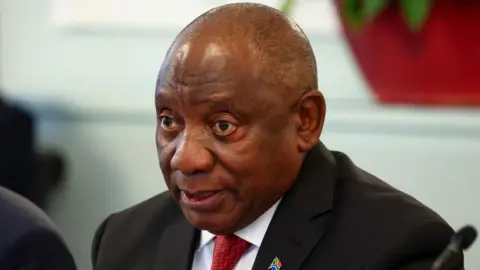
President Ramaphosa has consistently reiterated South Africa’s commitment to pan-Africanism, a philosophy advocating for the solidarity and political unity of all African peoples. This stance aligns with the African National Congress's (ANC) official policy, which expresses a welcoming approach towards African immigrants, recognizing the interconnectedness of the continent. However, the reality on the ground often diverges sharply from these stated policies and ideals, as evidenced by the ongoing xenophobic violence.
Moving Forward
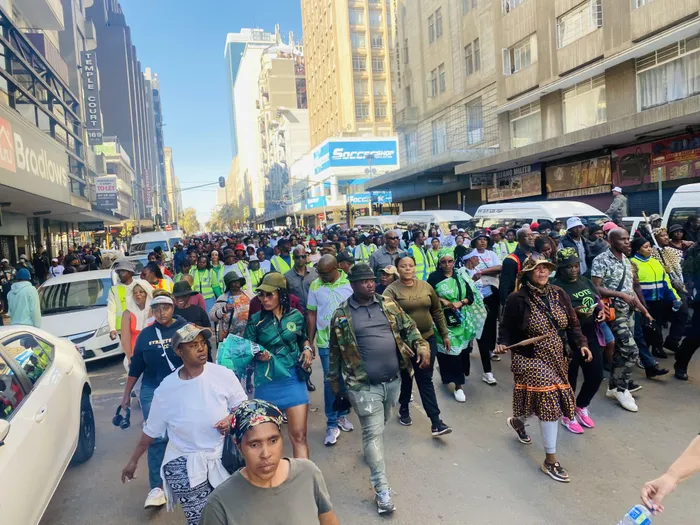
The uMkhonto weSizwe Party (MKP), led by Zuma, has explicitly embraced xenophobic nationalism in its political platform. This development is particularly concerning as it gives political legitimacy to anti-immigrant sentiments. This rise of xenophobic political rhetoric coincides with the emergence and growing influence of groups like Operation Dudula, whose name means “to be removed by force.” Operation Dudula emerged directly from political rhetoric that normalises the idea that foreigners have no right to be present in South Africa, actively organizing and campaigning for the expulsion of immigrants. This movement exemplifies the tangible impact of political narratives on social behavior and public sentiment. Simultaneously, the African Union (AU) adopted its Protocol on Free Movement in 2018. This protocol envisions a continent where an African can travel, work, and reside anywhere without visas, presenting a stark contrast to the prevailing xenophobic sentiments in South Africa. The AU protocol represents a pan-African ideal of integration and cooperation, directly challenging the exclusionary nationalism gaining traction within South Africa. The tension between these continental aspirations and domestic realities notes the profound challenges facing South Africa in addressing its xenophobia crisis.