Winter in South Africa, spanning June through August, presents a distinctive travel period for visitors. This three-month window, from early winter in June through the heart of the season in July and into August, offers a unique perspective on the country's diverse landscapes and experiences. The season is characterized by fewer crowds and generally lower accommodation rates across the country, making it an attractive option for those seeking a more tranquil and value-driven travel experience. This time of year offers specific opportunities for engaging with wildlife and participating in various outdoor experiences, from coastal adventures to mountain retreats and wildlife safaris. Overall, winter travel in South Africa provides variety, combining reduced tourist numbers, enhanced value, and access to unique seasonal activities that are not always available or as prominent during other times of the year. The cooler temperatures and often clear skies create an inviting atmosphere for exploration and discovery, setting the stage for memorable journeys across the nation.
Coastal Charms and Marine Spectacles
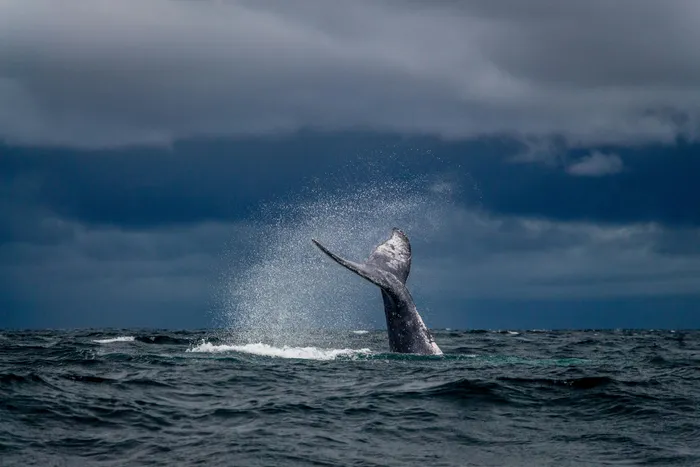
The KwaZulu-Natal South Coast ranks among South Africa’s warmest winter destinations, offering comfortable temperatures that can range into the low to mid-20s. This makes it an ideal escape for those looking to avoid colder conditions elsewhere in the country, maintaining a pleasant climate even during the cooler months. This coastal region is host to the annual Sardine Run during winter, a significant marine event that draws both predators and observers to its shores. The Sardine Run is a natural phenomenon where billions of sardines migrate up the east coast, creating a spectacular feeding frenzy for dolphins, sharks, and seabirds, offering a truly unique wildlife spectacle. Humpback whales are also frequently visible from the shore along the KwaZulu-Natal South Coast throughout the winter months, adding another layer of marine wonder to the region's appeal. These majestic creatures make their annual migration, providing ample opportunities for land-based viewing. Winter provides ideal conditions for diving and snorkelling at Aliwal Shoal, characterized by calm seas and excellent underwater visibility. The clear, settled waters during this season enhance the experience for divers exploring the vibrant coral reefs and diverse marine life of this renowned dive site.
Further along the coast, Hermanus has gained recognition as one of the world’s premier land-based whale-watching destinations. The town's reputation is well-earned, as it offers unparalleled opportunities to observe these magnificent marine mammals from its cliffs and dedicated viewing points. Southern Right Whales migrate to Walker Bay in Hermanus between June and November specifically to mate and calve. This extended period ensures consistent sightings, with mothers and their young often visible close to the shore, providing intimate encounters for visitors. The presence of these whales transforms the coastal landscape into a dynamic natural theatre, drawing enthusiasts from around the globe. Additionally, winter marks the beginning of whale season along the Tsitsikamma coast, where Southern Right Whales are often spotted offshore. This extends the prime whale-watching opportunities further along the iconic Garden Route, allowing travellers to combine scenic drives with breathtaking marine wildlife encounters.
Wilderness and Wildlife Encounters
UMkhuze Game Reserve in northern KwaZulu-Natal offers exceptional wildlife viewing during the winter safari season, according to tourism reports. The dry winter months significantly alter the landscape, making wildlife easier to spot. Animals in uMkhuze Game Reserve gather around waterholes during the dry winter months, which makes sightings easier for visitors as they congregate at these vital resources. This natural behaviour provides excellent photographic opportunities and more reliable game viewing experiences. This concentration of animals around predictable water sources enhances the safari experience, providing more consistent and rewarding encounters with the reserve's inhabitants. Further inland, the Waterberg Biosphere Reserve is also identified as a top winter safari destination. This area is noted for its mild climate, malaria-free environment, and excellent game viewing opportunities, making it a particularly appealing choice for families and those seeking a comfortable safari experience without the concern of malaria. During winter, wildlife gathers around permanent water sources in the Waterberg Biosphere Reserve, contributing to more frequent Big Five sightings. The cooler, drier conditions thin out the vegetation, improving visibility and increasing the chances of spotting elusive predators and large herbivores alike, offering a full safari experience.
The Kruger National Park, a world-renowned safari destination, also benefits significantly from winter conditions. The dry season causes vegetation to thin out, drastically improving visibility for game viewing. Animals, including the Big Five, tend to congregate around the dwindling water sources, making them easier to locate for safari-goers. This period is often considered the prime time for safaris in Kruger, offering crisp, clear days and reduced humidity. The cooler mornings and evenings are perfect for game drives, while midday temperatures remain pleasant. The lack of rain also means fewer mosquitoes, adding to the comfort of a winter safari. The Northern Cape, with its vast and open landscapes, transforms during winter into a haven for birdwatching. Although known for its arid beauty, the winter months can bring specific bird species to the region, and the clear skies provide excellent conditions for spotting them. The cooler weather also makes exploring the expansive Karoo and Kalahari regions more comfortable, allowing for longer excursions into the unique wilderness.
Mountain Vistas and Countryside Retreats
The Champagne Valley in the Drakensberg is noted as a beautiful winter destination, offering dramatic mountain scenery that takes on a different character in the cooler months. Snow occasionally dusts the Drakensberg mountain peaks during the months of June and July, transforming the rugged landscape into a picturesque, alpine-like wonderland. This creates stunning photographic opportunities and a unique atmosphere for hiking and exploring the mountain trails. Magaliesburg offers a combination of outdoor adventure and countryside relaxation during the winter season. Its proximity to major urban centres makes it an accessible escape for those seeking a tranquil retreat or an active outdoor experience. The area is also noted for its local restaurants, breweries, and attractions such as the Cradle of Humankind and Maropeng, which are ideal for winter visits. These indoor and outdoor attractions provide a diverse range of activities, from exploring ancient history to enjoying culinary delights, all within a comfortable winter setting. The cooler weather is particularly conducive to exploring historical sites and enjoying hearty meals by a fireplace.
In the Breede River Valley, winter wine tasting provides cosy cellar experiences, hearty food pairings, and picturesque mountain scenery. The region's wine farms embrace the cooler season, offering intimate settings for visitors to savour local wines. Wine farms located in Robertson, Bonnievale, and Rawsonville within the Breede River Valley offer relaxed tastings beside fireplaces in winter. This creates a warm and inviting atmosphere, perfect for lingering over fine wines and enjoying the region's hospitality. A winter road trip along Mpumalanga’s Panorama Route presents crystal-clear views and optimal conditions for exploration. The cooler, drier air of winter significantly reduces atmospheric haze, allowing for unobstructed vistas of some of South Africa's most iconic natural wonders. Winter brings bright blue skies to the Panorama Route, enhancing the visibility of landmarks such as God’s Window, the Blyde River Canyon, and Bourke’s Luck Potholes. The vibrant blue backdrop against the dramatic geological formations makes for breathtaking scenery and unforgettable photo opportunities. Tsitsikamma, situated along the Garden Route, offers peaceful trails, dramatic coastal scenery, and mild winter weather. This combination makes it an excellent choice for those seeking outdoor activities without extreme temperatures, allowing for comfortable exploration of its indigenous forests and rugged coastline.
The Broader Appeal of Winter Travel
South Africa's winter season extends beyond specific regional attractions, offering a broader appeal for travelers seeking a different experience. The cooler months generally bring crisp, clear weather across many parts of the country, which can enhance outdoor activities. This often translates to bright, sunny days that are perfect for exploring, hiking, and enjoying various outdoor pursuits without the oppressive heat of summer. Conditions often prove favorable for photography, with reduced atmospheric haze providing sharper views of landscapes and wildlife. The quality of light during winter also tends to be softer, enhancing the visual appeal of natural scenes. Many destinations, including those near Johannesburg and Pretoria, become more accessible and enjoyable without the intense heat of summer. Urban exploration, cultural tours, and outdoor markets in these areas are often more pleasant in the cooler, drier climate. Winter also presents an opportunity for quieter visits to popular cultural and historical sites, as tourist numbers typically decline. This allows for a more immersive and reflective experience at places like Robben Island, the Apartheid Museum, or the historical sites of the Cape Winelands. This period allows for a more relaxed pace of exploration, from urban centers to remote wilderness areas, enabling travellers to delve deeper into the local culture and natural beauty. The overall atmosphere can be more intimate, providing a distinct perspective on South Africa's diverse offerings during its cooler, drier season. From the bustling cities to the serene landscapes, winter offers a unique charm and a chance to experience the country with a different rhythm and a fresh perspective.