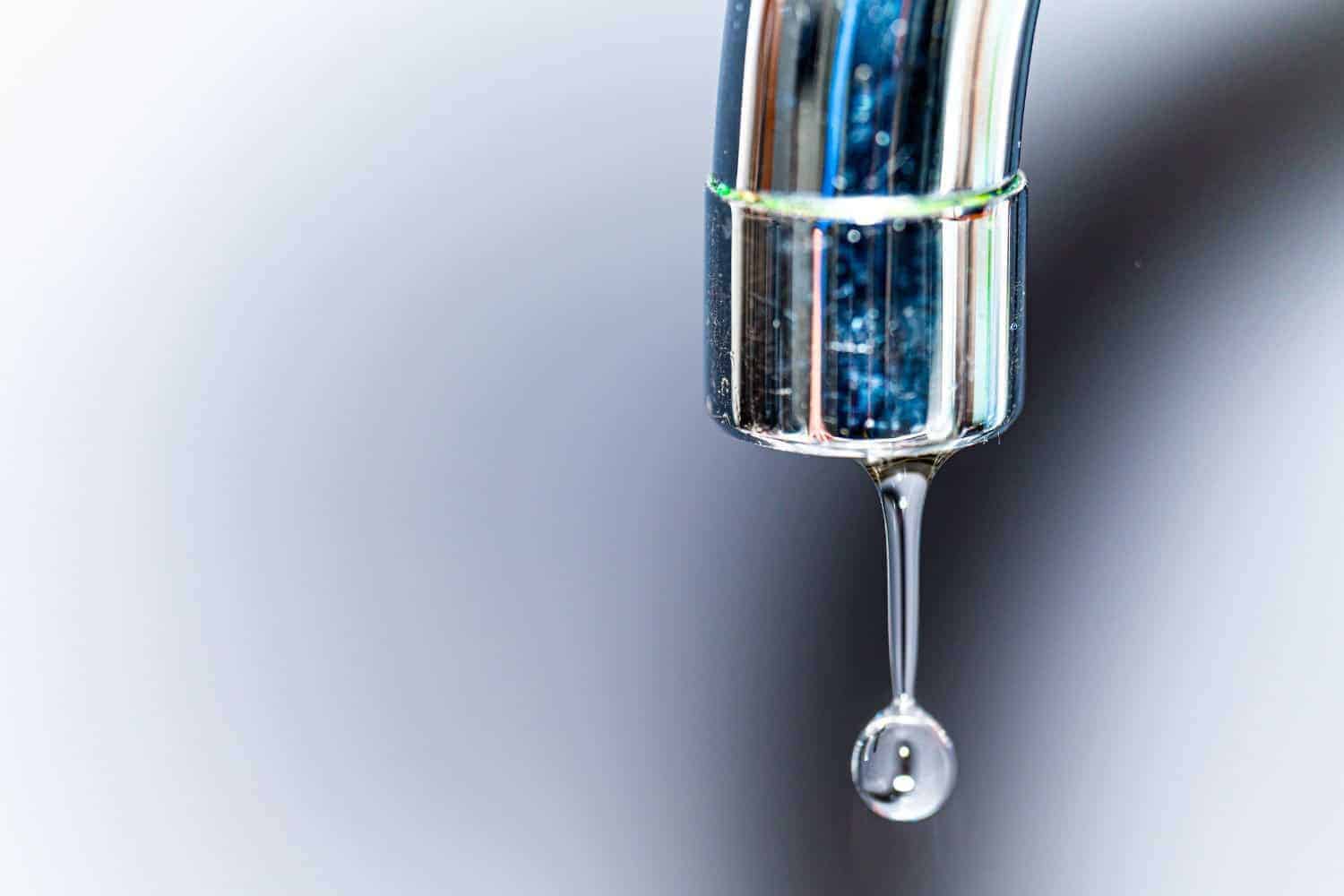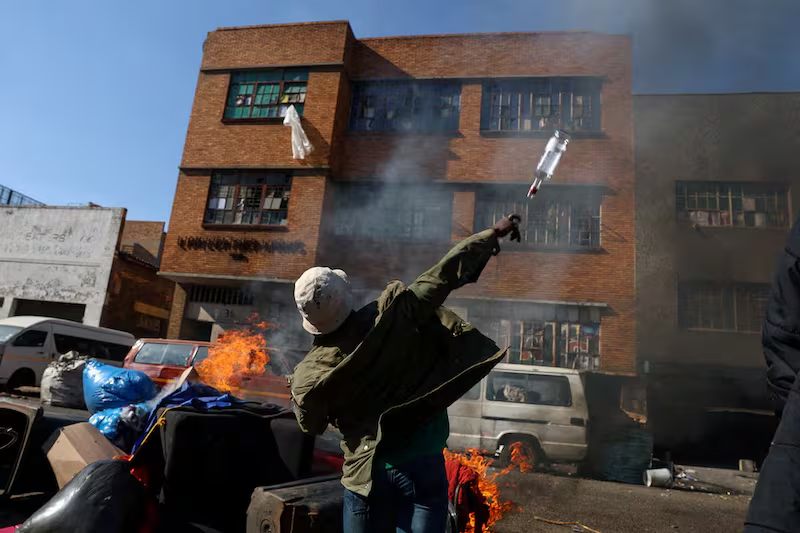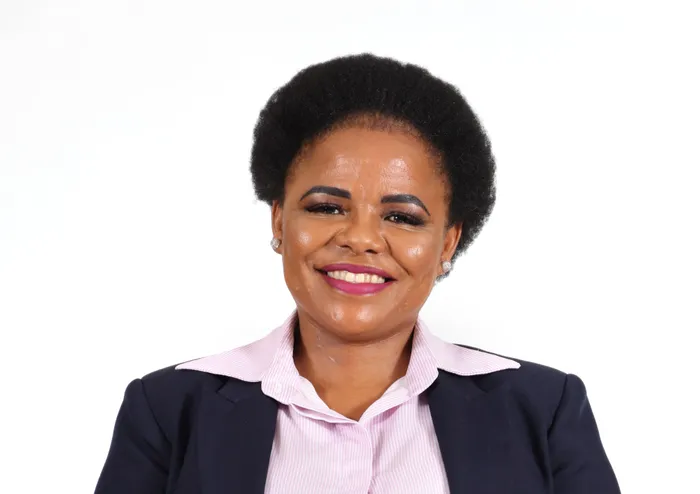
South Africa experiences a significant loss of its treated water, with approximately 37 percent disappearing through various systemic failures. This substantial loss, amounting to more than a third of the country's treated water supply, is attributed to issues such as leaks, burst pipes, acts of vandalism, and illegal connections across the country's water infrastructure. The Water Research Commission (WRC) has noted these widespread inefficiencies as a major contributor to water scarcity challenges, exacerbating the difficulties faced by communities nationwide. Dr. Jennifer Molwantwa, a prominent figure in water management, has previously emphasized the urgency of addressing these infrastructure deficiencies, noting the critical impact on both resource availability and public health. The continuous loss of such a vital resource shows the pressing need for full and sustained interventions.
Widespread Infrastructure Deficits
South Africa's water infrastructure faces a substantial financial deficit, with 105 municipalities collectively needing approximately R400 billion to address existing backlogs. This staggering figure notes the significant investment required to bring the country's water systems up to standard and ensure reliable service delivery. The scale of the challenge is further showed by recent spending patterns. Nearly R100 billion has been invested in water infrastructure over the last five years, demonstrating a commitment to improvement. However, these repair and upgrade efforts have been insufficient to keep pace with the nation's growing demands for water services, leaving many areas vulnerable. The persistent gap between investment and need contributes to widespread infrastructure deficits across numerous municipalities, leading to a deteriorating state of water provision.
Communities Facing Daily Hardship
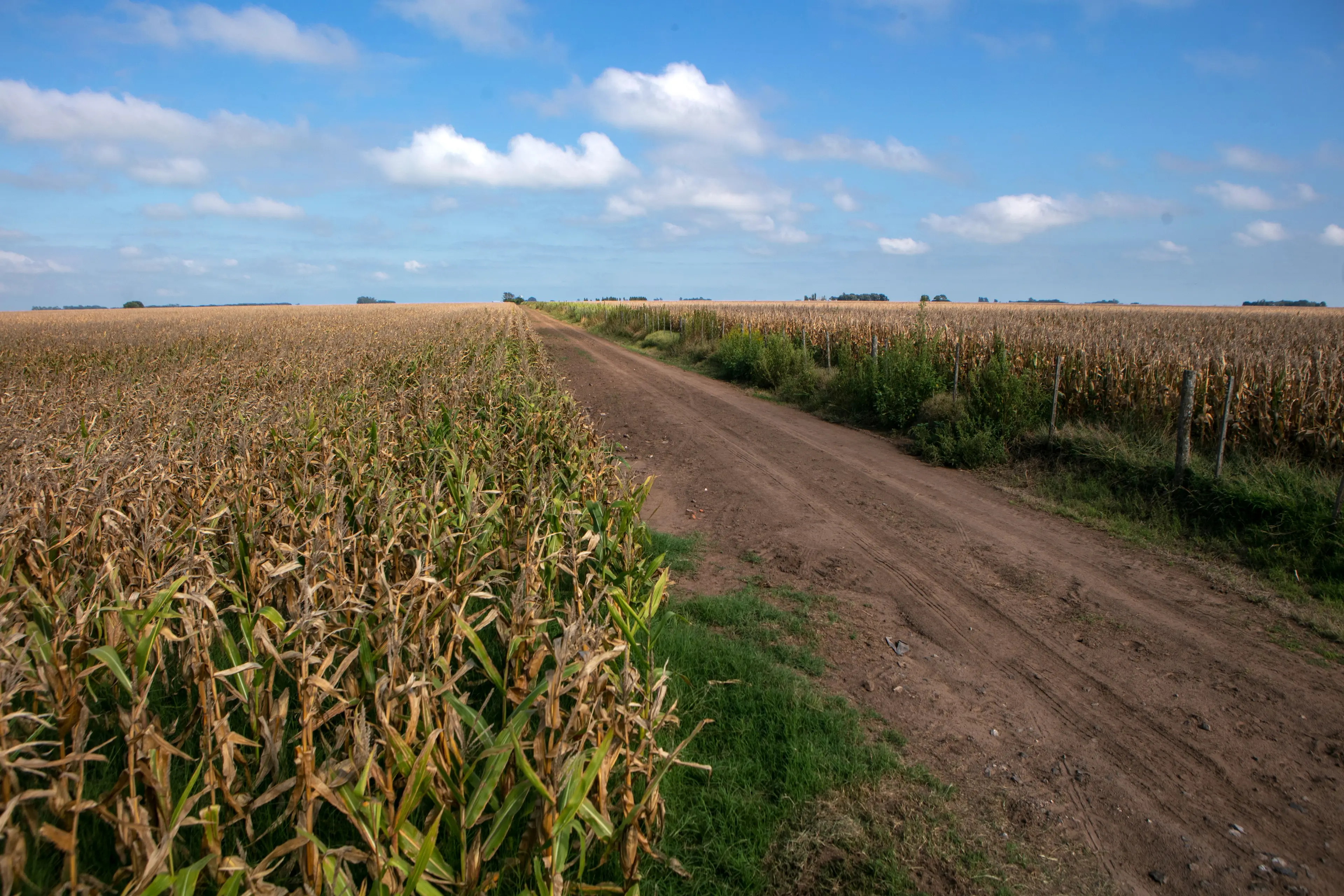
Communities across various provinces are grappling with severe water supply issues, illustrating the direct impact of infrastructure deficits and water scarcity on daily life. In Gauteng, for instance, communities in Mogale City, Westbury, Ebony Park, Tsakane, and Johannesburg South have endured extended water outages, disrupting daily routines and economic activities. KwaZulu-Natal’s eThekwini region also faces ongoing instability, affecting more than fifty neighborhoods, where residents frequently experience interruptions without clear resolution. Meanwhile, Nelson Mandela Bay in the Eastern Cape remains caught in long-term drought cycles, with dam levels frequently dropping below 20 percent of capacity, necessitating strict water restrictions and alternative supply measures. The Free State struggles with multi-day supply interruptions in towns such as QwaQwa, Welkom, and parts of Mangaung, leaving residents without essential services for prolonged periods. Limpopo and the North West provinces report similar challenges, as Polokwane, Mahikeng, and Klerksdorp frequently experience disruptions to their water services. These widespread issues show the urgent need for strong infrastructure development and effective water management strategies to alleviate the burden on affected populations.
Shifting Towards Shared Responsibility
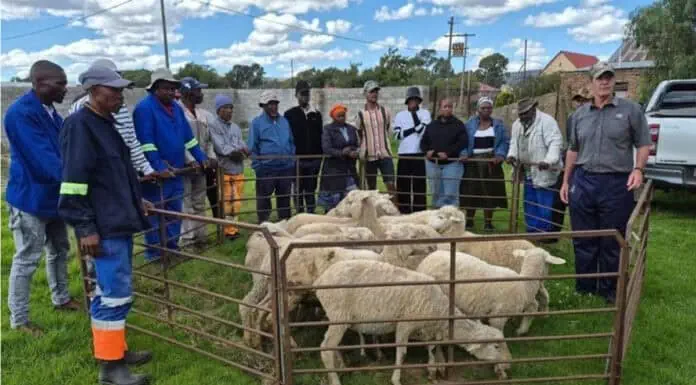
The Water Research Commission (WRC) has launched its A WaterWise Nation campaign, which aims to establish a unified framework for achieving a water-secure future for South Africa. The campaign emphasizes the importance of collective action from all societal sectors to address the country's complex water challenges. It seeks to consolidate efforts from government bodies, private enterprises, non-governmental organizations, and individual citizens towards sustainable water management practices. A key objective of the initiative is to foster a shared understanding of water as a finite resource and to promote responsible consumption and conservation across all levels of society. The WRC states that the campaign provides a strategic roadmap for implementing solutions that can mitigate the ongoing water crisis and build resilience across communities, ensuring a more stable and equitable distribution of water resources.
Building a Water-Secure Future
South Africa's Water Research Commission (WRC) advocates for a unified and collaborative approach to secure the nation's water future. This strategy calls for participation from all societal sectors to implement sustainable water management practices. It emphasizes shared responsibility and collective action to address the ongoing water crisis and build resilience across communities, ensuring that water security becomes a collective achievement rather than an isolated effort.