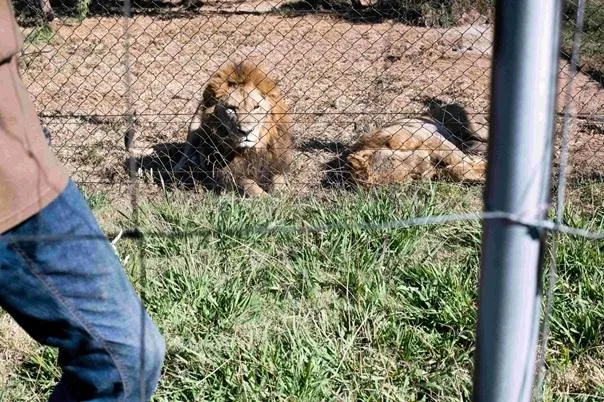
Foreign trophy hunters killed 40,508 wild animals in South Africa during 2024, prompting criticism from environmental organizations. This figure indicates a significant number of animal fatalities attributed to international hunting activities within the country over the year. The sheer volume of animals killed in a single year raises profound questions about the sustainability and ethical implications of such practices. Conservation Action Trust described these hunting numbers as "extraction at scale," noting concerns about the impact on wildlife populations. The organization's statement shows a view that the volume of animals killed by foreign hunters represents a large-scale removal of wildlife from South Africa's ecosystems, raising alarms among conservationists.
Further illustrating the extensive nature of these activities, international clients killed almost 300,000 wild animals in South Africa between 2016 and 2024. This cumulative figure over an eight-year period provides a broader context for the annual hunting statistics, emphasizing a consistent and substantial off-take of wildlife. The practice is under scrutiny as stakeholders evaluate its implications for conservation efforts and biodiversity, with particular attention paid to the long-term effects on various species and their habitats. The debate centers on whether such high levels of extraction are compatible with national and global conservation goals.
Profit Over People and Planet
South Africa's trophy hunting model operates as a high-end, discretionary luxury trade, according to analysis. This characterization points to an industry catering to a niche market, often involving significant financial outlays from participants. The substantial figure of 40,508 animals killed by foreign trophy hunters during 2024 indicates a policy choice that links wildlife survival to revenue generated from hunting, often referred to as 'bullet money'. This approach suggests that the economic benefits derived from hunting are considered a primary justification for its continuation. This model has been identified as the most profitable among wildlife management strategies, yielding an average margin of 33 percent. This high-profit margin shows the economic incentive for maintaining and promoting trophy hunting operations within the country.
In contrast, ecotourism operations experienced financial losses on average, with a negative 10 percent margin. This stark financial disparity between the two models presents a challenge for policymakers aiming to balance conservation with economic viability. Despite these financial differences, ecotourism employed an average of 23 people per operation, suggesting a higher employment capacity and broader community benefit. The labor intensity of ecotourism stands in contrast to the more specialized, and often less labor-intensive, nature of trophy hunting. Trophy hunting, however, employed fewer individuals compared to ecotourism, with the work often being seasonal in nature. This seasonality can lead to precarious employment conditions and limits the potential for stable, long-term job creation within local communities.
The workforce within the trophy hunting sector was predominantly male, comprising 90 percent of its employees. This demographic skew suggests a particular labor market dynamic within the industry. 85 percent of those employed in trophy hunting roles were classified as unskilled labor. This indicates that while the industry generates significant revenue, it may not be fostering high-skilled employment or contributing significantly to human capital development in the regions where it operates. The reliance on trophy hunting for conservation funding and its economic implications are central to ongoing discussions about South Africa's wildlife management strategies. The comparison between the economic models of trophy hunting and ecotourism notes different approaches to conservation funding and community engagement within the wildlife sector, prompting questions about which model offers more sustainable and equitable outcomes for both wildlife and people. The policy choice to make wildlife survival contingent on 'bullet money,' as evidenced by the 40,508 animals killed, continues to draw criticism from those who advocate for alternative, non-consumptive conservation funding mechanisms.
Questionable Conservation Outcomes
International clients killed almost 300,000 wild animals in South Africa between 2016 and 2024, a figure that provides a critical backdrop to discussions around conservation effectiveness. A 2025 study published in the journal Science examined 11 reserves located within the Greater Kruger area, offering detailed insights into the challenges faced by wildlife management. The study noted that $74 million was allocated to traditional anti-poaching efforts in the Greater Kruger area during the period under review. This substantial financial commitment reflects the serious and ongoing threat of poaching to South Africa's iconic wildlife. Despite these extensive anti-poaching investments, 1,985 rhinos were poached in the Greater Kruger area over the same timeframe. This high number of poached animals, despite significant financial outlay, casts doubt on the efficacy of traditional anti-poaching strategies alone.
During the study period, 2,284 rhinos were dehorned within the Greater Kruger area as a proactive measure against poaching. The financial expenditure for dehorning rhinos represented a mere 1.2 percent of the total anti-poaching budget, indicating a relatively low-cost intervention when compared to overall security spending. Dehorning efforts led to a remarkable 78 percent reduction in rhino poaching incidents, according to the Science study findings. This success rate suggests that targeted, non-lethal interventions can be highly effective in protecting vulnerable species. These figures highlight the volume of animals killed by foreign hunters and provide context for conservation challenges and strategies in South Africa's wildlife management. The comparison between hunting statistics and conservation outcomes, particularly regarding anti-poaching measures and their effectiveness, forms a key part of the ongoing scrutiny of South Africa's conservation models. The significant number of rhinos poached despite substantial financial commitments to traditional anti-poaching methods indicates ongoing pressure on wildlife populations and the limitations of current approaches. Conversely, the documented success rate of dehorning, despite its relatively small budget allocation, points to alternative or complementary strategies that may yield more direct results in protecting vulnerable species from poaching, offering a potential path forward for more effective conservation.
Sustainable Alternatives Emerge
The composition of the hunting community notes its international nature, with ninety-five percent of the 7,756 hunters in 2024 originating from the United States, Canada, and Europe. This geographic concentration shows the role of Western clients in sustaining South Africa's trophy hunting industry. However, local sentiment appears to diverge significantly from this consumptive model. Surveys conducted among households near Kruger National Park indicate that the vast majority support wildlife protection and non-consumptive uses, such as tourism, while opposing consumptive practices like trophy hunting. This suggests a strong local preference for alternative wildlife management approaches that prioritize the well-being of animals and harness their value for non-lethal economic activities.
This local sentiment is echoed by research into alternative funding models. A 2023 study published in Global Ecology and Conservation found that 84.2 percent of tourists would be willing to support a 'lion protection fee'. This high level of willingness indicates a potential revenue stream that aligns with tourist values and conservation objectives. The study further calculated that a daily fee of $6 to $7 per tourist could generate a substantial $176 million annually. This amount would be sufficient to replace all revenue currently derived from trophy hunting in South Africa, presenting a compelling financial argument for transitioning away from consumptive wildlife uses. The findings present a potential financial model for conservation that aligns with non-consumptive tourism preferences, offering a viable and ethically preferable alternative to the 'bullet money' model. Such a shift could not only bolster conservation efforts but also foster greater community support and involvement in wildlife protection, moving towards a more sustainable and inclusive future for South Africa's natural heritage.