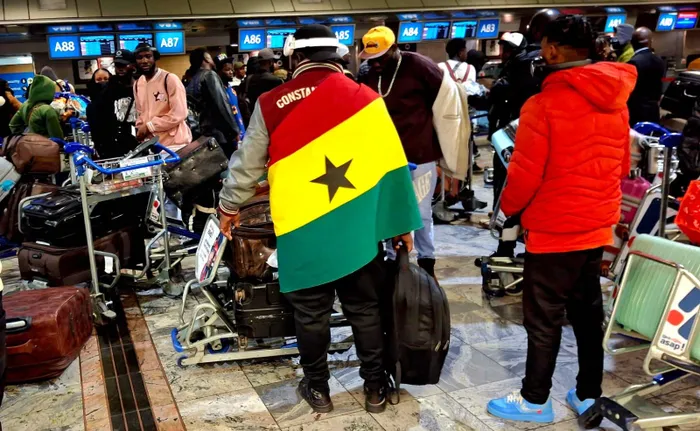
Ghanaian nationals departed from OR Tambo International Airport on Wednesday, marking the first group to accept their government’s voluntary repatriation offer. This development comes amid growing sentiment among South African communities. Many feel abandoned and express anger regarding pressures attributed to illegal immigration and the perceived strain on already struggling public systems. The first group of Ghanaian nationals accepting their government’s voluntary repatriation offer and departing from OR Tambo International Airport on Wednesday shows the complex dynamics at play.
The People's Grievances
Ordinary South Africans, especially those residing in informal settlements, poor communities, townships, and the Cape Flats, are struggling to make a living or survive, according to reports. This daily hardship is particularly acute for those not white, who often bear the brunt of economic stagnation and social inequality. This struggle is set against a backdrop of perceived impunity for those in power. A prevalent sentiment suggests that state resources are being stolen rampantly without consequence, while ministers, Members of Parliament (MPs), Members of Provincial Legislatures (MPLs), councillors, and underworld criminal kingpins maintain lavish lifestyles. This stark contrast between the daily struggles of citizens and the perceived opulence of the elite fuels widespread resentment and a sense of injustice.
This perception is supported by official findings. Commissions and courts have documented extensive looting of public funds, indicating that criminal interests continue to flourish within the country. The findings highlight a deep-seated issue of corruption affecting the lives of citizens, diverting essential resources from public services and perpetuating poverty. The systemic nature of this corruption, as revealed by these official bodies, further entrenches the belief among the populace that those in power operate with impunity.
Government's Ineffective Response
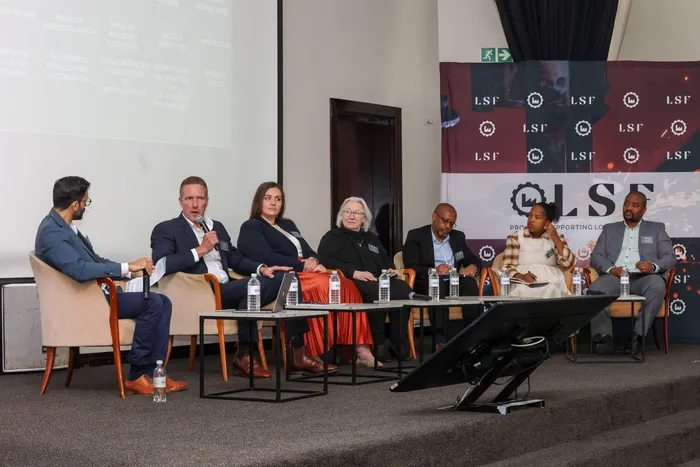
Leaders from the civil society group March and March abruptly departed an urgent meeting with government ministers. They described the gathering as haphazardly organized and a waste of time. This early exit notes growing frustration among civil society organizations regarding the government's perceived inaction and ineffective strategies in addressing pressing national issues. The incident shows a deepening chasm between public expectations and the state's responsiveness to critical challenges, including immigration and corruption. The leaders of the civil society group March and March leaving an urgent meeting with ministers early, deeming it haphazardly organized and a waste of time, serves as a potent symbol of this growing discontent.
The swift departure by March and March representatives signaled their dissatisfaction with the format and substance of the ministerial engagement. Their assessment that the meeting lacked proper structure and yielded no tangible progress reflects a broader sentiment among various citizen groups who feel their concerns are not being adequately addressed by officials. This contributes to public cynicism, as many South Africans increasingly view government efforts as insufficient to tackle the systemic problems plaguing the country. The perceived disorganization of such high-level discussions further exacerbates public distrust in the government's capacity to manage complex crises effectively, reinforcing the narrative that the government is failing to deliver on its mandate.
The Danger of Resentment
The anger and desperation prevalent among South Africans can lead to the targeting of immigrants from other parts of Africa, according to observations. This redirection of frustration risks undermining broader societal stability. South Africa's path to healing and progress hinges on avoiding the exchange of one form of resentment for another, suggesting that addressing deep-seated grievances is key to prevent further divisions. Such sentiments highlight the fragile social fabric where economic hardships and perceived corruption can fuel xenophobic tendencies, potentially diverting attention from systemic issues. The anger and desperation of people, particularly when left unaddressed by effective governance, can readily lead them to target immigrants from other parts of Africa, creating a dangerous cycle of blame and violence. South Africa will not heal and progress if one type of resentment is exchanged for another, emphasizing the need for full solutions that tackle the root causes of public dissatisfaction rather than allowing it to manifest in harmful ways.
A Call for Accountable Leadership
People express anger regarding corruption, crime, failing infrastructure, unemployment, and incompetent politicians. The lived reality for ordinary South Africans is perceived to be worse than official statistics on unemployment, crime, and economic growth suggest. This disconnect between official narratives and daily experiences further fuels public anger and a sense of betrayal. The widespread anger about corruption, crime, failing infrastructure, unemployment, and incompetent politicians points to a crisis of governance that demands urgent attention and accountability. The perception that the lived reality for ordinary South Africans is worse than official statistics on unemployment, crime, and economic growth suggest further erodes trust in public institutions and the data they provide. This stark contrast shows the urgent need for leadership that genuinely understands and addresses the profound challenges faced by its citizens.