One in three South African women will experience physical violence during their lifetime, according to the Human Sciences Research Council's latest National GBV Study. Across the country, many victims seeking refuge are turned away daily when they are in need, showing a critical gap in the support infrastructure. The government's role in supporting safe houses for these victims has been limited, primarily providing partial funding, offering policy guidelines, and developing referral systems, rather than full direct support. This limited engagement often leaves safe houses struggling to meet the extensive demand for their services.
Operational Challenges and Resource Gaps
Safe houses in South Africa are significantly dependent on donor funding from communities and individuals, along with partial state subsidies that are frequently inadequate. This reliance on external and often inconsistent funding streams creates substantial operational instability. Non-governmental organizations manage the majority of these safe houses, numbering approximately 100 across the country, playing a key role in providing refuge. Many of these shelters operate on a small scale, typically able to accommodate between 10 and 20 victims at any given time, which severely limits their capacity to assist all those in need. Limited financial resources often result in the absence of specialized support staff. Consequently, these facilities frequently lack on-site psychologists, trauma counsellors, or qualified social workers who could provide direct, specialized assistance to victims recovering from gender-based violence. This shortage of professional support impacts the full care available to individuals seeking refuge. The reliance on variable funding streams creates instability for these key services, affecting their capacity to provide consistent and specialized care. The small capacity of many shelters further restricts the number of individuals who can receive immediate assistance, noting a significant gap in the support infrastructure. This persistent underfunding and lack of specialized personnel mean that many safe houses struggle to offer the holistic support necessary for survivors to heal and rebuild their lives effectively.
Geographic Disparities in Shelter Access
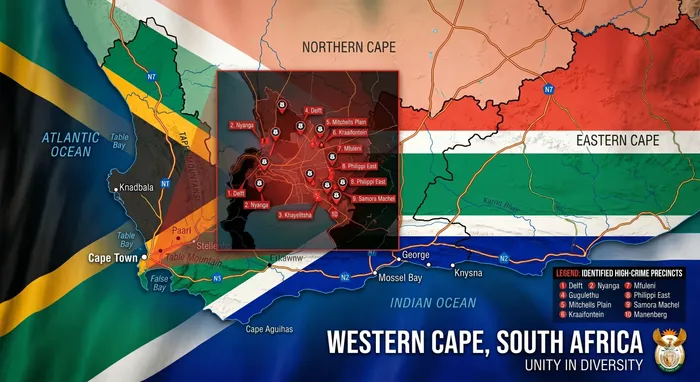
The Gauteng region hosts the highest concentration of safe houses for gender-based violence victims in South Africa, providing more options for individuals seeking assistance. The Western Cape follows with the second-highest number of facilities, and KwaZulu-Natal ranks third in the availability of these essential services. This geographical distribution creates significant disparities in access to key support services across the country, leaving many areas underserved.
The Northern Cape and the Free State possess the fewest safe houses, exacerbating challenges for victims in these provinces. In these regions, substantial distances often separate the limited number of shelters available, making it incredibly difficult for individuals to reach safety when fleeing violence. This spatial scarcity can deter victims from seeking help, particularly in urgent situations where immediate refuge is critical.
Rural areas across South Africa face a dual challenge, grappling with high rates of violence while simultaneously lacking appropriate support services. The absence of safe houses in these regions leaves many victims without immediate refuge, forcing them to remain in dangerous situations or travel great distances. This gap in infrastructure means that individuals in rural communities must travel extensive distances to access any form of protective accommodation, often at great personal risk and incurring significant logistical hurdles. The limited presence of these essential services in rural settings shows a critical need for expanded support networks beyond urban centers. The Eastern Cape and Limpopo provinces, despite consistently reporting high numbers of gender-based violence crimes, also have fewer shelters or safe houses, further compounding the challenges faced by victims in these areas.
Systemic Issues and Broader Context
The scarcity of safe houses in provinces like the Eastern Cape and Limpopo, coupled with the fact that many existing safe houses are predominantly located in urban areas, remains a significant concern given the high rates of GBV across South Africa. This uneven distribution means that victims in rural or less-resourced provinces face substantial barriers to accessing immediate safety and support. Victims of gender-based violence can contact the South African Police Service and various telephone helpline services, including the GBV Command Centre, Stop Gender Violence, Tears Foundation, and Childline South Africa, to facilitate transport and accommodation in a safe house. These helplines serve as a critical first point of contact, helping to bridge the gap between victims and available resources, though the scarcity of physical shelters remains a challenge. However, systemic issues persist, with structural racism deeply embedded in the institutional framework of South African society, which can further complicate access to services for marginalized communities. Efforts to expand capacity include the official opening of the Pure Hearts Safe House, which took place on June 6, 2026, marking a step towards increasing available accommodations. Separately, the 80-year-old Tongaat Child and Family Welfare Society recently established a safe house in Potgieter's Hill, located in Tongaat, further contributing to the network of support. Despite these new initiatives, the overall demand for safe housing for gender-based violence victims continues to far outstrip the current capacity across the nation.