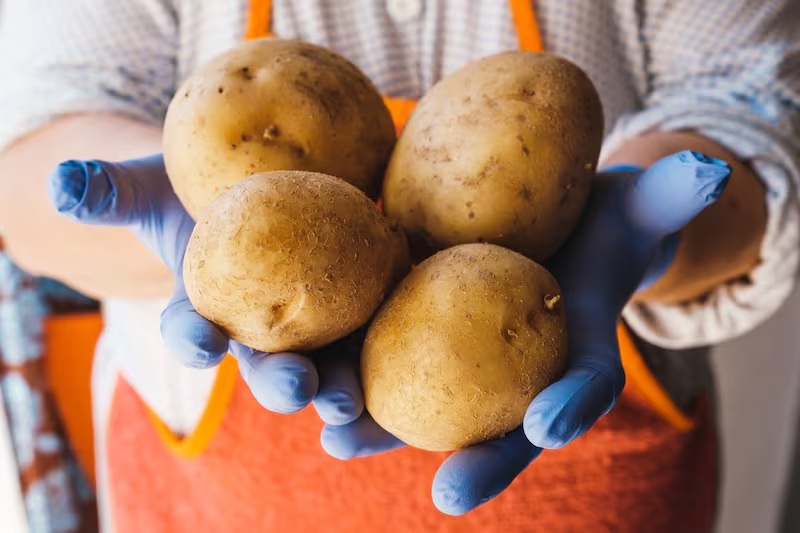
Potatoes are South Africa’s most consumed vegetable and represent one of the country’s most resilient agricultural success stories. This episode of AgriView discusses the realities faced by the industry in producing a record potato crop. The sector continues to demonstrate strong performance despite various challenges, consistently proving its adaptability and strength within the broader agricultural landscape. The resilience of the potato industry is a testament to the dedication of its producers and the strategic innovations being adopted across the value chain.
Market Realities and Challenges
South Africa's fresh produce markets face distinct challenges, according to the article. These challenges are multifaceted, impacting various aspects of the supply chain from farm to consumer. Price volatility is a notable concern within these markets, regularly creating uncertainty for both producers planning their harvests and consumers budgeting for their staples. The fluctuations in market prices can significantly affect profitability for farmers and affordability for households. The article emphasizes that improved market infrastructure is critical for the benefit of both farmers and consumers. Such enhancements could streamline distribution, reduce waste, and ultimately stabilize prices, fostering a more equitable and efficient market environment for all participants. Addressing these infrastructural gaps is seen as a foundational step towards securing the long-term health and stability of the sector.
Adapting to Climate and Technology
The article explores how potato producers in South Africa are adapting to climate volatility through better data and technology. This adaptation includes the implementation of advanced agricultural practices to mitigate the impacts of unpredictable weather patterns, such as droughts, floods, and shifting growing seasons. By leveraging sophisticated data analytics and advanced technological tools, farmers are better equipped to make informed decisions regarding planting schedules, irrigation, and pest management. This proactive approach helps to safeguard crops and ensure consistent yields even in challenging environmental conditions.
The industry is also undertaking significant transformation initiatives. These efforts are focused on modernizing farming techniques and integrating new technologies to enhance efficiency and sustainability across the sector. These transformations aim to secure the long-term viability of potato production in the country, ensuring that South African potatoes remain a staple for generations to come. The embrace of new technologies extends beyond the farm gate, encompassing improvements in storage, processing, and distribution, all contributing to a more strong and responsive supply chain. These initiatives are key for maintaining competitiveness and meeting the evolving demands of the market.
Broader Industry Landscape
The article identifies opportunities for emerging farmers within the South African potato sector. These opportunities are vital for fostering inclusivity and growth, allowing new entrants to contribute to and benefit from the industry's success. Support for emerging farmers often includes access to training, resources, and market linkages, ensuring their integration into the established agricultural framework. It also examines trade dynamics within the Southern African Development Community (SADC). Understanding and optimizing these trade relationships are key to regional food security and economic cooperation, allowing for the efficient movement of produce across borders and the expansion of market access for South African potato producers.
Additionally, the piece notes initiatives designed to reconnect young South Africans with the origins of their food. These efforts aim to foster greater understanding and appreciation for agricultural processes among the younger generation, encouraging future engagement with the sector, whether as producers, innovators, or informed consumers. Such initiatives are key for cultivating a sustainable future for agriculture by ensuring a pipeline of talent and an informed public. The industry continues to address both internal development and regional economic integration as part of its broader strategy, demonstrating a full vision for sustained growth and impact.