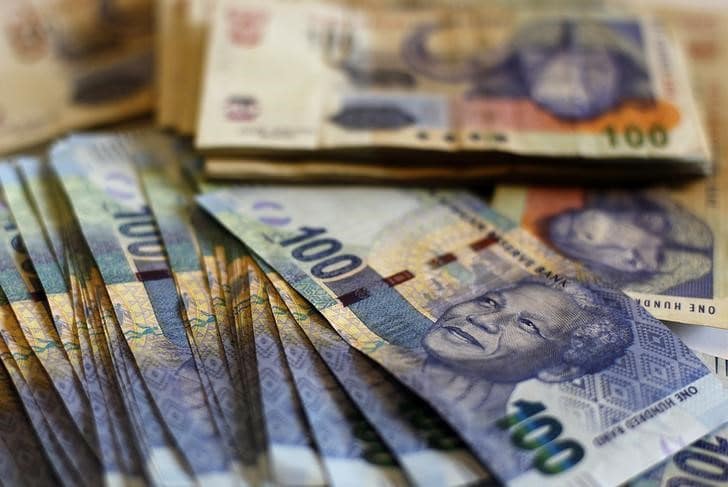
South Africa’s rand weakened on Friday as domestic markets processed a decline in foreign reserves from the previous month. Global sentiment remained cautious due to ongoing U.S.-Iran peace talks, which continued to influence investor behaviour and risk appetite across emerging markets. The rand traded at 16.40 against the dollar at 1343 GMT. This represented a depreciation of about 0.5% from its previous closing value, reflecting immediate market reactions to the day's developments. The weakening of the currency shows the sensitivity of the South African economy to both internal financial metrics and broader international geopolitical currents.
Reserves Decline, Dollar Strengthens
South Africa’s international liquidity declined to $73.47 billion at the end of May, according to central bank data released on Friday. This figure represents a decrease from $73.76 billion recorded in April. The fall in reserves came as the U.S. Dollar strengthened against a basket of other major currencies. This upward movement by the dollar often puts pressure on emerging market currencies, as investors tend to favour the perceived safety and stability of the U.S. Currency during periods of uncertainty. The central bank's report noted the challenges faced by the nation's financial stability in a volatile global economic landscape. A strong level of international liquidity is key for a country's ability to manage external shocks and maintain investor confidence, making the recent decline a point of concern for market participants. The strengthening dollar further amplified the impact of the reserve decline, contributing to the rand's depreciation.
Global Factors and Inflation Focus
Inflation concerns were a key focus for investors on Friday, influencing trading decisions and contributing to the overall cautious sentiment in global markets. The potential for rising prices to erode purchasing power and impact economic growth remained a dominant theme. Oil prices stabilised after Oman's Ministry of Oil and Gas stated that operations at its Mina al Fahal port were proceeding normally. This official statement followed an earlier Reuters report indicating disruption at the port due to an explosion, which had initially caused a spike in oil prices. The stabilisation provided some relief, but the underlying concerns about energy supply and demand dynamics persisted. South Africa remains heavily exposed to the recent spike in global energy prices, which could exacerbate domestic inflationary pressures. The country's reliance on imported energy makes it particularly vulnerable to international price fluctuations, directly impacting consumer costs and economic stability. This vulnerability means that global energy market developments have a swift and direct bearing on the South African economy, often translating into higher petrol prices and increased costs for businesses and consumers alike.
Market Reactions and Outlook
On the Johannesburg Stock Exchange, the Top-40 index registered a decline, falling 0.6%, indicating a broad-based negative reaction from equity investors. This downturn was consistent with the cautious mood prevailing in the market. South Africa’s benchmark 2035 government bond also weakened, with its yield increasing by 13 basis points to 8.68%. A rising bond yield signifies that investors are demanding a higher return for holding the country's debt, often reflecting increased perceived risk or expectations of higher inflation. This movement in bond yields further illustrated the market's unease. Investors are now anticipating key economic data releases next week for further market direction. The statistics agency is scheduled to release gross domestic product figures on Tuesday, which will provide a key snapshot of the country's economic performance. Additionally, other significant economic indicators, including current account, mining, and manufacturing data, are expected to be published on Thursday. These upcoming releases are likely to provide fresh insights into the country's economic health amidst the rand's depreciation and global market caution, offering more clarity on the trajectory of the South African economy.