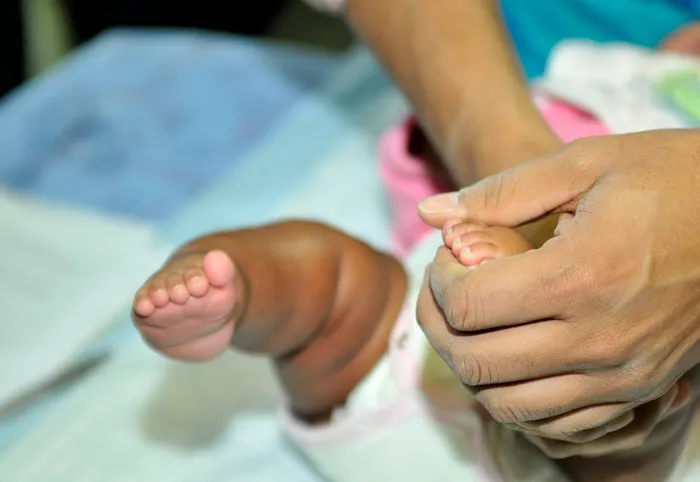
South Africa is intensifying efforts to ensure equitable clubfoot treatment across the country, with STEPS founder and CEO Karen Moss representing the nation at a global symposium to address geographical disparities in care. At least 2,000 babies are born with clubfoot in South Africa annually, prompting STEPS to launch its STRIDE monthly giving campaign to coincide with World Clubfoot Day, which is marked annually on June 3.
Moss, who will represent South Africa at the upcoming 2026 IV International Clubfoot Symposium in Iowa City, stated, "At least 2,000 babies are born with clubfoot in South Africa every year, and every one of them deserves the same chance to walk, run and play, whether they are born in rural Eastern Cape or in a major city like New York." She emphasized that while clubfoot is one of the most treatable childhood conditions, access to care still depends too heavily on geography. Moss added, "the reality on the ground is that too many children still miss the opportunity for early treatment simply because of where they are born." She noted that families often follow treatment protocols but cannot access necessary braces, leading to a high risk of relapse. These geographical barriers are a key focus for STEPS, a non-profit organisation dedicated to supporting families in accessing treatment for clubfoot. The organisation extends its support across South Africa and into neighboring countries, striving to bridge the gap in healthcare access.
The Scope of the Challenge
Clubfoot, medically known as talipes equinovarus, stands as one of the most common musculoskeletal birth defects globally. This condition affects children worldwide, often requiring early and consistent medical intervention. The international community observes World Clubfoot Day annually on June 3, 2026, to raise awareness about the condition and the importance of timely treatment. Despite advancements in medical care, significant disparities persist in access to treatment. Data indicates that over half of the children born with clubfoot in low- and middle-income countries do not receive complete treatment, leading to potential lifelong disabilities. This challenge shows the need for continued efforts to expand access to care, particularly in underserved regions, a mission central to organisations like STEPS.
STEPS's National Impact
The Ponseti Method provides children with a greater than 95% chance of full correction when treated early, involving gentle casting followed by bracing. STEPS, a non-profit organisation, supports families accessing clubfoot treatment across South Africa and in neighboring countries. The organisation's full approach includes not only direct support but also extensive training for healthcare professionals. STEPS currently supports 48 partner clinics distributed across all nine South African provinces, ensuring a broad reach for its services. This extensive network aims to ensure that children have access to the necessary care regardless of their geographical location, directly addressing the disparities noted by Karen Moss.
STEPS has also contributed significantly to professional development within the healthcare sector, having trained more than 2,000 healthcare professionals in the Ponseti Method. These training initiatives are critical for expanding the availability of skilled personnel capable of delivering effective clubfoot treatment throughout the region. By empowering local healthcare providers, STEPS helps build sustainable capacity for clubfoot care, ensuring that more children can receive the early intervention key for successful outcomes. The organisation's efforts are a testament to its commitment to improving the lives of children affected by clubfoot across the country.
Barriers to Access and Global Representation
The 2026 IV International Clubfoot Symposium is scheduled to take place in Iowa City, bringing together global experts on the condition. Karen Moss's representation of South Africa at this prestigious event shows the country's commitment to advancing clubfoot care on an international stage. South Africa maintains a decade-long commitment to expanding clubfoot care through various initiatives. This includes extensive clinic support, training programs for healthcare professionals, and ongoing systems strengthening within the public healthcare sector. These efforts aim to enhance the country's capacity to address the prevalence of clubfoot and ensure that the Ponseti Method, with its high success rate, is accessible to all who need it.
To date, STEPS has directly assisted more than 13,000 children, showing the non-profit's significant impact on clubfoot treatment access and outcomes across South Africa. The organisation's work contributes to improving the lives of children affected by the condition, offering them the chance for a future free from disability. The ongoing efforts by STEPS and the South African government highlight a concerted push to overcome geographical and systemic barriers, ensuring that every child born with clubfoot receives the timely and effective treatment they deserve.