South Africa imported almost 240,000 tonnes of mechanically deboned chicken meat (MDM) in 2024, a significant figure given the country's minimal domestic production. This substantial import volume notes South Africa's profound reliance on foreign sources for a key ingredient in its processed meat products. The nation produces virtually no MDM commercially, making it almost entirely dependent on international markets to meet the considerable demand for this specific meat component within its food industry. This dependency raises pertinent questions about national food security and the resilience of supply chains for widely consumed, affordable protein sources.
Understanding Mechanically Deboned Meat
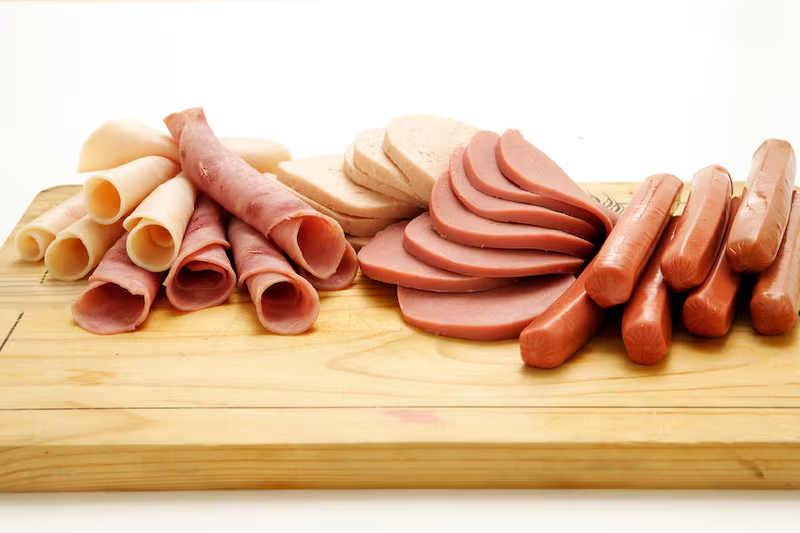
South Africa's meat-processing industry requires enormous quantities of mechanically deboned meat (MDM) for the manufacture of polony, vienna sausage, and other affordable processed meats. These products form a staple part of the diet for many households across the country. MDM itself is created through a mechanical process that efficiently recovers meat remaining on poultry bones after higher-value cuts have been removed for other purposes. This method allows for the full utilization of the entire animal, thereby contributing significantly to the cost-effectiveness of these widely consumed processed meat products. The efficiency of MDM production is key for maintaining the affordability of items that are essential for many South African consumers.
The Brazilian Import Shock
South Africa suspended imports of Brazilian poultry for biosecurity reasons following the detection of highly pathogenic avian influenza. The outbreak occurred in May 2025 at a commercial poultry establishment in Brazil, prompting immediate and decisive action from South African authorities to protect its own poultry industry and public health. This suspension immediately sent ripples through the domestic food sector. After the Brazilian outbreak had been contained and all required veterinary procedures were completed, South Africa lifted its restrictions on imports in July 2025. This two-month suspension noted the fragility of the import supply chain for mechanically deboned meat, a critical component for South Africa's processed meat industry. The temporary halt in imports showed the potential for global health events to disrupt food security and supply lines, even for widely consumed, affordable products, exposing a significant vulnerability in the national food system.
Local Production vs. Imports
More than 90% of South Africa's imported mechanically deboned meat (MDM) in 2024 originated from Brazil, indicating a highly concentrated reliance on a single foreign source for this key ingredient. This significant dependency shows the inherent vulnerability of the supply chain to disruptions, as starkly demonstrated by the recent temporary import suspension from Brazil. Domestically, South African poultry producers typically find greater economic value by selling chicken carcasses and offcuts as soup packs and other similar products, rather than converting them into MDM. This preference by local producers to market these parts differently contributes significantly to the nation's overwhelming reliance on imports to meet the substantial demand for MDM within its processed meat industry. The economic incentives for local producers currently favor higher-value product streams over MDM production, creating a persistent gap that must be filled by international suppliers.
Diversifying for Food Security
The government acknowledged that the suspension of imports from Brazil directly threatened the affordability and availability of processed meats and pet foods in South Africa. This recognition showed the critical role these products play in the national diet and economy. Polony, viennas, and similar products are not merely convenience foods; they represent affordable sources of animal protein, consumed extensively by lower-income households across the country as a vital part of their daily nutrition. The reliance on these products for essential nutrition shows the critical importance of a stable and diversified supply chain for their key ingredients. Ensuring continuous access to affordable protein is a core component of national food security, making the diversification of MDM sources a strategic imperative for South Africa.