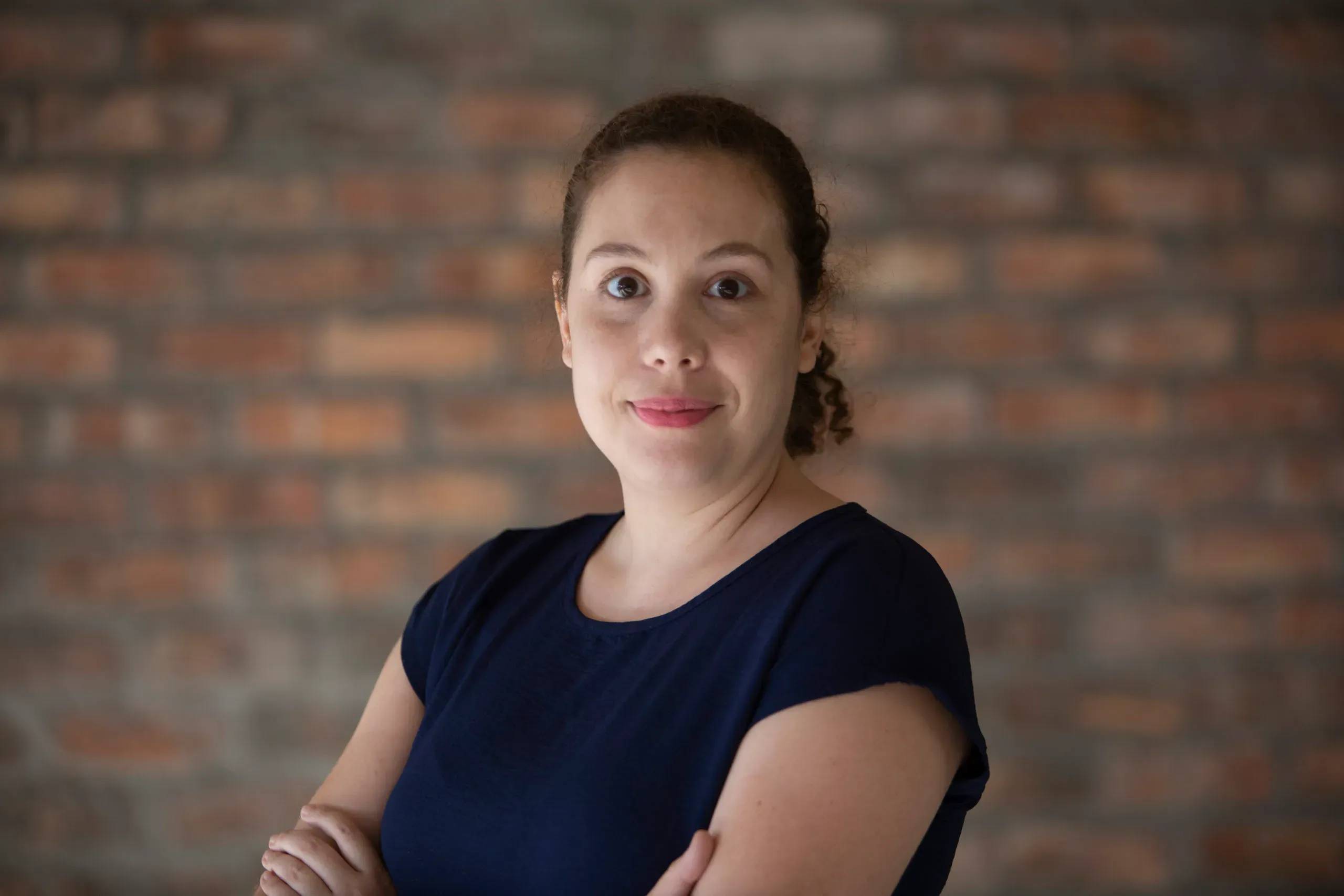
Jodie Fonseca, 37, has been addicted to heroin for 20 years in South Africa, illustrating a widespread drug problem in the country. Fonseca's long struggle with addiction shows the daily reality for a significant portion of the population. Her journey into addiction began at a young age, as she started using heroin when she was just 17 years old. Heroin use is widespread, with estimates suggesting a few hundred thousand people in the country consume the drug daily. This widespread usage notes the scale of the challenge faced by individuals and the healthcare system. The persistent nature of addiction, as exemplified by Fonseca's two-decade battle, indicates the difficulty many face in accessing effective treatment and support. Rates of heroin use in South Africa have been on the up, exacerbating the crisis and placing additional strain on already stretched resources. This escalating problem demands urgent attention and full solutions to address the growing public health concern.
A Community's Struggle for Recovery
Jodie Fonseca, 37, currently attends a weekly outpatient service provided by the NGO Smoking and Alcohol Harms Alleviation and Rehabilitation Association (Sahara) in George. Sahara offers free medical-assisted outpatient rehabilitation and counselling through support groups, providing a vital lifeline for individuals like Fonseca. The organization utilizes a consulting room within Central Clinic for a few hours each week to operate its Tuesday methadone programme and Friday counselling services, making treatment accessible to the local community. Fonseca, who began using heroin at 17, articulated the profound despair that often accompanies long-term addiction, stating, "I can’t carry on in this lifestyle. I feel the next time I pick up I’ll… make sure it’s a deadly dose." Her recent relocation to George from Johannesburg several months ago signifies a fresh attempt at recovery, noting the geographical challenges individuals often face in seeking help.
The Central Clinic also serves other community members seeking assistance with addiction, illustrating the diverse nature of substance use disorders prevalent in the area. A father and his teenage son recently visited the clinic for the son's marijuana habit, showing that addiction affects individuals across different age groups and with various substances. Among those battling heroin addiction are Peter-John Truter and his twin brother, Kenneth, both 36. The Truter brothers started using drugs as teenagers and discovered heroin in their 20s, a common trajectory for many struggling with substance abuse. Peter-John Truter described the widespread proliferation of drug use in his community, stating, "Drugs took over the Cape Flats. Wherever you went, people were drinking, smoking tik or whatever. It’s the weekend thing. Our area became infected with heroin. We moved from smoking to mainlining (injecting)." The brothers eventually transitioned from smoking heroin to mainlining the drug, a progression that significantly increases health risks and the severity of addiction. In addition to illicit substances, the clinic also sees cases involving prescription medication abuse; another young man is struggling with an addiction to the medication Tramadol, consuming up to 20 tablets daily. This diverse caseload emphasizes the broad scope of the addiction crisis in South Africa.
Despite the formidable challenges, some individuals have found recovery through Sahara’s programme, offering a glimmer of hope amidst the widespread struggle. Sarah Lessing has remained free from heroin use for four years since joining the organization’s efforts in George, serving as an inspiring example of successful recovery. Lessing noted the scarcity of support systems in the area, noting, "In George, there’s unfortunately nowhere for people without a support system to go." Her personal journey further illustrates the obstacles faced by those seeking treatment; she recounted the daily struggle of seeking treatment, explaining, "I had to literally walk past my dealer to get to the taxi to go to Dr Reuter’s clinic," a stark reminder of the environmental pressures and temptations that can derail recovery efforts.
The Medical Response and Its Gaps
Sahara, an organization established in George five years ago by Dr. Hermann Reuter, provides a structured and vital approach to addiction treatment in a region desperately in need of such services. A key component of its services involves addressing heroin addiction through Opioid Substitution Treatment (OST), which utilizes methadone. Heroin addiction is effectively treated with methadone Opioid Substitution Treatment (OST), a recognized and evidence-based approach. Methadone itself is a synthetic opioid that is typically taken once a day, providing a stable dose that helps manage cravings and withdrawal symptoms, allowing individuals to stabilize their lives and engage in counselling. Beyond heroin, the organization also targets other substance use disorders, demonstrating a full approach to the community's needs. For individuals seeking to reduce alcohol consumption, Sahara prescribes medications such as diazepam and naltrexone, which can help manage withdrawal and reduce cravings. Nicotine addiction, another prevalent public health issue, is managed with pharmaceutical interventions including bupropion and varenicline, both proven to aid in smoking cessation.
While Sahara operates a weekly outpatient service at Central Clinic, its reach extends to other communities within the George district, striving to improve accessibility for a wider population. On Wednesdays, the organization runs a dedicated programme at Thembalethu clinic. This specific clinic primarily serves individuals struggling with alcohol and nicotine use, reflecting the diverse addiction challenges faced by the local population and tailoring services to specific community needs. The provision of these treatments in different locations aims to improve accessibility for patients within the George area, recognizing that geographical barriers can be significant impediments to seeking and receiving care. This decentralized approach is key in reaching underserved populations and offering support where it is most needed.
Dr. Reuter's Vision and the Systemic Challenge
Dr. Hermann Reuter characterizes substance abuse as South Africa's second most significant health challenge, ranking only behind HIV, showing the severity and widespread impact of the crisis. The country's public health system currently lacks provision for methadone or other medications essential for treating substance abuse, as these are not included on the essential medicines list. This critical omission represents a major systemic gap, hindering effective treatment and perpetuating the cycle of addiction for many. Sahara, the organization founded by Dr. Reuter, has taken proactive steps to address this deficit by subcontracting to manage approximately 65 health workers from five clinics within the George district, all of whom have received specialized training in substance use and mental healthcare. This initiative is a testament to the dedication of Sahara and Dr. Reuter in bridging the gap left by public health policy.
Dr. Reuter, whose extensive career in public health has prepared him for this challenging role, graduated in medicine from Stellenbosch University in the early nineties. His early career saw him working for the Treatment Action Campaign (TAC) in the Western Cape during the late nineties, where he was involved in advocating for access to essential medicines and treatment, experience that directly informs his current work. Additionally, Dr. Reuter ran vital HIV treatment programs in Khayelitsha, Cape Town, and Lusikisiki for Médecins Sans Frontières (MSF), gaining invaluable experience in managing complex public health crises in resource-limited settings. In recognition of his significant contributions to rural healthcare, the Rural Doctors Association of Southern Africa (Rudasa) awarded him the prestigious Rural Doctor of the Year Award in 2004. Dr. Reuter relocated to George in 2015, bringing his wealth of experience and dedication to the community, where he later established Sahara to tackle the burgeoning addiction crisis head-on.
The impact of Sahara's programmes is evident in the personal stories of recovery. David Nongogo, who joined Dr. Reuter's program about five years ago, stated it took him a focused three weeks to cease smoking and drinking, demonstrating the effectiveness of structured intervention. Nongogo described a past struggle with alcohol, vividly illustrating the depths of his addiction and the transformative power of the program, saying, "I won’t ever go back there. There’s a drink they make in the township, called ‘iginja’ made from a powder you brew into alcohol. If you drink it, you don’t even know when you need to urinate. You just urinate. I found myself there. If it wasn’t for the programme, I wouldn’t be here." His testimony shows the life-saving potential of accessible treatment. Another patient, a 29-year-old woman, who has smoked cigarettes since she was 17, noted the lack of any perceived benefit from her habit, stating, "It doesn’t even help my stress," a common sentiment among those struggling with nicotine addiction, further noting the need for effective cessation support.
Broader Implications and Future Needs
Rates of heroin use have been increasing in South Africa, making the work of organizations like Sahara more critical than ever. Methadone, a synthetic opioid, is typically administered once daily as part of Opioid Substitution Treatment, providing a stable and effective means of managing opioid dependence. Last year, Sahara's NGO provided treatment to a significant number of individuals, with 2,400 people receiving help for smoking and 1,400 for alcohol consumption, demonstrating the broad scope of their services. During the same period, more than 50 people received methadone treatment through the organization, a key intervention for those battling severe opioid addiction. These statistics highlight both the immense need for addiction services and the vital role played by Sahara in addressing this complex public health challenge. The continued absence of these essential medications from the national essential medicines list remains a significant barrier, showing the urgent need for policy reform to support and expand access to life-saving addiction treatment across South Africa. This article was first published by Spotlight, shedding light on a critical, yet often overlooked, health crisis within the nation.