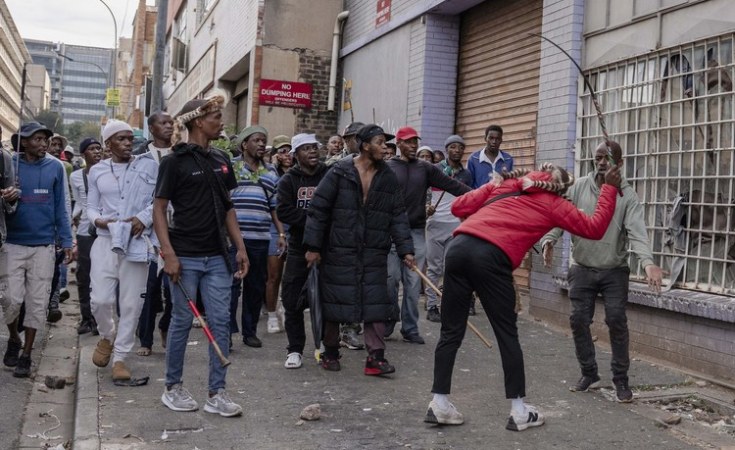
South Africa is fast approaching a self-imposed June 30 deadline, a date advanced by various anti-immigration groups across the nation. This impending deadline shows rising tensions surrounding migration issues within the country, bringing to the forefront a complex interplay of social, economic, and political factors. The period leading up to June 30 has seen increased rhetoric and calls for action from these groups, focusing national attention on immigration policies and the perceived impacts of migration on local communities. These developments occur amidst broader discussions regarding the socio-economic conditions contributing to migration-related challenges in South Africa, including high unemployment rates, poverty, and inequality. The government and various stakeholders are closely monitoring the situation as the date approaches, recognizing the potential for further instability if these deep-seated issues are not adequately addressed. The growing pressure from anti-immigration factions notes a contentious national debate about identity, resources, and the future direction of the country's immigration framework.
Echoes of Past Unrest
The atmosphere surrounding the current moment evokes memories of July 2021, a period when South Africa experienced significant unrest. This historical context serves as a stark reminder of the fragility of social order when underlying grievances are left unaddressed. South Africans have become accustomed to confronting crises only after institutions have failed to prevent them, a pattern that raises concerns about the current situation. During the July 2021 unrest, the South African Human Rights Commission estimated that approximately 350 people lost their lives, a tragic toll that showed the severity of the breakdown in public order. The economic damage from that period exceeded R50-billion, a staggering figure that crippled businesses, destroyed infrastructure, and set back economic recovery efforts. The events of July 2021 exposed how quickly uncertainty can fill the vacuum created by weak institutions and ineffective leadership, illustrating the profound consequences of state incapacity in times of crisis. The lingering effects of that unrest continue to shape public discourse and policy considerations, particularly as new deadlines and demands from various groups emerge.
Institutional Trust Deficit
The current anxieties surrounding migration cannot be understood solely through the lens of xenophobia or border control. While these elements are often present in public discourse, the deeper roots of the current tensions lie in a broader crisis of institutional trust and systemic failures within the nation. The public's confidence in government institutions to manage complex issues, including immigration, economic development, and social cohesion, has been eroded over time. This deficit in trust exacerbates societal divisions and makes it more challenging to implement effective, long-term solutions. The focus on the June 30 deadline, driven by anti-immigration groups, is not just about immigration policy; it reflects a deeper frustration with governance and the perceived inability of the state to address the socio-economic hardships faced by many citizens. This environment of distrust creates fertile ground for populist sentiments and simplifies complex problems into easily digestible, often divisive, narratives.
Beyond Xenophobia and Borders
An Expert Panel, established by President Cyril Ramaphosa, determined that the July 2021 unrest was fueled by several factors beyond immediate triggers. The panel's findings indicated that structural inequalities within South African society played a significant role, noting the enduring legacy of apartheid and the persistent disparities in wealth, opportunities, and access to basic services. These deep-seated inequalities create a volatile environment where frustrations can easily escalate into widespread unrest. Additionally, the report noted poor coordination among the country's security agencies, suggesting a systemic breakdown in their ability to respond effectively to widespread civil disturbances. This lack of preparedness and inter-agency cooperation further complicated efforts to restore order during the July 2021 events. The Expert Panel concluded that broader governance failures also contributed to the unrest, pointing to deficiencies in overall state management and public service delivery. This includes issues such as corruption, inefficiency, and a lack of accountability across various government departments. The panel's analysis frames the 2021 events as a symptom of deeper, underlying challenges within the nation's political and social fabric, suggesting that addressing these fundamental issues is key for preventing future crises and ensuring long-term stability.