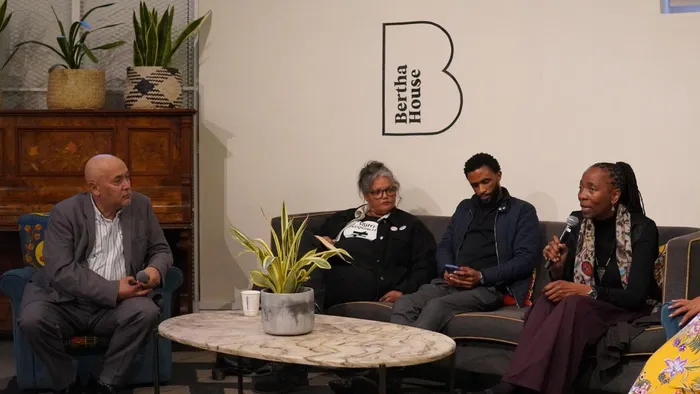
Human Settlements Minister Thembi Simelane called on South Africa's middle class, professionals, and business community to actively strengthen local government accountability and service delivery. Simelane made the appeal during The Platform on Thursday weekly webinar series. She defined the role of informed citizens as those who are "organised, lawful, evidence-based and persistent," using their education and professional capabilities for a broader democratic good. Simelane stated that activism functions best when it is "collective and specific," and that effective oversight should make "avoidance more difficult and correction more likely." She urged residents and businesses to comply with rules, protect public facilities, and report failures responsibly.
Defining the Activist Citizen
Human Settlements Minister Thembi Simelane stated that an "activist middle class" should not aim to replace the State. Instead, Ms. Simelane urged this group to leverage its education, professional capabilities, networks, and access to institutions to ensure the government fulfills its responsibilities. Simelane stated that an 'activist middle class' should not replace the State, but use its education, professional capabilities, networks, and access to institutions to insist that government performs its responsibilities. She described activist citizens as informed, organised, lawful, evidence-based, and persistent in their efforts.
Ms. Simelane noted that activism operates most effectively when it is collective and specific. Simelane said activism works best when it is collective and specific. She further noted that strong oversight should not merely expose failures. "Good oversight does not merely expose failure; it makes avoidance more difficult and correction more likely," Ms. Simelane said. She emphasized that support from professionals must strengthen accountable institutions rather than establishing "unaccountable parallel structures."
The Minister also outlined that public-private partnerships must entail shared risk, transparent value, and clear public benefit, rather than leading to the privatization of decision-making. Public-private partnerships must mean shared risk, transparent value, and public benefit, not the privatisation of decision-making. Government, on its part, must uphold its end of the partnership by publishing realistic and funded priorities, enhancing project preparation, offering clear feedback, making performance visible, and taking action against failure and corruption. Government must fulfil its side of the partnership by publishing realistic and funded priorities, improving project preparation, providing clear feedback, making performance visible, and acting on failure and corruption.
Practical Roles for Engagement
Human Settlements Minister Thembi Simelane outlined five practical roles for the middle class, beginning with sustained democratic oversight. Simelane noted five practical roles for the middle class, starting with sustained democratic oversight. Citizens, according to Ms. Simelane, should review municipal Integrated Development Plans, budgets, service-delivery plans, and performance reports. Citizens should read municipal Integrated Development Plans, budgets, service-delivery plans, and performance reports. She emphasized participation in decision-making processes before key decisions are finalized. Citizens should participate in decision-making before key decisions are finalised. This engagement can occur through ward committees, petitions, public hearings, and lawful information channels. Citizens should use ward committees, petitions, public hearings, and lawful information channels. Simelane advised citizens to bring evidence, track undertakings, and follow up to assess changes. Citizens should bring evidence, track undertakings, and return to establish what has changed. She urged citizens to identify a broken commitment, determine the responsible institution, agree on evidence to demonstrate progress, and maintain a record until a response is received. Simelane urged citizens to identify a broken commitment, establish the responsible institution, agree on evidence that will demonstrate progress, and maintain a record until there is a response.
Ms. Simelane stated that citizens who are able to pay for municipal services must do so, while also supporting fair and transparent protection for indigent households. Simelane said citizens who can pay for municipal services must do so, while supporting fair and transparent protection for indigent households. "Residents and businesses should comply with planning and building rules, protect public facilities, report failures responsibly and reject illegal connections, vandalism and the normalisation of neglect," Ms. Simelane said. She noted that professionals, including engineers, planners, architects, lawyers, accountants, project managers, data specialists, academics, and communicators, can assist communities in comprehending plans and improving public proposals. These professionals can also mentor young professionals and emerging contractors, and support municipal or settlement challenges. Professionals like engineers, planners, architects, lawyers, accountants, project managers, data specialists, academics, and communicators can help communities understand plans, improve public proposals, mentor young professionals and emerging contractors, and support municipal or settlement challenges. "Engineers, planners, architects, lawyers, accountants, project managers, data specialists, academics and communicators can help communities understand plans, improve public proposals, mentor young professionals and emerging contractors, and support clearly defined municipal or settlement challenges through professional bodies and universities," Ms. Simelane stated.
Businesses operating in human settlements are expected to reject collusion, bribery, fronting, and extortion. Businesses operating in human settlements must reject collusion, bribery, fronting and extortion, deliver quality work, comply with consumer-protection standards, pay smaller suppliers on time, and invest in skills and local supply chains. They should deliver quality work, comply with consumer-protection standards, pay smaller suppliers on time, and invest in skills and local supply chains. Across the department's six entities, approved Annual Performance Plans set a minimum target of 40 percent of annual procurement spend for women-owned businesses.
The Platform's Focus
The Platform has been called upon to concentrate its contributions on three key questions. The Platform is called on to focus its contribution on three questions: the specific local or settlement problem being addressed, verifiable results demonstrating changed conditions, and what each participant will contribute within the law and a defined timeframe. Participants are urged to consider the specific local or settlement problem being addressed, verifiable results demonstrating changed conditions, and the individual contribution each participant will make within the confines of the law and a defined timeframe.