South Africa's meat export industry faces significant financial losses due to ongoing market access issues stemming from foot-and-mouth disease outbreaks, particularly affecting key Middle Eastern markets. The facilities impacted by the disease remain unable to export to these regions, leading to substantial economic repercussions for producers and exporters alike. The Association of Meat Importers and Exporters (AMIE) estimates these losses at approximately R750 million annually, accumulating to about R1.5 billion over a two-year period. This considerable financial impact notes the urgent need for resolution to restore market access and support the industry's growth.
Existing Markets Blocked
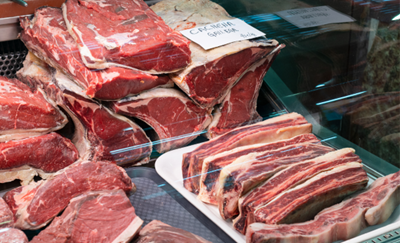
Before a ban due to foot-and-mouth disease (FMD) outbreaks, South Africa exported approximately 300 tonnes of lamb to Qatar each month. This trade volume shows the significant impact of the current restrictions on established markets, representing a substantial loss of revenue and market share for South African producers. The cessation of these exports has left a void in the trade relationship, affecting both the South African supply chain and the Qatari market's access to South African lamb.
Unresolved procedural issues linked to Egypt are reportedly delaying progress on market access for South African meat products in other key countries. These delays are specifically impacting efforts to resume or establish trade with Qatar, Mauritius, and Bahrain, according to industry sources. The continued absence from these markets contributes to the overall financial losses experienced by South Africa's meat export sector, further exacerbated by the inability to capitalise on established trade routes. These procedural hurdles, though seemingly administrative, have broad consequences for the economic viability of meat exports.
Internal Hurdles and Broader Impact
Access into Dubai for South African meat products remains unfinalised, adding to the ongoing challenges in securing market access in the Middle East. This unresolved issue contributes to the broader difficulties faced by the South African meat export industry, preventing it from fully leveraging the lucrative opportunities presented by the region's demand for high-quality meat. The lack of finalisation for Dubai access means that a significant potential market remains untapped, hindering the industry's ability to diversify its export destinations and mitigate risks associated with reliance on fewer markets.
Further complicating the situation, the industry is experiencing increased pressure due to inconsistent veterinary interpretation between South African provinces. This inconsistency creates additional hurdles for exporters seeking to meet international standards and maintain a reliable supply chain. The varying interpretations across provinces can lead to confusion and delays in certification processes, making it difficult for exporters to guarantee compliance with the stringent health and safety requirements of importing nations. These internal inconsistencies exacerbate the external market access problems, hindering efforts to expand South Africa's meat export footprint and maintain a competitive edge in the global market. The lack of a unified approach to veterinary standards within the country adds another layer of complexity to an already challenging export environment.
New Opportunities vs. Current Reality
Qatar banned South African lamb imports on June 1, 2024, a recent development that further impacted established trade routes and showed the fragility of current market access. This ban represents a direct and immediate blow to lamb exporters, cutting off a previously reliable and substantial market. Despite these setbacks in existing markets, new opportunities are emerging for South African meat products. Italy expressed interest in South African beef during recent trade discussions, signalling a potential avenue for market diversification. This interest was raised at the SA-Italy Agriculture Business Forum held in Cape Town, indicating potential for diversification of export destinations and a shift towards new, promising markets. The discussions highlight a contrasting reality where new markets show promise even as traditional ones remain closed or face new restrictions, forcing the industry to adapt and explore alternative trade relationships. This dual scenario presents both challenges and potential for strategic realignment for South Africa's meat export sector.
Industry Calls for Resolution
Lamb exports to Qatar have been stalled for two years, according to industry representatives, reflecting a prolonged period of inactivity in a key market. Mark Luff, AMIE chairman, stated that "Lamb exports to Qatar have been stuck for two years while access into Dubai is still not finalised, and facilities affected by foot-and-mouth disease remain shut out of key Middle Eastern markets where commercial momentum should already have been restored." This situation notes the ongoing challenges faced by South African meat exporters in regaining access to vital markets and the frustration over the slow pace of resolution. The industry is actively calling for concerted efforts from government and regulatory bodies to address these long-standing issues and unlock the full potential of South Africa's meat export capabilities. Without swift action, the financial losses and missed opportunities will continue to mount, impacting the livelihoods of those within the sector.