The 2026 Future of Jobs Summit™ recently noted an urgent national call to reposition South Africa towards future industries, future skills, and future-ready leadership. This critical initiative comes at a time when the country grapples with significant unemployment, with more than 8.1 million South Africans currently without work. The summit showed the pressing need for strategic interventions to address this deeply entrenched crisis, emphasizing a forward-looking approach to economic development and job creation. The discussions at the summit centered on how the nation can proactively adapt to global economic shifts and create sustainable employment opportunities for its citizens. This national call is a direct response to the socio-economic challenges currently facing the country, aiming to lay a strong foundation for future prosperity and stability. The urgency of this repositioning was a recurring theme throughout the summit's proceedings, reflecting a collective determination to tackle the unemployment challenge head-on.
A previous period between 2004 and 2010 demonstrated the potential for significant job creation in South Africa, when approximately three million jobs were generated. This substantial growth occurred during a time characterized by coordinated infrastructure investment, substantial tourism growth, and strong national mobilization efforts. The historical precedent set during this era suggests that focused and collaborative initiatives can indeed lead to significant employment gains and economic upliftment. This period serves as a powerful reminder that strategic planning and concerted action across various sectors can yield tangible results in the fight against unemployment. The lessons learned from this successful phase of job creation are considered invaluable for informing current and future strategies aimed at revitalizing the South African labor market. Understanding the drivers of success from this past period is key for formulating effective policies and programs today.
Global Economic Realignment
South Africa is competing for relevance in a rapidly changing global economy, which is increasingly shaped by accelerating technological advancements, growing demands for sustainability, continuous innovation, and dynamic talent mobility. The global economy is undergoing a profound reorganization, driven by transformative technologies such as artificial intelligence, the widespread adoption of automation, the imperative for renewable energy solutions, the expansion of digital services, breakthroughs in biotechnology, the evolution of advanced manufacturing techniques, and the emergence of entirely new forms of work and entrepreneurship. This full realignment necessitates sophisticated and strategic responses from nations like South Africa, which are striving to secure their economic future and ensure their competitiveness on the international stage. The ability to adapt to these global shifts is critical for sustained growth and the creation of future-proof jobs. Failure to engage with these trends risks marginalizing the nation in the global economic landscape.
In response to these widespread global shifts and the urgent domestic challenges, several key outcomes were announced at the recent summit, designed to establish a new and decisive direction for South Africa. These outcomes included the development of a Future Industries Report™, intended to provide full strategic insights and actionable intelligence on emerging sectors. Additionally, the creation of a Future of Jobs Charter™ was announced, which will serve as a guiding framework for policy and action across government, business, and civil society. Further initiatives involve the establishment of new collaboration pathways, specifically designed to foster strong partnerships across various sectors, thereby maximizing collective impact. Practical recommendations on youth employment were also developed, aiming to directly address the alarmingly high rates of joblessness among young people. Crucially, a detailed roadmap was established to strategically position South Africa as a continental hub for future industries and innovation, leveraging its inherent potential to lead in emerging economic sectors across the broader African continent. These outcomes collectively represent a concerted effort to proactively shape South Africa's economic destiny.
Summit Discussions and Participants
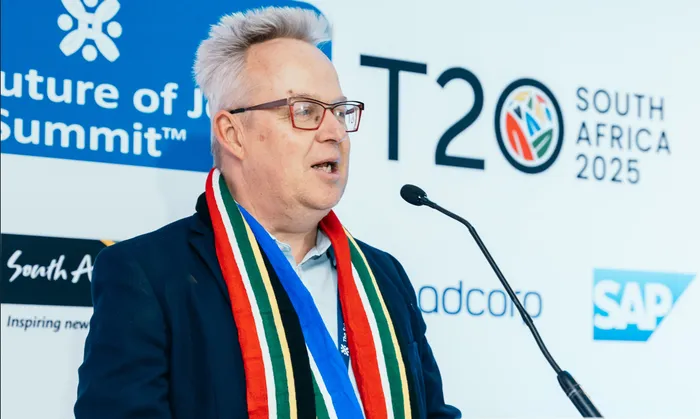
The 2026 Future of Jobs Summit™ took place in Sandton, a key economic hub, gathering a diverse array of stakeholders to comprehensively address South Africa's pressing employment challenges. This significant event, also known as the 2nd Future of Jobs Summit™: Next10! Received notable recognition in 2025 as an official T20 Side Event, aligning its objectives with South Africa’s G20 Presidency. This alignment showed the national and international importance of the summit's agenda. The discussions were structured to facilitate deep engagement and foster collaborative solutions, reflecting the multi-faceted nature of the unemployment crisis. The setting in Sandton provided an ideal environment for high-level dialogue and strategic planning among leaders from various sectors.
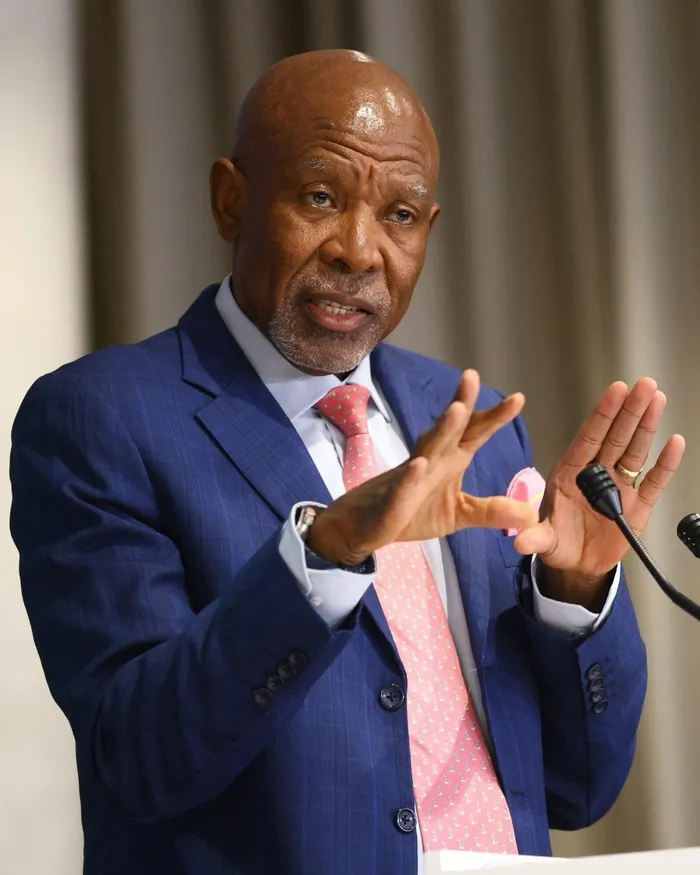
The summit officially commenced with an opening address by Hon. Vuyiswa Ramokgopa, Gauteng MEC for Economic Development, Agriculture and Rural Development, who set the tone for the critical discussions that followed. Lance Williams, Public Sector Lead at SAP South Africa, issued a compelling challenge to delegates, urging them to consider how technology, particularly within the artificial intelligence era, and human potential could collaboratively and innovatively reshape South Africa’s economic future. His insights noted the transformative power of digital advancements. Melvyn Lubega, Head of the Digital Service Unit in The Presidency, further emphasized the increasing significance of digital infrastructure and the burgeoning digital economy in creating new opportunities for both employment and entrepreneurship, especially among young South Africans. These contributions from key figures provided both governmental and private sector perspectives on the path forward.
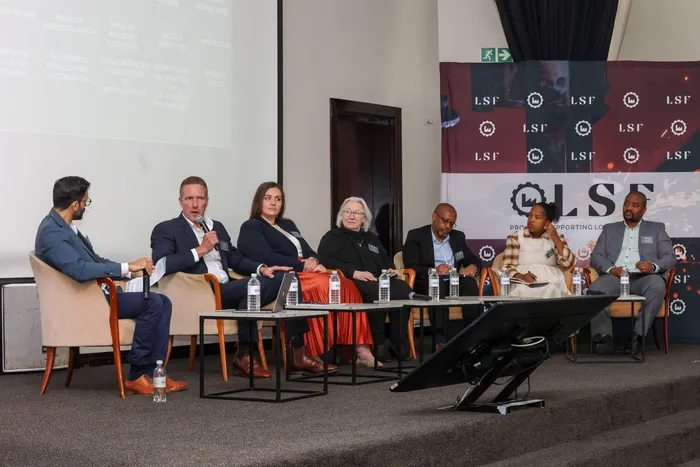
The summit also included specialized dialogues, designed to facilitate focused discussions among specific leadership groups. The 2026 CEO Dialogue™ convened prominent business leaders from various industries, providing a platform for strategic insights from the corporate sector. Simultaneously, the CHRO Dialogue™ brought together leading Human Resources executives, focusing on talent management and workforce development strategies. Additionally, the CMO Dialogue™ gathered marketing leaders, exploring how brand and market positioning can contribute to economic growth and job creation. These dedicated discussions focused on identifying and implementing practical interventions related to youth employability, fostering strong leadership development programs, ensuring skills alignment with evolving industry needs, and strengthening collaboration across all sectors of the economy. The multi-faceted approach aimed to ensure that all critical aspects of job creation and economic growth were thoroughly examined.
The Need for Strategic Alignment
South Africa's official unemployment rate has reached a concerning 32.7%, indicating a significant and persistent challenge in the country's labor market. This figure represents a substantial portion of the working-age population struggling to find employment. The issue is particularly acute among younger demographics, with youth unemployment for those aged 15–24 recorded at an alarming 60.9%. This statistic shows a critical societal challenge, as a large segment of the future workforce faces immense barriers to entry into the economy. Addressing these stark figures necessitates a concerted, strategic, and urgent effort from all stakeholders, as was powerfully noted by various participants at the 2026 Future of Jobs Summit™. The gravity of these statistics served as a constant backdrop to the summit's deliberations, reinforcing the imperative for immediate and effective action. The long-term implications of such high unemployment, particularly among the youth, pose a significant threat to social cohesion and economic stability.
The summit featured insightful contributions from a diverse group of stakeholders, showing the broad engagement required to effectively tackle the multifaceted employment crisis. Prof. Bismark Tyobeka of North-West University lent invaluable academic insights to the discussions, providing a research-based perspective on potential solutions and challenges. Marc Lubner, representing Afrika Tikkun, brought perspectives from the non-profit sector, sharing experiences and strategies focused on youth development and empowerment. Faith Mangope, from the Faith Mangope Technology & Leadership Institute, offered specialized expertise on the critical intersection of technology and leadership in the rapidly evolving job landscape, emphasizing the need for digital literacy and adaptive leadership. Additionally, Barry Hendricks of SASCOC participated, representing the sporting and organizational sectors, noting the potential for job creation and skill development within these often-overlooked areas. These varied contributions collectively aimed to foster a full understanding of the complex challenges and to identify innovative, practical solutions for job creation and sustainable economic growth in South Africa. The collaborative spirit demonstrated by these diverse participants is seen as essential for forging a unified path forward.