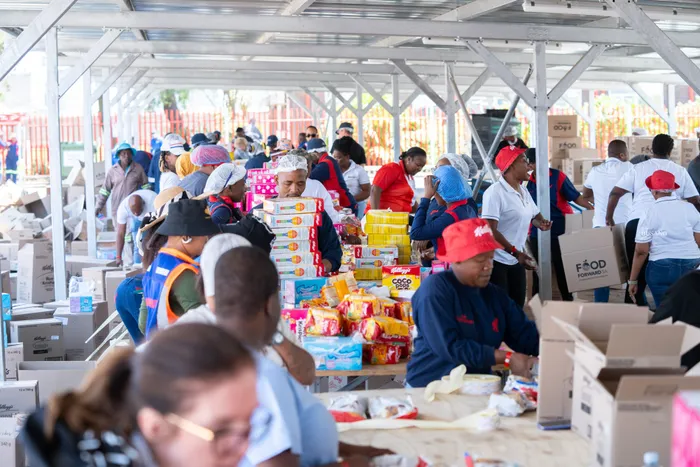
South Africa faces a hunger crisis rooted not in food scarcity, but in systemic failures to ensure equitable access to food, opportunity, and dignity for its citizens. This critical issue shows a broader challenge where the availability of food is not the primary barrier, but rather the mechanisms through which it reaches those in need. Approximately 22.2% of households across the nation currently experience inadequate or severely inadequate food access, noting the widespread nature of this problem. This food insecurity disproportionately affects rural provinces, with the Eastern Cape identified as particularly impacted by these systemic issues. The inability of existing systems to provide consistent and reliable access to nutritious food for a significant portion of the population points to deep-seated inequalities and structural inefficiencies. Addressing this crisis necessitates a full approach that looks beyond immediate relief to tackle the underlying causes of food insecurity, focusing on strengthening equitable distribution, enhancing economic opportunities, and upholding human dignity.
Hunger's Deep Connections
A child arriving at school hungry encounters significant obstacles to learning, concentration, and overall development, according to observations from the field. This direct impact on educational attainment further links food insecurity to long-term societal challenges. The inability to focus due to hunger can hinder a child's academic progress, potentially perpetuating cycles of poverty and limited opportunity. These connections highlight how food access is interwoven with public health, education, and economic stability within affected communities. For children, the immediate consequences of hunger manifest as reduced cognitive function, diminished energy levels, and increased susceptibility to illness, all of which impede their capacity to engage with and benefit from educational opportunities. Addressing hunger, therefore, extends beyond immediate sustenance to fostering environments conducive to growth and future prosperity, laying the groundwork for healthier, more educated, and economically stable generations.
Targeted Interventions
In response to these pressing needs, various initiatives are working to mitigate the impact of food insecurity. Kellogg’s South Africa’s Better Days Promise programme has delivered over 68 million meals to learners across Gauteng, KwaZulu-Natal, and the Eastern Cape since 2014. This long-standing commitment demonstrates a sustained effort to provide direct nutritional support where it is most needed. Aiming to expand its impact and foster sustainable solutions, Kellogg's launched the Better Days Gardens programme in Gauteng in 2024. This initiative has since supported more than 2,400 learners and 300 households through its activities, focusing on community-based food production. Further extending the reach of these efforts, five new school food gardens have been introduced in the Eastern Cape, a province particularly vulnerable to food insecurity. These new gardens in the Eastern Cape collectively reach approximately 2,400 learners, providing fresh produce and educational opportunities. The Better Days Gardens initiative focuses on cultivating sustainable food sources within school communities, empowering them with the tools and knowledge to grow their own food, thereby enhancing food security and promoting healthier eating habits.
Building Resilience and Dignity
Hunger is deeply connected to education, health, gender equality, and economic opportunity, according to observations from various initiatives. The absence of adequate nutrition can impede a child's ability to learn, affecting their educational outcomes and long-term prospects. Similarly, poor nutritional status has direct implications for public health, increasing susceptibility to illness and hindering physical development across all age groups. Addressing hunger is also seen as key for advancing gender equality, as women and girls often bear a disproportionate burden of food insecurity and its consequences, including reduced access to education and economic opportunities. Food access is intrinsically linked to economic opportunity, with improved nutrition contributing to greater productivity and economic stability for individuals and communities. When individuals are well-nourished, they are better equipped to participate in the workforce, pursue education, and contribute to their local economies, fostering a cycle of self-sufficiency and dignity. These connections show the systemic nature of hunger within societal frameworks, demanding integrated solutions that recognize its multi-faceted impact.