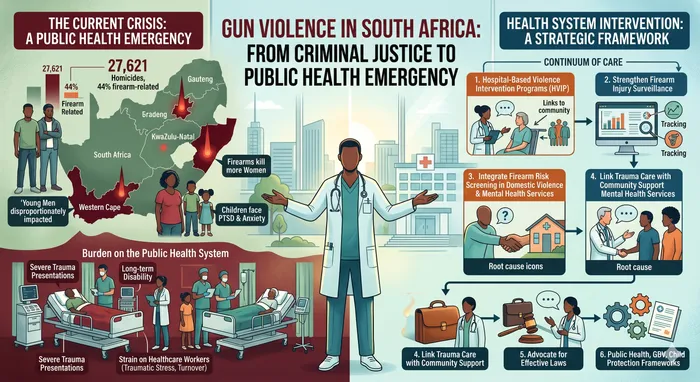
Gun violence in South Africa is meticulously monitored through specific police precincts, a key method for identifying critical areas where firearm-related crimes are most prevalent. This data-driven approach allows authorities to pinpoint the epicentres of gun violence across the nation. Recent analyses have revealed that the 10 most significant hotspots for firearm-related homicides, attempted murders, and gang-related shootings are predominantly distributed across three major provinces: the Western Cape, KwaZulu-Natal, and Gauteng. The consistent identification of these areas shows the concentrated patterns of gun-related criminal activity within these regions, posing significant challenges for public safety and law enforcement.
Western Cape's Critical Zones
Within the Western Cape, several precincts stand out due to their alarmingly high rates of gun violence. Delft consistently ranks at the very top of South Africa's murder and attempted murder statistics, indicating a persistent and severe challenge in the area. Nyanga, also located in the Western Cape, carries the historical and grim distinction of being dubbed South Africa's 'murder capital', reflecting a long-standing struggle with violent crime. Khayelitsha faces severe challenges, marked by frequent incidents of mass shootings and the widespread presence of extortion syndicates, which further destabilize the community. Mfuleni has witnessed a dramatic spike in gun violence over recent quarters, contributing significantly to the regional concern and demanding urgent attention. Meanwhile, Mitchells Plain is unequivocally identified as the epicentre of Cape Town's gang culture, indicating a highly concentrated area of organized criminal activity and associated violence. These locations collectively represent critical zones for firearm-related crimes within the province, necessitating targeted interventions.
KwaZulu-Natal's Deadly Precincts
KwaZulu-Natal also grapples with profound gun violence issues in several key areas. Inanda has historically been identified as one of the deadliest precincts in South Africa, a designation that shows the severity and persistence of violent crime in the region. Umlazi, another significant precinct in KwaZulu-Natal, routinely places among the top three national murder precincts, reflecting consistently high levels of violent crime year after year. Plessislaer, situated near Pietermaritzburg, experiences significant gun violence, which is frequently linked to ongoing conflicts within the volatile taxi industry and politically motivated assassinations. The prevalence of these incidents contributes substantially to the region's elevated crime rates and ongoing security concerns. These areas represent significant and complex challenges for law enforcement in managing and ultimately reducing gun-related criminal activity within the province.
Gauteng and Eastern Cape Concerns
Beyond the Western Cape and KwaZulu-Natal, other provinces are also contending with escalating gun violence. In Gauteng, Honeydew and Diepsloot, both located in northern Johannesburg, are identified as high-density sectors experiencing a severe influx of illegal firearms. This proliferation of illicit weaponry fuels much of the violence in these urban areas. In the Eastern Cape, Kwazakhele and New Brighton represent a growing pocket of gun violence. These areas, situated within Gqeberha (formerly Port Elizabeth), are characterized by a sharp rise in mass shooting incidents, indicating an emerging and concerning trend of concentrated firearm-related violence in the province.
Broader Context and Trends
The persistent issue of gun violence in South Africa is not isolated but reflects complex social and economic factors prevalent across the Western Cape, KwaZulu-Natal, and Gauteng. These identified trends indicate a clear pattern of concentrated criminal activity in urban and peri-urban areas, leading to sustained high rates of homicides and attempted murders. The detailed tracking through specific police precincts is key for understanding the scope and nature of the problem. Addressing the challenges in these identified hotspots requires full, data-driven interventions that consider the unique dynamics of each area, from gang culture and taxi wars to the influx of illegal firearms and the presence of extortion syndicates. The ongoing monitoring and analysis of these critical areas are essential for developing effective strategies to enhance public safety and reduce gun violence nationwide.