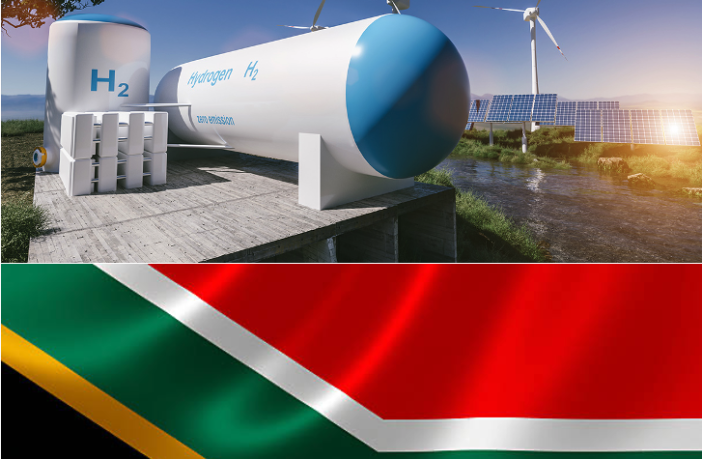
In August 2026, the SA-H2 Fund completed its initial fundraising, securing R3 billion. This significant investment marks a key milestone, as the fund reached its first close, demonstrating strong commitment to the nascent sector. The R3 billion is specifically designated to finance various projects throughout South Africa's green hydrogen value chain, aiming to catalyze development from production to end-use. The fund's objective is to support the development and implementation of green hydrogen initiatives within the country, fostering innovation and economic growth in this emerging energy sector. This initial capital injection is expected to unlock further investment and accelerate the progress of green hydrogen projects across the nation, positioning South Africa as a key player in the global green energy transition.
The Promise and Peril
Several South African Power-to-X projects have already advanced into feasibility and engineering stages, indicating tangible progress in the nation's green hydrogen ambitions. These projects are critical to developing the infrastructure necessary for hydrogen production and its derivatives, including green ammonia and sustainable aviation fuels. The advancement of these projects signifies a serious commitment to moving beyond conceptualization towards concrete development, laying the groundwork for future industrial applications and export opportunities. This progress is essential for South Africa to harness its abundant renewable energy resources and establish a competitive position in the global green hydrogen market.
However, the proliferation of green hydrogen initiatives also presents environmental considerations that demand careful attention. Green hydrogen is known to leak easily and can deplete atmospheric hydroxyl radicals. This depletion has the effect of extending the lifespan of methane, a potent greenhouse gas. Such a phenomenon raises significant concerns about its overall climate impact if leakage is not effectively managed throughout the entire value chain, from production and storage to transportation and end-use. The potential for methane lifespan extension shows the necessity for stringent monitoring, advanced leak detection technologies, and strong regulatory frameworks to ensure that green hydrogen truly contributes to climate mitigation rather than inadvertently exacerbating global warming.
Prioritizing People and Planet
Earthlife Africa has articulated a cautious and conditional stance regarding green hydrogen development in South Africa. The environmental organization stated that green hydrogen could contribute to a Just Transition, but only if specific conditions are met. Earthlife Africa's position is clear: the industry must put people, communities, and the environment ahead of rapid development and profit maximization. These conditions prioritize the welfare of individuals, local communities, and the natural environment, ensuring that the benefits of green hydrogen development are broadly shared and that potential negative impacts are mitigated. Earthlife Africa emphasized that the industry must place these considerations ahead of both accelerated development and the pursuit of maximizing profits, advocating for a development model that is equitable and sustainable. The organization's position suggests that a rapid expansion of green hydrogen projects, without adequate attention to social and ecological impacts, would undermine the principles of a Just Transition, potentially creating new forms of inequality or environmental degradation. This perspective notes the need for a balanced approach, ensuring that economic benefits do not overshadow the protection of human well-being and ecological systems. The call for prioritizing people and the planet reflects broader concerns about ensuring that new energy initiatives genuinely serve sustainable development goals and do not merely replicate past injustices or environmental harms.
Shaping a Fairer Future
South Africa's National Water Action Plan, released in July 2026, explicitly recognizes increasingly severe water-supply challenges across the country. This official acknowledgment shows the critical need for sustainable water management strategies as the nation pursues new economic development opportunities, including those in the green hydrogen sector. The plan notes the urgency of addressing water scarcity and ensuring equitable access to this vital resource for all communities, particularly as green hydrogen production can be water-intensive. Future industrial projects, particularly those that are water-intensive, will likely face heightened scrutiny regarding their water consumption and impact on local ecosystems, requiring innovative solutions for water recycling and desalination. The government's clear stance on water challenges signals a commitment to integrating water security into its broader development agenda, emphasizing the importance of balancing economic growth with environmental sustainability and the fundamental right to water. This integrated approach is key for ensuring that the expansion of the green hydrogen economy does not exacerbate existing water stresses but rather contributes to a more resilient and equitable future for all South Africans.