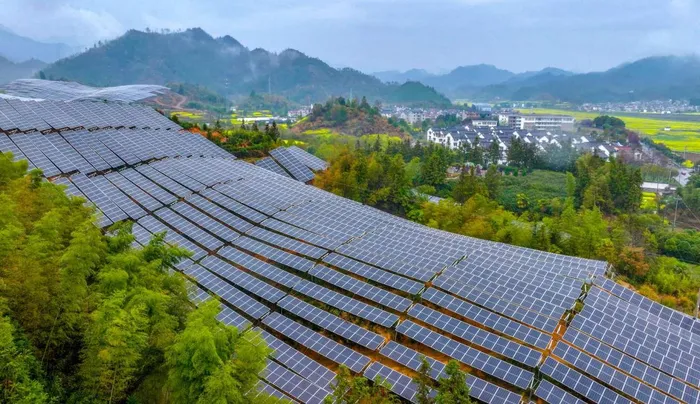
South Africa's green economy is projected to create 4.3 million jobs by 2050, indicating significant potential for employment growth across the nation. This forecast notes the sector's expanding role in the country's economic landscape and its capacity to address critical unemployment challenges. The substantial number of projected new positions shows a transformative shift towards sustainable practices within the economy. Despite this substantial growth outlook, challenges persist concerning workforce inclusivity and the quality of employment. Currently, women's participation in green jobs within South Africa stands at just 25% of the total workforce, revealing a notable gender disparity in the emerging sector. This low representation points to a need for targeted interventions to ensure equitable access and opportunities for all segments of the population as the green economy expands.
Projected Job Creation Figures
South Africa is projected to generate 4.3 million green jobs by 2050, with an interim target of 1.3 million green jobs by 2030. These ambitious targets reflect a strategic national commitment to a green transition. This growth trajectory differs significantly from most other African nations, where green job expansion is primarily driven by decentralized and service-led industries. In contrast, South Africa's green job growth is rooted in utility-scale infrastructure development. This focus on large-scale projects, such as renewable energy plants and extensive recycling facilities, is expected to be a primary driver of employment.
Key sectors identified for this job creation within South Africa's green economy include energy, particularly renewable energy generation and distribution; waste recycling, focusing on circular economy principles and resource recovery; and agriculture, specifically concentrating on cold-chain solutions to reduce post-harvest losses and improve food security. These areas are expected to be significant contributors to the overall employment figures, offering a diverse range of roles from skilled technical positions to management and operational roles. The emphasis on large-scale infrastructure projects shows a particular strategic direction for the country's green economic development, aiming to build foundational systems that support long-term sustainability and job creation. The 1.3 million green jobs anticipated by 2030 represent a key short-to-medium term milestone, laying the groundwork for the more extensive growth projected by mid-century.
Current Workforce Challenges
Current green workers in South Africa face significant income disparities, with more than 93% earning less than $5,000 (R81,000) annually. This indicates a widespread challenge in the financial compensation for individuals employed within the sector, raising concerns about the quality of these emerging jobs. Further noting this issue, two-thirds of the current green workforce in South Africa are reported to earn below the lowest income band. This statistic points to economic hurdles for a substantial portion of the workforce, suggesting that despite the sector's growth potential, many workers are struggling to achieve financial stability. The income figures suggest that while the green economy is expanding, the quality of employment and remuneration for many workers remains a concern, potentially hindering the sector's ability to attract and retain skilled talent. Addressing these income disparities will be key for ensuring the long-term sustainability and social equity of South Africa's green transition.
Broader African Context
Africa's renewable energy workforce presently constitutes just 2% of the global total. This low representation occurs despite the continent possessing a substantial portion of the world's natural resources vital for green energy development. Africa holds 60% of the world's best solar resources, indicating a significant potential for growth in renewable energy generation and associated employment. The disparity between resource availability and current workforce size suggests an underdeveloped sector with considerable scope for expansion across the continent. This vast untapped potential represents a significant opportunity for economic development and job creation throughout Africa.
Initiatives and Warnings
Projections indicate that Africa could see the creation of 3.8 million to 7.9 million jobs by 2030. This growth is anticipated to accelerate significantly in the subsequent decades, with further estimates suggesting that 65.9 million to 84.5 million jobs could be generated across the continent by 2050. These figures highlight the immense potential for the green economy to transform employment landscapes across Africa. In an effort to support this expansion and foster green employment, FSD Africa is launching the Green Jobs Innovation Hub. The hub aims to stimulate job creation within the burgeoning green economy, addressing the need for skilled labor and innovative solutions to meet future demands. This initiative is designed to bridge the gap between the continent's vast green resources and its relatively small current green workforce, ensuring that the benefits of this transition are widely distributed. However, realizing these ambitious job creation targets will require sustained investment, policy support, and concerted efforts to develop the necessary skills and infrastructure across the continent.