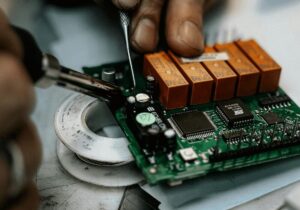
Refurbishers are emerging as a critical yet underdeveloped link within South Africa's electronic waste (e-waste) value chain, even as their potential remains largely untapped. Their role is growing in significance as the country's Extended Producer Responsibility (EPR) framework continues to develop and mature. This maturation of the regulatory environment notes the increasing importance of processes like refurbishment in achieving a more circular economy for electronics, diverting waste from landfills and extending product lifespans. The sector presents a significant opportunity to both manage e-waste more effectively and contribute to economic development through job creation and the supply of affordable, reconditioned devices. However, the current underdevelopment of this link in the value chain indicates a pressing need for further support and integration to realize its full potential. Successfully integrating and scaling refurbishment activities could profoundly impact South Africa's sustainability goals, offering a pathway to reduce environmental burdens while simultaneously fostering economic growth and social equity.
The E-Waste Landscape
South Africa's recycling ecosystem operates across multiple levels of capability, though policy development has not fully kept pace with these operational realities. The country's e-waste management system categorizes recyclers into five distinct tiers. Each tier denotes a different level of infrastructure, expertise, and processing capacity for electronic waste. This tiered system aims to provide a structured approach to managing the diverse types and volumes of e-waste generated across the nation. Understanding these tiers is fundamental to appreciating the complexities and opportunities within the South African e-waste sector. The varied capabilities across these five tiers of recyclers highlight the complex and segmented nature of the e-waste processing infrastructure in the country, showing the need for a full strategy that addresses each level.
A Tier 1 recycler represents the highest level of capability within this framework. Such facilities possess the necessary infrastructure and specialized tools to safely dismantle electronic products. They are equipped to thoroughly check individual components for remaining life expectancy, enabling the refurbishment of parts or entire devices. This capability is key for extending the lifespan of electronics and moving towards a more circular economy. The advanced processes employed by Tier 1 recyclers not only ensure environmental safety but also maximize resource recovery, preventing valuable materials from being lost to landfills. These facilities are often at the forefront of adopting new technologies and best practices in e-waste management, setting a benchmark for the entire industry. Their operations are vital for processing the most complex and hazardous electronic waste streams, ensuring that components are either safely recycled or prepared for reuse.
Despite the structured categorization of recyclers, the regulatory environment for e-waste management is still evolving. The Extended Producer Responsibility (EPR) framework, introduced in 2021, aims to hold producers accountable for the end-of-life management of their products. This framework has led to the establishment of Producer Responsibility Organizations (PROs). South Africa currently has 22 PROs actively operating within the e-waste space. These organizations play a key role in coordinating the collection, recycling, and safe disposal of electronic waste on behalf of producers, thereby shifting the financial and operational burden of waste management from municipalities to manufacturers. The presence of numerous PROs indicates a growing effort to manage e-waste more systematically and efficiently, fostering a more responsible approach to product lifecycles. However, the integration of advanced refurbishment capabilities, such as those found in Tier 1 recyclers, remains a key area for development within the broader EPR framework. The diverse capabilities across the five tiers of recyclers highlight the complex and segmented nature of the e-waste processing infrastructure in the country, necessitating a tailored approach to policy implementation and support for each tier.
Untapped Potential in Refurbishment
Refurbishment is the process of improving, repairing, cleaning, and re-equipping an existing piece of equipment to restore it to a “like-new” condition or to enhance its functionality. This careful process goes beyond simple repair, often involving significant testing and quality assurance to ensure the product meets specific performance standards. The goal is not merely to fix a broken item, but to revitalize it, giving it a new lease on life and making it appealing to a new set of consumers. This process is already prevalent in South Africa's informal economy, where repairing electronics is a common practice, particularly in areas with limited access to new, affordable devices. The informal sector has long demonstrated the viability and demand for repaired and reconditioned electronics, driven by economic necessity and a culture of making things last.
Consumer behaviour, however, continues to favour new purchases over refurbished products, influenced by socio-economic factors and public perception. Many consumers perceive refurbished items as inferior or less reliable than brand-new ones, a perception that often stems from a lack of transparency regarding refurbishment processes and warranties. This preference for new products creates a significant hurdle for the formal refurbishment sector, despite the environmental and economic benefits that refurbished goods offer. A significant portion of South Africa’s refurbishment activity takes place informally, particularly within township economies. Here, skilled technicians often operate small businesses, providing essential repair services and extending the life of electronics for their communities. These informal operations, while vital, often lack the scale, formal certifications, and consumer trust mechanisms that would allow them to compete more effectively with new product sales.
Despite this informal activity and consumer bias, the formal sector sees refurbishment as an area with considerable potential. The e-Waste Association of South Africa (eWASA) has identified refurbishment as a gap in the current e-waste management system and has invested in developing this segment. This investment acknowledges the critical need to formalize and scale up refurbishment efforts to contribute more effectively to a circular economy. EWASA's initiatives aim to create standards, provide training, and facilitate market access for formal refurbishers, thereby building consumer confidence and expanding the market for reconditioned goods. Internationally, companies like Apple demonstrate the viability of the refurbished market. Apple's certified pre-owned program sells refurbished electronics that come with warranties, indicating a successful model for building consumer trust and market share in this sector. This model provides a blueprint for how formal refurbishment can thrive, by offering assurances of quality and performance that can overcome consumer reluctance.
Formalizing the Value Chain
Integrating refurbishment into South Africa’s formal Extended Producer Responsibility (EPR) framework is seen as a critical step toward achieving a more circular economy for electronics. The current e-waste management system often views refurbishment primarily as an informal activity preceding recycling. Keith Anderson, a prominent figure in the e-waste sector, emphasized this point, stating, "Refurbishment should be treated as a formal EPR outcome, not only as an informal activity before recycling." This perspective suggests that by formally recognizing and incentivizing refurbishment, the lifespan of electronic products can be significantly extended, reducing the volume of waste requiring recycling or disposal. Formalizing this aspect of the value chain could also open avenues for regulated practices, quality control, and consumer confidence, which are often lacking in informal refurbishment markets. Such integration would align with broader sustainability goals by keeping valuable materials in use longer and minimizing the environmental impact associated with new product manufacturing and end-of-life processing. It would also create a more structured and transparent pathway for electronic devices to re-enter the market, complete with proper testing, certification, and potentially warranties, thus addressing consumer concerns about quality and reliability.
The global right-to-repair movement is beginning to influence South Africa’s e-waste landscape, pushing for greater accessibility to repair resources and information. This movement advocates for consumers and independent repair shops to have the tools, parts, and manuals necessary to fix electronic devices, rather than being forced to rely solely on manufacturers for repairs or replacements. The impact of this movement in South Africa could manifest in policy changes that support easier and more affordable repairs, thereby bolstering the formal refurbishment sector. By encouraging a culture of repair and reuse, the right-to-repair principles could help reduce electronic waste generation and foster local economic activity. This shift would complement efforts to formalize refurbishment by creating a more supportive environment for businesses and individuals engaged in extending the life of electronic goods. Such policies could include requirements for manufacturers to make spare parts and repair manuals readily available, and to design products that are easier to disassemble and repair. This would not only empower consumers but also create new opportunities for small and medium-sized enterprises (SMEs) in the repair and refurbishment sector, leading to job creation and skills development.
Broader Meaning and Future
Formalizing and scaling refurbishment activities could significantly reduce the volume of electronic waste generated in South Africa. By extending the useful life of electronic products, the demand for new raw materials decreases, along with the energy consumption and carbon emissions associated with manufacturing new devices. This approach also presents a substantial opportunity to create jobs, particularly within existing informal sectors like township economies, by integrating them into the formal value chain. This integration would provide formal employment, training, and better working conditions for individuals already engaged in repair activities, while also contributing to local economic development. A strong refurbishment sector would help to retain valuable materials within the country, extending their useful life and reducing the reliance on new imports. This strategic shift towards recognizing and developing refurbishment as a key component of the circular economy offers both profound environmental and socio-economic benefits for South Africa. It represents a pathway to a more sustainable future, where resources are conserved, waste is minimized, and economic opportunities are created for a broader segment of the population. The successful implementation of a formalized refurbishment sector within the EPR framework would not only position South Africa as a leader in sustainable e-waste management but also contribute significantly to its broader economic and social development goals.