South Africa's defence industry lekgotla commences on Monday, bringing together stakeholders to address the sector's future. This key event, which kicks off on Monday, is poised to set the agenda for the revitalization of a critical national asset. Siphiwe Dlamini, head of communications for the department of defence, stated it is "perhaps one of the most key – and most anticipated – defence events in the past 30 years." This gathering aims to discuss the revitalization of the industry, recognizing its dual role in national security and economic prosperity.
The department of defence claims that national security is intrinsically linked with economic strength, and a thriving defence industry can bolster both. Indeed, national security goes hand in hand with economic strength, and a flourishing defence industry can support both, creating a virtuous cycle of development and protection. According to the department, South Africa risks becoming a technology and price taker, reliant on foreign defence companies, if it fails to foster domestic collaboration. This concern notes the strategic importance of the lekgotla in shaping the country's defence capabilities and economic independence. The country faces the sovereign risk of becoming a technology and price taker dependent on other countries’ defence companies if it does not work together to strengthen its own capabilities.
Past Glory and Present Decline
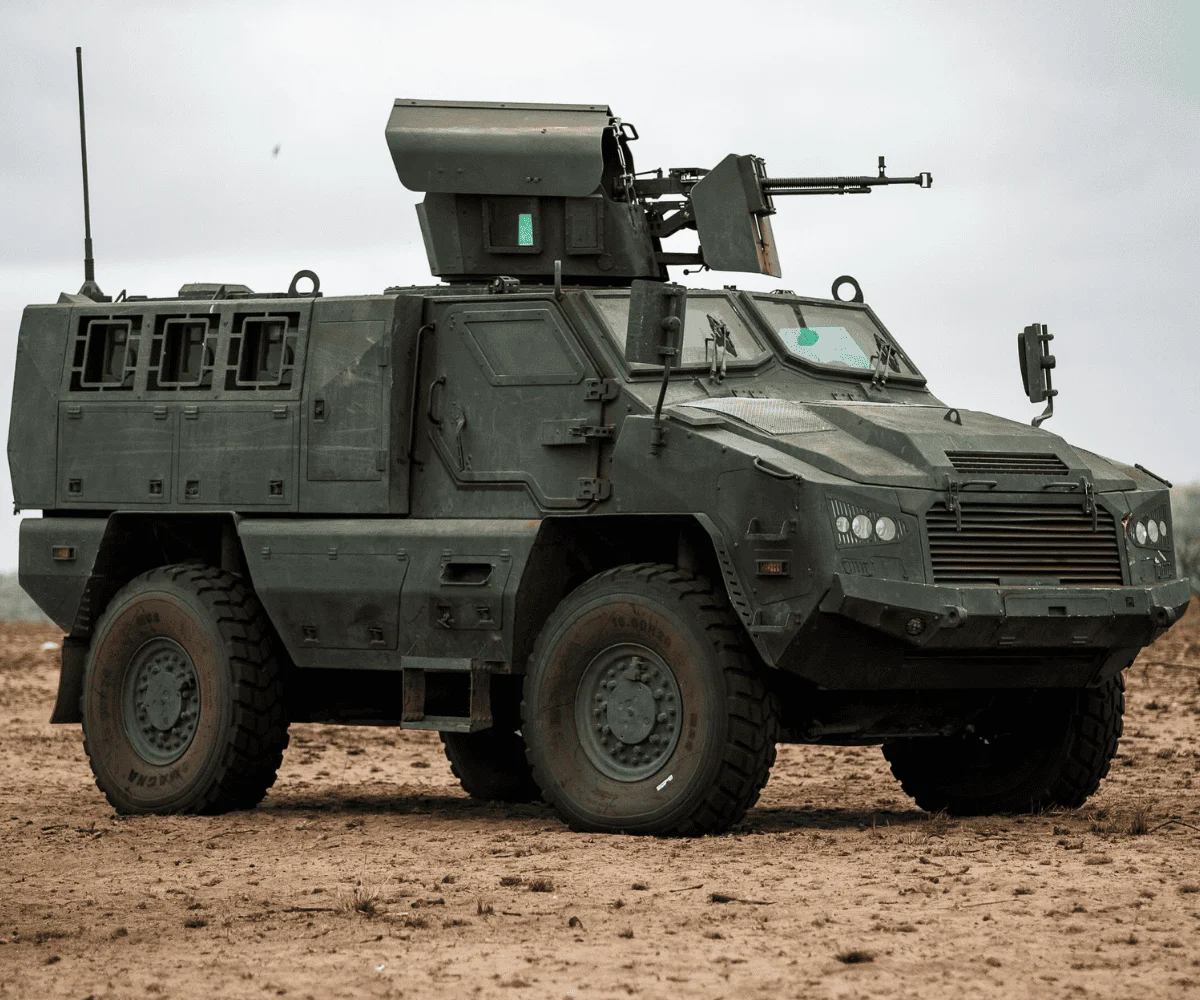
South Africa's local defence industry was once considered a global pioneer in mine-resistant ambush-protected vehicles during the 1990s. In the 1990s, South Africa had a thriving local defence industry regarded as a global pioneer in mine resistant ambush protected vehicles, setting international benchmarks for protective technologies. The country also deployed the first combat helicopter designed and built on the African continent, a testament to its advanced engineering capabilities at the time. South African scientists and engineers contributed significantly to defence technology in the 1990s, conducting pioneering work on unmanned aerial vehicles (drones), constructing surface-to-air missiles, and developing heads-up displays for pilots' helmets. These innovations showed the nation's capacity for advanced research and development.
However, the sector has experienced a substantial decline. Research and development spending has decreased to R1 billion annually. Today, the research and development spend has declined to R1 billion a year, a stark contrast to previous levels. Defence procurement has also fallen significantly, from approximately R26 billion to less than R5 billion over the same period. This dramatic reduction in investment has undoubtedly impacted the industry's capacity and global standing. Despite this, the South African defence ecosystem still comprises about 600 companies. These companies directly employ 20,000 people and indirectly support an additional 80,000 jobs, demonstrating the sector's continued, albeit diminished, economic footprint. The sector generates an annual turnover of just under R25 billion, with nearly 40% of this revenue attributed to exports, noting its international competitiveness even amidst domestic challenges.
Innovation and Economic Impact
Aerospace and defence industries are seen as critical drivers of economic innovation, incubating and advancing research and development across various sectors. Aerospace and defence sit at the apex of any economy, serving as vital incubators and drivers of research and development that have broad benefits beyond military applications. These industries frequently produce innovations that transcend military applications and find widespread civilian use. For example, the Global Positioning System (GPS), a ubiquitous technology today, emerged from defence sector research. Similarly, the microwave oven, a common household appliance, originated from early radar research conducted for military purposes. These innovations from the defence sector, including GPS and the microwave, which originated from radar research, exemplify the dual-use nature of military advancements.
The internet itself was initially conceived and designed as a strong platform for secure military communication, particularly intended for use during times of war. Its evolution has since transformed global communication and commerce, becoming an indispensable tool for societies worldwide. The ongoing advancements in artificial intelligence (AI) and the broader Fourth Industrial Revolution are profoundly altering the nature and strategies of warfare. These technological shifts are creating new demands and opportunities within the defence industry, simultaneously presenting challenges and potential for further innovation. The advent of AI and the Fourth Industrial Revolution are changing the theatres of war, demanding new strategies, technologies, and approaches to national defence. The integration of AI, for instance, is expected to reshape everything from logistics and intelligence gathering to autonomous systems and cyber defence capabilities, pushing the boundaries of what is possible in defence technology.
Securing the Future
The defence industry lekgotla offers an opportunity to rejuvenate and support the defence industry by bringing together government leadership and industry captains. The defence industry lekgotla provides an opportunity to rejuvenate and support the defence industry by bringing together government leadership and industry captains, fostering a collaborative environment essential for recovery and growth. Declining budget allocations have forced South African defence companies to find new markets and enter partnerships with other countries to survive. These partnerships often involve technology transfer and joint development projects, allowing local firms to maintain operational capacity and explore new revenue streams globally, thereby mitigating some of the domestic funding shortfalls.
The industry once sustained a significantly larger workforce and investment in innovation. In 1990, the defence industry employed about 130,000 people directly, with a research and development spend of approximately R6 billion. This historical context notes the scale of the sector's decline and the potential for revitalization, showing the urgent need for strategic intervention. The current lekgotla aims to address strategies for rebuilding this capacity, charting a course towards a more strong and self-reliant defence industrial base for South Africa.