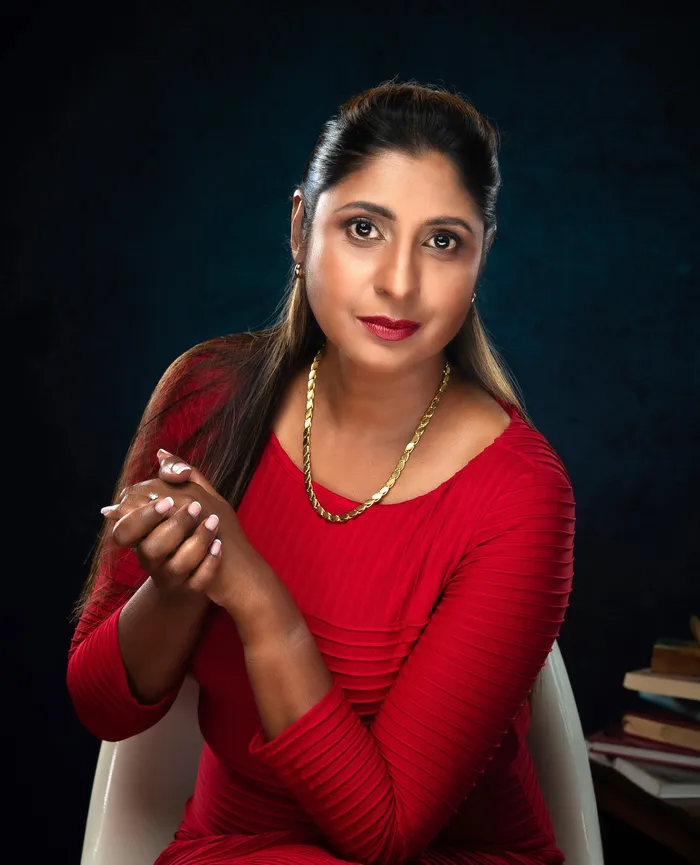
South Africa faces a dangerous crossroads, according to Turkmen Terzi, who argues the nation requires honest communication rather than louder slogans, more political theatre, or defensive nationalism. If South Africans do not openly and responsibly confront difficult realities, future generations risk paying a significant price. Terzi stated, "South Africa stands at a dangerous crossroads. The country does not need louder slogans or defensive nationalism. It needs honest communication." He further emphasized that if South Africans fail to confront difficult realities openly and responsibly, future generations may indeed pay a substantial price. The country risks following a similar path to Turkey, needing to choose wisdom over defensiveness in its current challenges. South Africa must choose wisdom over defensiveness to navigate the complex issues it faces today.
Lessons From Turkey's Narrative
History demonstrates that international narratives can rapidly solidify into permanent global perceptions. This historical pattern shows how quickly international narratives can harden into permanent global perceptions, shaping how a nation is viewed on the world stage for years to come. When nations choose to respond to criticism solely with defensiveness, silence, or propaganda, they often surrender control over their own story. This dynamic notes how perception can spread more quickly than truth. Indeed, perception spreads faster than truth, making the initial response to any challenge critically important. Countries that do not effectively explain themselves truthfully will find their narratives shaped by external actors, including outsiders, activists, political opportunists, and internet outrage. When nations respond to criticism only with defensiveness, silence, or propaganda, they effectively lose control of their own story, allowing others to define their identity and challenges. This can lead to a situation where countries that fail to explain themselves truthfully will have their stories written by outsiders, activists, political opportunists, and the relentless currents of internet outrage, often to their detriment.
South Africa's Post-Apartheid Triumph
South Africa achieved an extraordinary feat after apartheid by opting for reconciliation over widespread racial retribution. This choice represented something extraordinary: South Africa achieved something remarkable after apartheid by choosing reconciliation instead of large-scale racial revenge. Nelson Mandela and numerous others played a key role in establishing a democratic state where both black and white citizens could live together under a single constitution. This approach contrasted sharply with what might have been expected after decades of institutionalized oppression, where a desire for vengeance could have easily taken hold. The commitment to building a shared future was critical.
The African National Congress (ANC) notably refrained from pursuing mass retaliation against white South Africans following liberation in 1994. Prior to this, apartheid had systematically excluded the black majority in South Africa from full participation in the economy. This systemic exclusion, which lasted until 1994, created deep economic and social divides. The decision not to seek vengeance was a defining characteristic of the post-apartheid era, setting a precedent for peaceful transition and national unity. South Africa’s "miracle" was the willingness of its people to confront profound pain without sacrificing their humanity, according to observers of the period. This willingness to face pain without losing humanity was truly a miracle. This conscious choice set the nation on a unique path, distinguishing its transition from other post-conflict scenarios globally. The establishment of a unified, democratic government under a shared legal framework represented a significant departure from the country's segregated past. This commitment to a shared future, rather than dwelling on past grievances, underpinned the early years of the new South Africa, fostering a fragile but vital sense of common purpose.
The world watched as South Africa navigated this complex period, demonstrating a capacity for forgiveness and nation-building that inspired many. The principles of justice and equality were enshrined in the new constitution, aiming to dismantle the vestiges of apartheid and create a truly inclusive society. This period of transition was marked by intense negotiations and a delicate balancing act between addressing historical injustices and promoting reconciliation. The international community largely lauded South Africa's approach, seeing it as a beacon of hope for other nations struggling with ethnic or racial conflict. The legacy of Mandela and the ANC's restraint continues to be a cornerstone of the country's identity, even as new challenges emerge. The spirit of unity, forged in the crucible of post-apartheid transition, laid the groundwork for a multi-racial democracy that, despite its imperfections, remains a testament to human resilience and the power of dialogue.
Current Challenges and Perceptions
Modern global discourse around Turkey has increasingly become dominated by disputes over the Armenian tragedy, the Cyprus issue, Kurdish conflicts, and accusations surrounding state violence. These long-standing and often emotionally charged issues have significantly shaped international perceptions of Turkey, making it difficult for the nation to present a unified and positive image abroad. In a similar vein, South Africa has hosted millions of African migrants and refugees over decades. People from Zimbabwe, Mozambique, Somalia, Ethiopia, Nigeria, the Democratic Republic of Congo, and many other countries came seeking safety, opportunity, and dignity in South Africa, viewing it as a land of promise and stability in a turbulent continent.
However, critical international perceptions have also emerged regarding South Africa. US President Donald Trump and some foreign commentators accuse South Africa of targeting white farmers and promote claims of "white genocide." These accusations, often amplified through various media channels, contribute to a negative narrative that can overshadow other aspects of the country. Simultaneously, countries such as Nigeria, Kenya, and Ghana increasingly criticize South Africa over xenophobic violence against African migrants. These criticisms highlight a complex narrative developing around the nation, one that grapples with both internal challenges and external scrutiny. The juxtaposition of these differing criticisms creates a multifaceted and often contradictory image of South Africa on the global stage.
On social media platforms, isolated incidents frequently become global headlines within hours, amplifying both real and perceived issues. This rapid dissemination of information means that national responses to these incidents are closely scrutinized internationally, often with immediate and widespread judgment. The speed at which information travels means that even a single event can quickly shape global opinion, making effective and timely communication absolutely essential. Turkmen Terzi emphasized the importance of confronting these issues directly. Terzi stated, "Denying xenophobia entirely does not solve xenophobia. Dismissing farm attacks as “just crime” without acknowledging the fears surrounding them does not build trust either." This suggests that open and honest communication about these challenges is key for South Africa's international standing and internal cohesion. Failing to address these perceptions head-on allows the narrative to be shaped by those outside the country, often with incomplete or biased information.
The challenge for South Africa, therefore, is not merely to address the underlying issues but also to manage the perception of these issues globally. This requires a proactive approach to communication, one that acknowledges complexities and demonstrates a commitment to resolving problems rather than simply deflecting criticism. The international community, accustomed to instant updates and viral content, demands transparency and accountability. The country's ability to articulate its struggles and its efforts to overcome them will be key in shaping its future reputation. In an interconnected world, where information flows freely and opinions are formed rapidly, the absence of a clear and honest national narrative can be profoundly damaging.
Embracing Ubuntu and Honest Dialogue
A mature society strengthens itself by admitting problems, rather than weakening itself, according to Turkmen Terzi. He firmly believes that a mature society does not weaken itself by admitting problems; rather, it strengthens itself through such honesty. Countries gain global respect when they confront difficult issues with honesty and transparency. This approach fosters trust and credibility on the international stage, demonstrating a commitment to truth and progress. The real spirit of South Africa is Ubuntu, a belief that emphasizes a person’s humanity through their connection with others. Ubuntu, the belief that a person becomes human through other people, is at the core of South African identity. This philosophy is evident daily among the 65 million people in South Africa, who are observed greeting each other warmly, smiling in the streets, assisting neighbors, and naturally blending languages and cultures while continuing to coexist despite significant pressures. Ubuntu is seen every day in ordinary life: 65 million people greeting one another warmly, smiling in the streets, helping neighbors, mixing languages and cultures naturally, and continuing to live together despite enormous pressures.
This inherent spirit of interconnectedness and mutual respect offers a powerful foundation for addressing current challenges. The Ottoman Empire, for instance, demonstrated international solidarity by sending aid ships to Ireland during the Great Famine. This historical act provides a precedent for nations engaging constructively on difficult issues, showcasing how humanitarian gestures can transcend political boundaries and historical grievances. Such acts of compassion and global responsibility resonate deeply and build lasting goodwill. A new generation of educated, free-born black South Africans is now entering global business, diplomacy, academia, and international networks, representing the country on a wider stage. This emerging generation, unburdened by the direct experience of apartheid, brings fresh perspectives and energy to the task of shaping South Africa's future and its global image. Their engagement in international forums provides a key opportunity to articulate South Africa's narrative with nuance and authority.
By embracing the principles of Ubuntu and fostering honest dialogue, South Africa can navigate its complex domestic issues and counter negative international perceptions. This means openly discussing challenges like xenophobia and farm attacks, acknowledging the fears and realities on all sides, and working towards solutions that reflect the nation's core values. The strength of a nation lies not in its ability to deny its imperfections, but in its courage to face them head-on and strive for continuous improvement. This commitment to transparency and self-reflection will ultimately bolster South Africa's standing as a resilient and responsible member of the global community, capable of learning from its past and building a more equitable future for all its citizens.