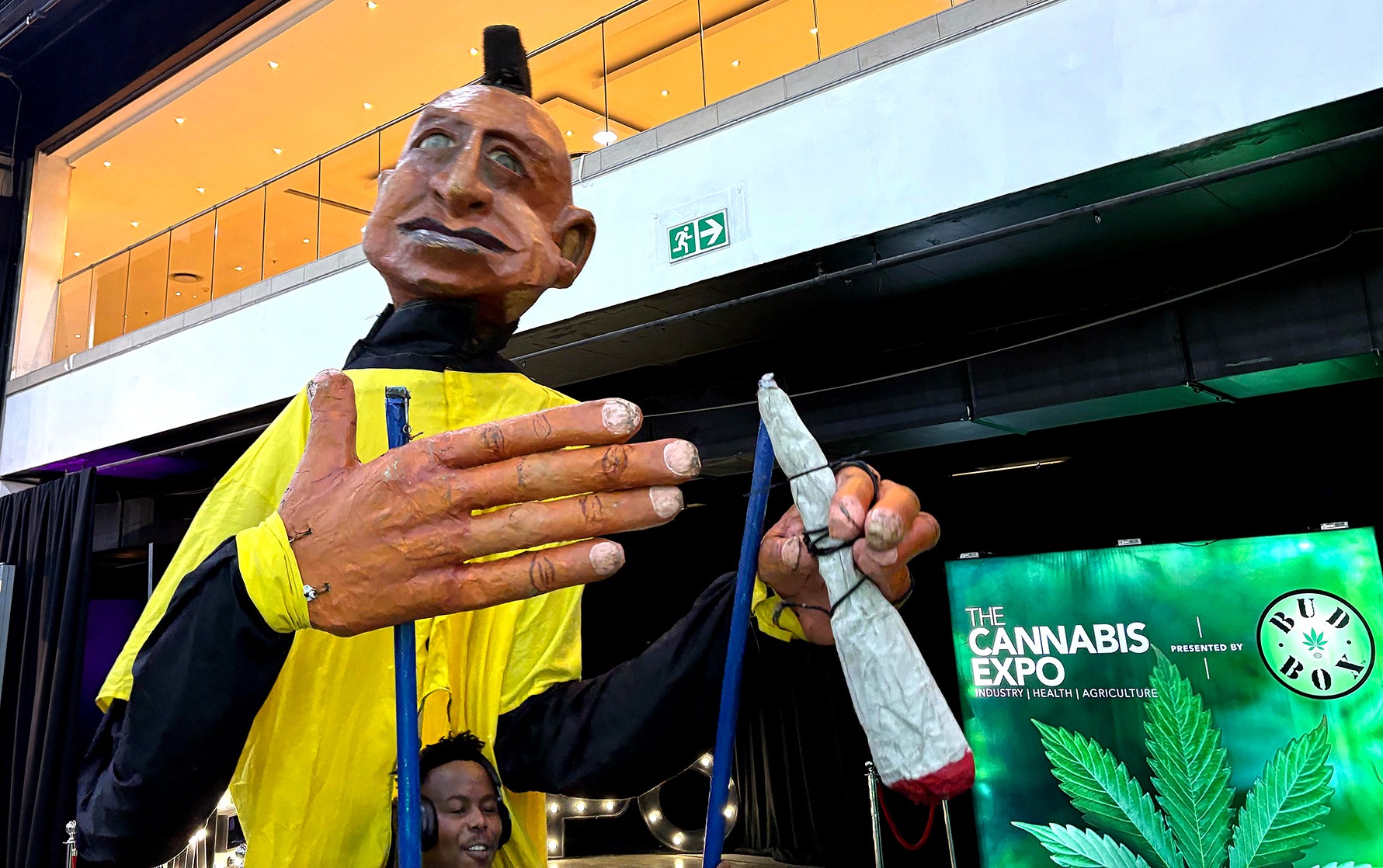
The annual Cannabis Expo convened at the Sandton Convention Centre, showcasing industry growth in South Africa. The event featured 132 businesses represented on the show floor, a testament to the sector's burgeoning potential. Despite the Constitutional Court's 2018 ruling, which decriminalized the private use and cultivation of cannabis, it remains illegal to trade cannabis seeds within South Africa, noting persistent regulatory gaps. This legal ambiguity continues to be a point of contention for many stakeholders operating within the nascent industry.
Expo Showcases Industry Momentum
Exhibitor participation at this year's expo was 12% higher than in 2025, indicating growing interest and confidence within the cannabis market. Kendel Falkson, an Expo spokesperson, observed a significant shift in market sentiment compared to previous years. "Last year, there was a great deal of uncertainty, frustration and, frankly, confusion within the market," Falkson stated, reflecting on the challenges faced by businesses. "This year, there is a noticeable sense of momentum. Government signalling around retail licensing and broader cultivation frameworks has shifted sentiment from cautious and defensive to optimistic and opportunity-driven." This positive outlook permeates discussions among attendees and exhibitors alike, suggesting a turning point for the industry.
This renewed optimism follows a period of ambiguity regarding the legal status of cannabis. The landmark apex court ruling in 2018 established that adult South Africans possessed a constitutional right to grow and partake of cannabis for personal consumption. This ruling, while progressive, created a complex environment where personal use was legal but commercial activities remained largely unregulated. Despite this ruling, the legal framework for commercial cultivation, processing, and retail has been slow to develop, contributing to market uncertainty in previous years. The current sentiment expressed by Falkson suggests that recent government communications have provided clearer direction, encouraging businesses to engage more actively in the sector. The increased exhibitor presence at the expo reflects this evolving perspective and the industry's readiness to expand within South Africa, with companies eager to capitalize on anticipated regulatory clarity.
Persistent Legal and Policy Gaps
Government communications regarding retail licensing and broader cultivation frameworks have reportedly shifted industry sentiment from cautious and defensive to optimistic and opportunity-driven. This shift indicates a perception of progress within the cannabis sector, with many hoping for a more streamlined regulatory pathway. However, the practical implementation of these frameworks remains a critical concern for businesses looking to invest and grow. The industry is closely watching for concrete legislative changes that will enable a fully functional commercial market.
Despite this reported optimism concerning government signaling, significant grey areas persist within the cannabis sector, with industry stakeholders indicating that the government is not moving fast enough to clarify regulations. One such glaring inconsistency is the continued illegality of trading cannabis seeds, even though the Constitutional Court's 2018 ruling effectively made personal cultivation legal. This creates a challenging environment for home growers and commercial entities alike, who struggle to legally acquire the foundational components for cultivation. The discrepancy between official communication and the pace of regulatory development continues to pose challenges for businesses operating or seeking to enter the market. The industry seeks clearer, more expeditious policy implementation to fully capitalize on the potential of the South African cannabis market, which many believe holds substantial economic promise. Without such clarity, investment and job creation may be stifled.
International Perspectives and Opportunities
The South African government's engagement with the emerging cannabis industry was evident at the Expo, with the Department of Trade, Industry and Competition, the Gauteng Department of Agriculture and Rural Development, and the Small Enterprise Development and Finance Agency all maintaining stands. This presence shows a growing recognition of the sector's economic potential and the need for governmental support and guidance.
International opportunities also featured prominently, with Stephano Majawa, a director of the Lusaka-based cannabis consultancy Prosper Sievu Investments, noting Zambia's potential. Majawa described the cannabis sector in Zambia as a multibillion-dollar business, presenting a compelling case for cross-border investment and collaboration. He detailed the significant land resources available for cultivation in Zambia, offering a distinct advantage for large-scale operations. "There are 100,000 hectares in Zambia available for hemp for industrial purposes and 10,000 hectares available for medical cannabis," Majawa stated, emphasizing the vast agricultural capacity. He added, "We want investors in Zambia in this space," extending an open invitation to international businesses looking to expand their footprint in Africa. This perspective shows the broader African interest in developing commercial cannabis industries, not just for domestic consumption but also for export, positioning the continent as a significant player in the global cannabis market. The discussions at the expo noted the interconnectedness of African nations in building a strong and regulated cannabis economy.