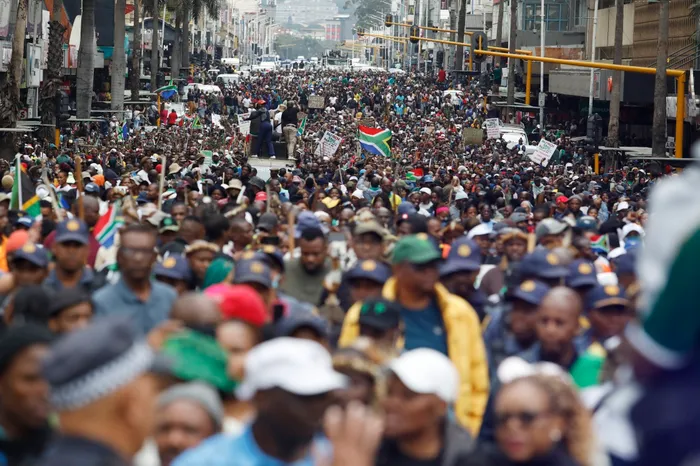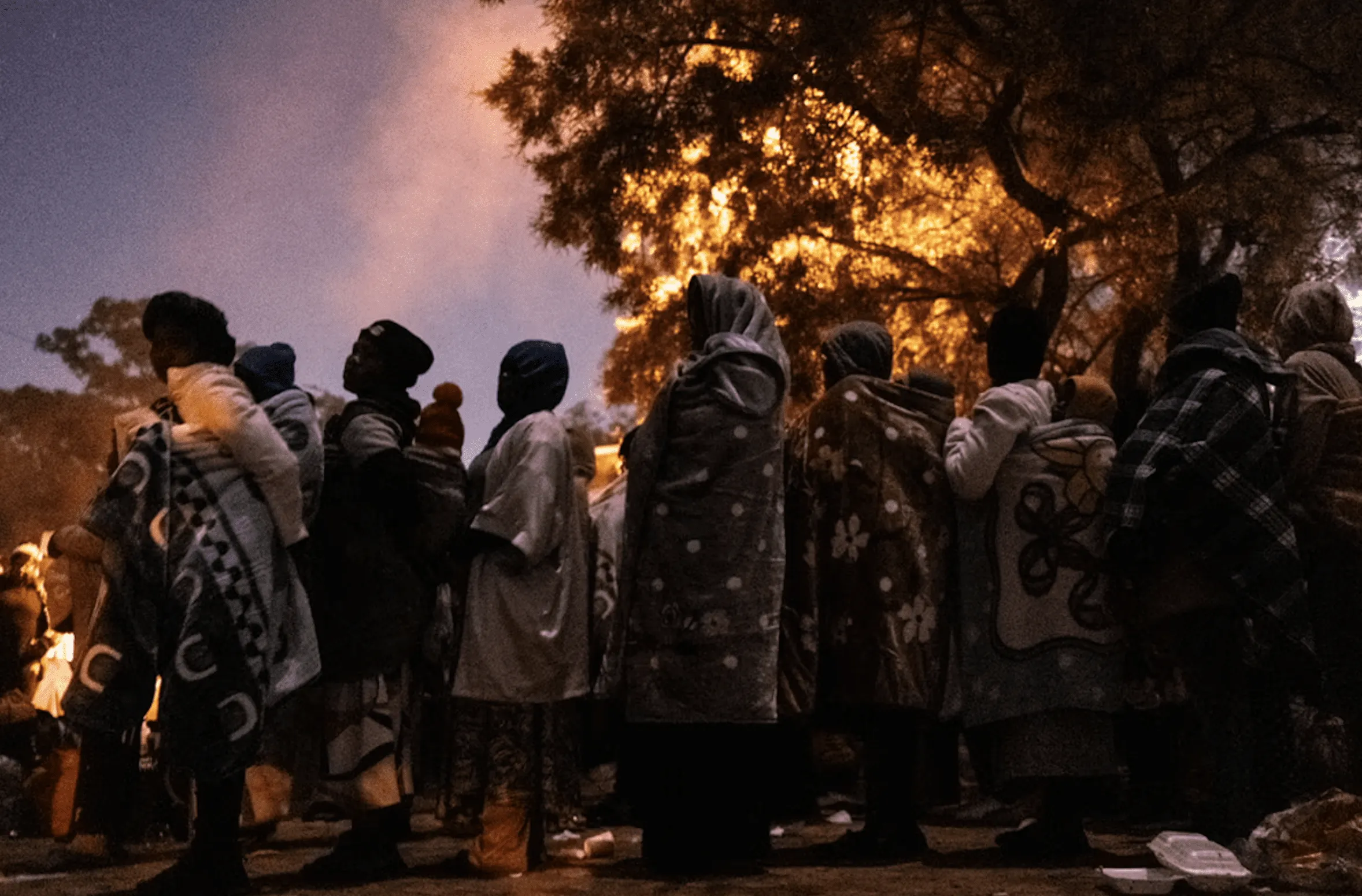
Tens of thousands of people in South Africa were displaced on June 30 as anti-migrant protests and associated violence escalated, forcing them to abandon their homes. On this date, large numbers of individuals were compelled to leave their residences, seeking safety and refuge. Many sought shelter in public spaces such as parks and churches, while others sought protection at consulates, noting the urgent need for humanitarian assistance. The widespread disruption shows the immediate and severe impact of the anti-migrant campaign on civilian populations across the country, creating a significant humanitarian challenge. This displacement has left many vulnerable and without stable accommodation, further exacerbating their precarious situation.
Healthcare Under Threat
The warnings regarding healthcare access follow the June 30 deadline set by anti-migrant groups for undocumented migrants to leave South Africa. This ultimatum has had immediate and concerning repercussions on medical services for a significant portion of the population. Doctors Without Borders (MSF) teams in Musina recently encountered two individuals with active tuberculosis who had been reportedly chased away from a clinic. This incident is not isolated, but rather shows growing concerns about migrants' ability to access essential healthcare services in the country, especially for conditions requiring ongoing treatment and consistent follow-up. The disruption of care for chronic and infectious diseases poses a serious risk not only to the individuals affected but also to broader public health. Concerns remain heightened for vulnerable populations needing critical medical attention, as fear of harassment or rejection prevents them from seeking necessary care. The deadline has instilled a climate of fear, directly impacting health-seeking behaviors.
Broader Public Health Risks
The challenges extend across various regions. Zimbabwean migrants residing in Louis Trichardt in Limpopo have reported being turned away from clinics or warned that their current chronic medication collection would be their last. Such actions interrupt vital treatment regimens for conditions like HIV, diabetes, and hypertension, which require continuous medication. Meanwhile, Doctors Without Borders (MSF) has initiated an emergency humanitarian response across several South African provinces, acknowledging the gravity of the situation. This response covers Gauteng, KwaZulu-Natal, the Western Cape, and the Musina-Beitbridge border region, areas identified as particularly affected by the anti-migrant activities. The organization's intervention follows recent weeks of heightened anti-migrant activity, which has reportedly impacted access to essential medical services for vulnerable populations, including those with chronic illnesses and infectious diseases. The reported disruptions raise significant concerns about the broader public health implications, particularly for managing chronic diseases and preventing the spread of infectious conditions, which rely on consistent access to diagnosis and treatment. The inability of individuals to access care creates potential for outbreaks and worsening health outcomes for entire communities.
Calls for Action and Rights
In response to these alarming developments, various organizations and government bodies have voiced their positions. Section27, a prominent public interest law centre, asserts that all individuals in South Africa possess the constitutional right to access healthcare services, irrespective of their nationality or immigration status. This legal interpretation emphasizes the universal nature of healthcare rights enshrined in the country's constitution. In response to the ongoing situation, Healthcare Workers Against Xenophobia (HCWAX), a coalition comprising doctors, nurses, researchers, and public health practitioners, has called upon healthcare workers to address the humanitarian needs of displaced migrants. HCWAX urges medical professionals to uphold their ethical obligations and provide care without discrimination. Additionally, an inter-ministerial government committee on migration has condemned acts of intimidation targeting migrants. The committee issued a stern warning that no individual or community group is authorized to enforce immigration laws or conduct searches of homes, businesses, or public spaces, reiterating that such powers rest solely with authorized state agencies. These calls for action highlight the urgent need for a coordinated and rights-based approach to address the crisis.