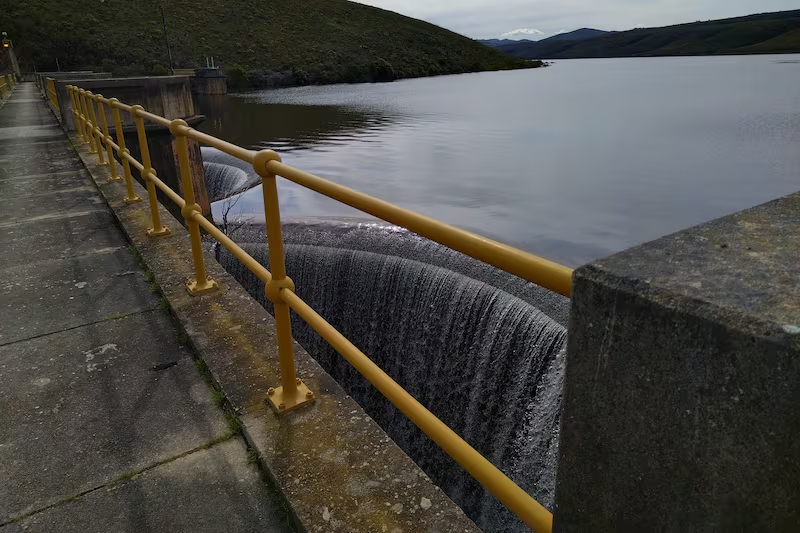
South Africa's agricultural sector is facing forecasts of hot temperatures and reduced rainfall from October to December due to an El Niño weather pattern, according to the South African Weather Service. The South African Weather Service has warned that hot temperatures and lower-than-usual rainfall are specifically forecast for the country from October to December, intensifying concerns for water-reliant sectors. Despite this outlook, the country's national average dam levels are significantly higher than during a previous drought. Absa reported that national dam levels stood at 95.5% as of August, a substantial increase compared to 55% recorded in the same month of 2016. This strong starting position suggests a greater capacity to withstand the impending dry conditions.
Stronger Water Reserves
National average dam storage has remained consistently high, with peak levels reaching 93% during the 2023/24 period. These levels further increased to approximately 95% in 2024/25, ultimately standing at 95.5% by August of this year. This consistent elevation in water reserves provides a more strong buffer against potential drought conditions compared to previous El Niño events. The sustained high levels across multiple periods show a significant improvement in water management and replenishment efforts.
Individual provinces also demonstrate strong storage capacities. The Free State reported exceptionally strong dam levels at 100.2%, while the North West maintained even higher storage at 102.9%. These figures indicate that key agricultural regions possess significant water resources to mitigate the impact of reduced rainfall and hotter temperatures forecasted for the upcoming months. The elevated provincial and national dam levels are a critical factor in the agricultural sector's preparedness, offering a substantial advantage over past drought cycles. This strong water security is a testament to effective water resource management and favorable rainfall patterns leading up to the current period.
Resilience and Adaptation Measures
A strong El Niño event has formed in the Pacific Ocean and is likely to intensify into a very strong event during the spring, according to meteorological observations. In anticipation of this weather pattern, the department of agriculture has urged crop farmers to implement climate-smart agricultural practices. The department of agriculture specifically urged crop farmers to implement climate-smart agriculture that will conserve soil moisture and preserve water as the country braces for the El Niño weather pattern. These measures are designed to conserve soil moisture and preserve water resources across the country as it prepares for the potential impact of El Niño. Farmers are being advised to adopt techniques that enhance water use efficiency and reduce vulnerability to drought conditions, building on earlier preparations within the sector. Such proactive strategies are key for maintaining agricultural productivity despite climatic challenges.
Expert Outlook and Cautions
South Africa's agricultural sector is entering the current El Niño cycle from one of its strongest starting positions in recent years, despite some regional variations in water reserves. While national dam levels remain high, some provinces are tracking below their previous year's capacities. Dam capacity in the Western Cape stood at 80.2%, while KwaZulu-Natal recorded 87%, and the Northern Cape reported 88.6%. These figures indicate that water levels in these specific provinces are lower compared to the same period last year, suggesting localized vulnerabilities even as the overall national outlook remains positive. The disparity notes the need for continued vigilance and targeted interventions in regions with comparatively lower water reserves. Despite these regional variations, the overall national preparedness is significantly enhanced by the high average dam levels, offering a more optimistic outlook for the agricultural sector's resilience during the anticipated El Niño event.