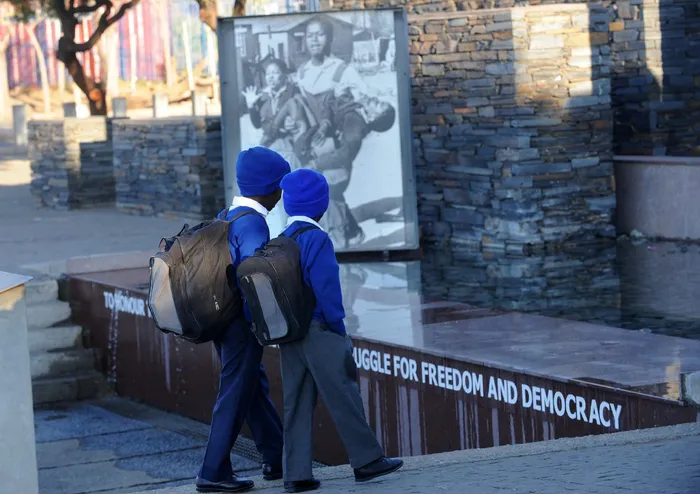
Xenophobic violence targeting foreign nationals, predominantly from African and Asian countries, resurged across South Africa's major urban centers, including Johannesburg, Pretoria, Durban, and Mossel Bay, between April and June 2026. The attacks resulted in at least ten reported deaths among foreign nationals. Citizens of Mozambique and Ethiopia were among those killed, with Mozambique confirming five fatalities among its citizens in Mossel Bay, and Ethiopian authorities reporting deaths involving their nationals elsewhere in the country. Thousands of people were displaced from their homes and businesses due to the unrest. Following the violence, several nations, including Malawi, Ghana, Nigeria, Mozambique, and Kenya, organized repatriation efforts for their distressed citizens. Malawi specifically arranged transportation to return hundreds of its nationals from Durban and surrounding areas. This wave of unrest notes the persistent and complex challenges South Africa faces in managing social cohesion and addressing underlying tensions. The targeting of foreign nationals, primarily from African countries but also from parts of Asia, shows a disturbing pattern of discrimination and violence that has periodically flared up in the country. These incidents not only cause immense suffering to the victims but also raise serious questions about South Africa's commitment to human rights and regional solidarity.
Echoes of Apartheid and Governance Failures
Anti-immigrant sentiment in South Africa is traced to migration systems established during apartheid. The country transitioned to democracy in 1994, marking a significant shift in its political landscape. This historical context is key for understanding the roots of current xenophobic attitudes, as the apartheid regime implemented strict controls over movement and residency, creating a legacy of suspicion towards those perceived as "outsiders." Despite this transition, challenges persist within governance structures, notably impacting immigration processes. The Department of Home Affairs currently faces a backlog of more than 161,000 asylum appeal cases, indicating significant administrative hurdles. This backlog not only creates uncertainty for asylum seekers but also contributes to a perception of unregulated migration, which can fuel anti-immigrant narratives. The sheer volume of unresolved cases points to systemic inefficiencies and a lack of capacity within the department to process applications in a timely and equitable manner.
Further complicating the situation for migrants and asylum seekers, refugee reception offices have been closed in several areas across South Africa. These closures limit access to official channels for individuals seeking protection or legal residency, forcing many into precarious situations without proper documentation or legal status. The reduction in accessible services exacerbates the vulnerability of foreign nationals and makes it harder for them to integrate into society or seek redress for grievances. This administrative barrier inadvertently pushes many into informal sectors, where they are often exploited and face heightened risks. The economic environment also plays a role in the social tensions observed. South Africa faces one of the highest unemployment rates in the world, with broad unemployment estimated at more than 43 percent. This high unemployment rate contributes to competition for scarce resources and opportunities, which some observers link to the grievances expressed during xenophobic incidents. The widespread joblessness creates a fertile ground for scapegoating, where foreign nationals are often unfairly blamed for economic woes and a perceived scarcity of jobs. The backlog in asylum cases and the closure of key reception offices highlight systemic issues within the government's approach to managing migration and integrating foreign nationals, suggesting a need for full reform and increased investment in administrative capacity. These governance failures, combined with historical legacies, create a complex environment where xenophobia can take root and escalate into violence.
Organized Extremism and Disinformation Campaigns
Organized anti-immigrant groups, including Operation Dudula and March and March, were active in South Africa during the recent period of xenophobic attacks. These groups have been identified as contributors to the heightened tensions surrounding foreign nationals. Their activities often involve public demonstrations, intimidation tactics, and the propagation of anti-immigrant rhetoric, which can incite violence and deepen divisions within communities. The presence and influence of such organized groups show the deliberate nature of some of the anti-immigrant sentiment, moving beyond spontaneous outbursts to more coordinated efforts. A significant amount of misinformation and disinformation also circulated online, frequently featuring manipulated videos and fabricated crime reports that targeted immigrant communities. This digital propaganda plays a key role in shaping public perception and legitimizing xenophobic attitudes. The rapid spread of false narratives through social media platforms can quickly escalate tensions, leading to real-world consequences and fueling distrust between communities. These online campaigns often exploit existing fears and economic anxieties, presenting foreign nationals as a threat to national security, employment, or social order, despite evidence to the contrary.
Migrants constitute a small percentage of South Africa’s population, and they contribute to local economies, according to various analyses. This fact often gets lost amidst the rhetoric of organized anti-immigrant groups and the spread of disinformation. Studies have shown that migrants often fill labor gaps, start businesses, and contribute to the tax base, thereby enriching the economy rather than burdening it. The upcoming November 2026 local government elections in South Africa have coincided with increased anti-immigrant rhetoric. This political climate has been linked by some observers to the targeting of foreign nationals, as politicians may use anti-immigrant sentiment to garner support or deflect attention from other pressing issues. The politicization of migration issues can exacerbate xenophobic tendencies, transforming individual prejudices into a broader social and political problem. This cycle of political opportunism, organized agitation, and online disinformation creates a dangerous environment for foreign nationals living in South Africa.
In response to the xenophobic incidents, South African companies such as MTN Group and Standard Bank have faced calls for boycotts in other African countries. These calls have emerged as a form of protest against the violence targeting foreign nationals within South Africa, demonstrating the regional impact and reputational damage caused by these attacks. The economic repercussions of such boycotts can be significant, affecting South African businesses operating across the continent and potentially leading to job losses within South Africa itself. This international backlash serves as a stark reminder of the interconnectedness of African economies and societies, and the broad consequences of internal social unrest.
A Test for Democracy and Regional Ties
Justice Minister Mmamoloko Kubayi warned that xenophobic violence is damaging South Africa’s international reputation and weakening regional relations. Kubayi emphasized the broader implications of such incidents, stating that they undermine South Africa's standing on the international stage and strain its diplomatic ties with neighboring countries. The Minister's remarks highlight concerns within the government regarding the impact of continued unrest on the nation's foreign policy objectives and its role within the African continent. The repeated outbreaks of violence against foreign nationals have drawn criticism from various international bodies and human rights organizations, further complicating South Africa's efforts to project an image of stability and democratic governance. The minister’s statement showed the challenge these attacks pose to maintaining constructive relationships with regional partners, particularly those whose citizens are frequently affected by the unrest. The perception of South Africa as a welcoming and inclusive nation, a cornerstone of its post-apartheid identity, is severely eroded by these recurring acts of violence. This erosion of trust jeopardizes not only diplomatic relations but also economic cooperation and cultural exchange across the continent.
The humanitarian impact of such violence has been significant, with more than 5,000 people seeking emergency shelter in KwaZulu-Natal alone from earlier incidents. This displacement figure from a single province illustrates the scale of internal migration caused by the attacks and the immediate need for protective services for affected individuals. The provision of emergency shelter becomes a critical response in these situations, offering temporary refuge to those forced from their homes and businesses. Such large-scale displacement places considerable strain on local resources and humanitarian organizations, demanding coordinated efforts from various government departments and civil society groups to address the basic needs of the displaced populations. This situation also shows the vulnerability of affected communities and the challenges in ensuring their safety and reintegration. The psychological trauma experienced by those who have fled violence, often leaving behind their livelihoods and possessions, represents another profound and long-lasting consequence. Addressing this humanitarian crisis requires not only immediate aid but also long-term strategies for peacebuilding, social integration, and economic recovery for affected communities. The recurring nature of these attacks presents a profound test for South Africa's democratic institutions and its commitment to upholding human rights for all residents, regardless of their origin.