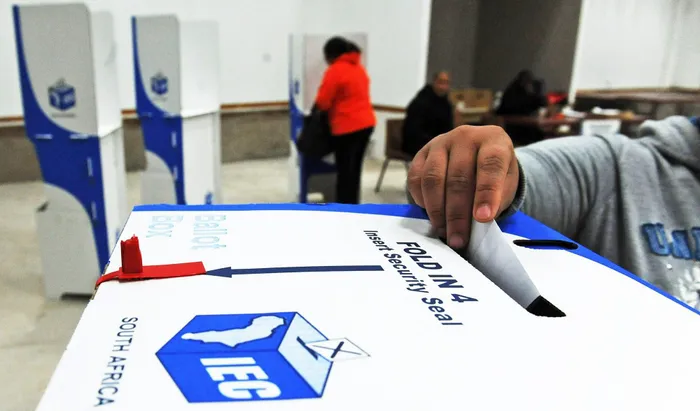
South Africans will participate in national elections on November 4, facing a ballot where daily needs and practical concerns are expected to overshadow traditional ideological divides. The upcoming vote is anticipated to reflect a populace primarily focused on issues directly impacting their livelihoods.
Voters' Daily Concerns
For many South African voters, the upcoming election centers on immediate personal and economic challenges. Thobeka Mnguni, a 21-year-old University student, indicated her vote is directly tied to her future and job prospects. Mnguni stated, "I am not voting for a party name or a history lesson. I am voting so that when I finish my degree, there’s an actual job waiting for me. My vote is about my future."
Similarly, Sipho Makhabela, a 42-year-old small business owner, emphasized the importance of functional public services. Makhabela explained, "Every time the power cuts or the roads deteriorate, my business takes a hit. I’m voting for basic competence—for reliable services, working infrastructure, and economic stability." The focus for voters like Makhabela remains on tangible improvements to daily life.
Marcus Fourie, a 38-year-old working parent, noted the rising cost of living as a primary driver for his electoral choice. Fourie noted, "I am not looking at party manifestos anymore—I'm looking at my grocery receipts. I'm voting for whoever actually has a plan to make life affordable again." This sentiment shows a widespread concern about economic pressures.
Margaret Zondo, a 67-year-old pensioner, expressed a desire for fundamental security and respect from the government. Zondo stated, "I have watched promises come and go for decades. When I cast my vote, I am not asking for miracles—I am voting for basic dignity: safe streets, reliable healthcare, and a government that respects older citizens." Her remarks reflect a long-term perspective on governance and essential services.
Voices of the Electorate
South African voters are increasingly demanding tangible results from their elected officials, prioritizing safer streets, job creation, and improved infrastructure. Elena Williams, a 58-year-old pensioner, articulated this focus, stating that her vote is driven by immediate community concerns. "When you live in a neighbourhood where crime keeps families indoors after dark, politics isn't abstract," Williams said. "I’m voting for safe streets, accountable policing, and a community where my grandchildren can play outside."
Similarly, Aisha Van Zyl, a 24-year-old job seeker, expressed frustration with political promises that do not translate into practical opportunities. Van Zyl emphasized a desire for concrete policy outcomes over abstract political discourse. "They keep calling us the future, but we are struggling in the present," Van Zyl remarked. "I'm voting against empty rhetoric and for any policy that creates real, sustainable entry-level jobs." These sentiments highlight a common thread among voters: a demand for direct and measurable improvements to their daily lives and future prospects.
Shifting Political Priorities
South African voters increasingly view their ballot as a declaration of daily needs rather than an affirmation of party ideologies. This shift reflects a broader public sentiment prioritizing tangible improvements to living conditions over traditional political affiliations. Concerns about job availability, reliable public services, and the cost of living have become central drivers for electoral choices. The electorate appears to be moving away from historical loyalties, focusing instead on candidates and parties that demonstrate a capacity to address immediate, practical challenges affecting households and communities across the nation. This emphasis on practical outcomes shows a pragmatic approach to the upcoming election.