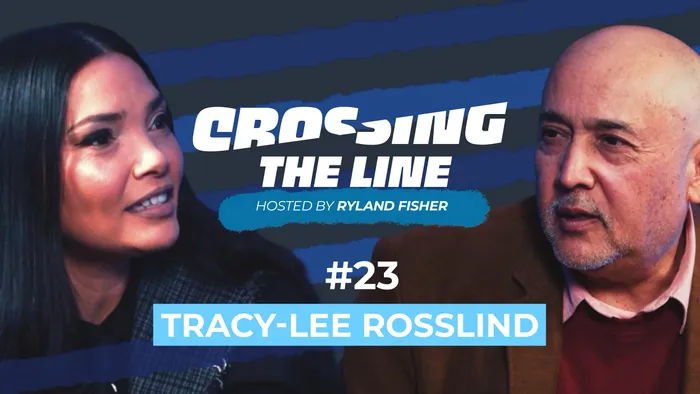
Award-winning stylist and entrepreneur Tracy-Lee Rosslind, who began her career in the fashion and entertainment industry at nine years old, recently noted the profound impact of xenophobic attacks in South Africa. Rosslind described the attacks as "heartbreaking and infuriating," emphasizing the historical solidarity within Africa and the deep-seated connections that have long bound the continent together. Her remarks showed a critical concern about the erosion of unity and mutual support among African nations.
"My father travelled throughout Africa extensively, especially during the apartheid era," Rosslind stated, recalling a period when cross-border support was vital for South Africa's liberation. "If it wasn’t for our African brothers and sisters, we would still be under apartheid. I don’t know where South Africans think our weapons and our training came from." She expressed concern that xenophobia risks dismantling African unity and economic potential, arguing that such sentiment undermines the very foundations upon which South Africa's freedom was built. "The ridiculous thing is that, because of xenophobia, South African businesses are going to lose revenue," she added, predicting significant economic repercussions. "We are going to dismantle ourselves once again as a continent, jeopardizing the progress made towards regional integration and prosperity." Rosslind believes that due to xenophobia, South African businesses will indeed lose revenue, and the continent will dismantle itself, reversing key steps towards economic cooperation and stability.
A Stylist's Journey and Awakening
Tracy-Lee Rosslind recently traveled to Nigeria, where she was awarded the fashion stylist of the year at a major event, a testament to her significant contributions to the industry. Rosslind, a South African entrepreneur, maintains a demanding schedule, stating she works 18 hours a day, with emails being sent from 5 am to 11 pm, reflecting her dedication and commitment to her craft and business ventures. Her relentless work ethic has been a hallmark of her career since she first entered the fashion and entertainment industry as a nine-year-old, building a foundation for her current success. The news outlet IOL currently features one interview from Crossing the Line weekly as part of its partnership with the organization, providing a regular platform for voices like Rosslind's to share their insights and experiences. This collaboration ensures that important narratives, such as Rosslind's reflections on xenophobia and continental unity, reach a broader audience, fostering dialogue and understanding.
The Economic Fallout of Fear
Tracy-Lee Rosslind traveled to Nigeria at the beginning of last December for what was supposed to be a 10-day trip, but she ended up staying the full 30 days her visa allowed, a decision influenced by her experience there. Rosslind holds the view that xenophobia poses a threat to the economic stability of South African businesses, predicting a loss of revenue and the potential dismantling of the continent's progress. She firmly believes that this negative sentiment will lead to tangible financial losses for South African enterprises, thereby undermining the collective economic advancement of African nations. She stated that the cannabis industry presents an opportunity for individuals to build generational wealth, noting its potential as a burgeoning sector that could offer significant economic upliftment. This perspective shows her belief in innovative economic pathways, contrasting sharply with the destructive nature of xenophobia.
A Call for Continental Unity
Tracy-Lee Rosslind stated that she felt a greater sense of security in Nigeria, noting she could walk at night with her cell phone, an experience that led her to realize she felt she was living in a "prison" in South Africa. This profound realization showed her concerns about the safety and freedom within her home country, particularly in contrast to her experience abroad. The South African stylist has also made investments in the cannabis industry within South Africa, demonstrating her commitment to fostering economic growth and opportunity within her own nation. Rosslind described the cannabis sector as one of the "most exciting industries," noting its potential for growth and economic opportunity, and further emphasizing her belief that the cannabis industry offers an opportunity to create generational wealth for people, thereby contributing to broader economic empowerment and stability. Her advocacy for this industry reflects a forward-thinking approach to economic development, which she contrasts with the regressive impact of xenophobia.