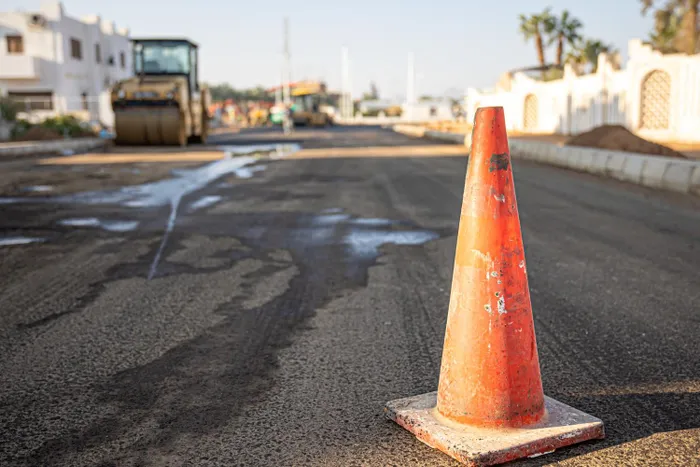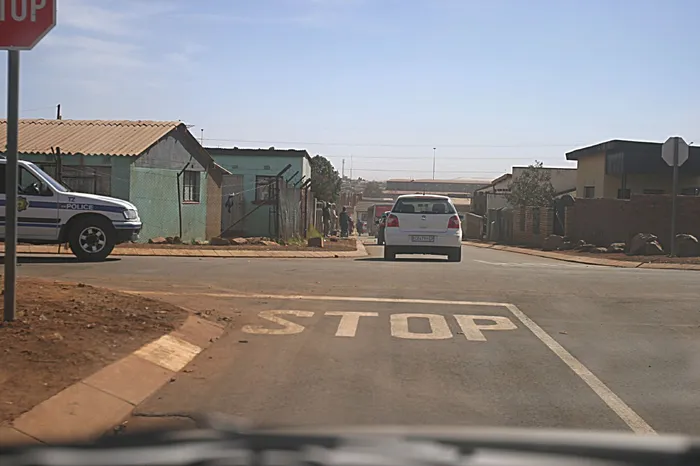
Across South Africa and the wider African continent, investments in road infrastructure, specifically the upgrade from gravel to tar, are significantly influencing property values. Such upgrades have been observed to increase surrounding property values by double-digit percentages within a few years. This improvement in infrastructure enhances accessibility, contributing to less vehicle damage for residents and businesses, and reducing overall transport friction. Indeed, improved accessibility leads directly to less wear and tear on vehicles and a reduction in the logistical challenges associated with poor road conditions, which in turn lowers operational costs for businesses and daily commuters. The enhanced connectivity and reduced logistical hurdles subsequently expand development opportunities, making previously inaccessible land viable for various types of development. Indeed, across South Africa and Africa, upgrading from gravel to tar can significantly increase surrounding property values, sometimes by double-digit percentages in just a few years. This substantial increase shows the direct economic benefits of such infrastructural improvements.
When accessibility improves, there is shorter, safer, and more reliable travel that leads to costs decreasing for both individuals and businesses. This reduction in transport friction and vehicle damage directly impacts operational expenses and daily commutes. The benefits extend beyond mere convenience, fostering an environment where economic activity can flourish more efficiently. Opportunity then expands, and land becomes viable for development, opening up new avenues for commercial and residential projects.
Construction Sector's Evolution
South Africa's construction industry has undergone significant growth, resilience, and reinvention over the past five decades. This remarkable story reflects a sector that has continuously adapted to changing circumstances. Many companies that were once dominant in the sector experienced transformations due to evolving economic conditions, reductions in public infrastructure spending, fierce competition, cost overruns, governance failures, and changing market demands. These pressures reshaped the industry, forcing a re-evaluation of strategies and operational models. The industry's journey through these challenges has forged a more strong and adaptable sector, capable of navigating complex economic landscapes while still contributing significantly to national development.
Currently, the construction sector operates as a leaner and more specialised industry. This evolution has led to a greater focus on financial discipline, attracting private-sector investment, and developing projects in critical areas such as renewable energy, logistics, and water infrastructure. The adoption of digital construction technologies also plays a key role in the industry's modern approach, enhancing efficiency and project delivery. This strategic shift towards specialisation and technological integration allows the sector to address specific national needs with greater precision and effectiveness. Construction has the potential to become one of South Africa's most important drivers of economic growth, job creation, and long-term national development. Its capacity to stimulate ancillary industries and provide widespread employment makes it a cornerstone of national progress. This sector not only builds physical structures but also lays the groundwork for sustained economic vitality, creating opportunities across various related industries and fostering a skilled workforce.
Infrastructure as Investment
When accessibility improves, travel becomes shorter, safer, and more reliable, leading to a decrease in associated costs. This visible investment in infrastructure often signals future growth, which in turn elevates confidence levels. Confidence rises as visible investment signals future growth, creating a positive feedback loop for economic development. Well-placed infrastructure is observed to create growth rather than merely follow existing development trends, actively shaping the economic landscape. This proactive approach to infrastructure development positions it as a catalyst for new opportunities, drawing in further investment and stimulating economic activity in previously underserved areas. The country has spent decades investing in shopping centres, offices, and warehouses, establishing a precedent for significant capital allocation into built environments. These past investments highlight a long-standing understanding of how physical infrastructure underpins economic activity and societal advancement. The strategic deployment of resources into infrastructure creates a foundation upon which further economic expansion can be built, demonstrating a sustained commitment to national development. This commitment is key for fostering a stable and predictable environment that encourages long-term private sector engagement and investment.
Water: The Next Frontier
The next generation of Infrastructure Real Estate Investment Trusts (REITs) may own systems vital for urban survival, representing a shift in investment focus. The next generation of Infrastructure REITs may own something even more valuable: the systems that keep cities alive. Water is emerging as a critical infrastructure asset class, according to industry observers. Gap Infrastructure Corporation (GIC) stated, "The question isn't whether roads add value. It's whether the country is building them where that value can multiply." This perspective extends to other essential infrastructure, particularly water resources.
Oil underpinned the wealth generation of the previous century, with water poised to become the foundation for resilience in the coming decades. This paradigm shift notes the increasing strategic importance of water resources globally. Water is the next infrastructure asset class, signifying its growing recognition as a foundational element for societal stability and economic prosperity. Oil built the wealth of the last century, and water may build the resilience of the next, reflecting a fundamental change in what is considered the most critical resource for future development. Population growth, increasing urbanization, and the effects of climate change are collectively rendering clean water one of the most strategically scarce resources globally. This growing scarcity elevates the importance of water infrastructure as a key investment area, essential for ensuring the sustainability and habitability of urban centres and broader regions. Investing in strong water infrastructure is not merely an economic decision but a critical step towards securing future societal well-being. The intensifying pressures of a growing global population and the unpredictable impacts of climate change show the urgency of prioritizing water management and infrastructure development to mitigate future risks and ensure sustainable access to this vital resource.