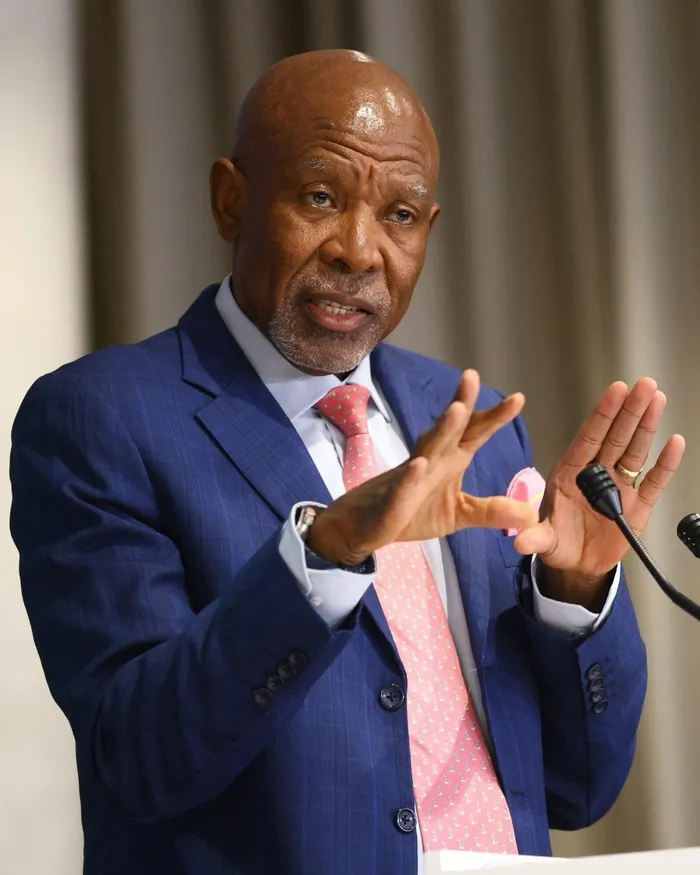
The South African Reserve Bank (SARB) increased its benchmark interest rate by 25 basis points to 7% on Thursday, May 28, with the new rate effective from May 29. Lesetja Kganyago, Governor of the South African Reserve Bank, announced the decision by the Monetary Policy Committee (MPC). The Governor detailed that the MPC had decided to increase the policy rate by 25 basis points, bringing it to 7%, a change that took effect the following day. This rate hike was broadly anticipated by market observers, reflecting the SARB’s continued emphasis on managing inflation expectations and ensuring long-term price stability in South Africa. This proactive stance shows the central bank's commitment to its mandate amidst evolving economic conditions.
Monetary Policy Committee Decision
The Monetary Policy Committee (MPC) of the South African Reserve Bank concluded its meeting with a decision to raise the repo rate by 0.25%. This increment directly translates to the 25 basis point increase in the benchmark interest rate. This increase was not unanimous among the committee members, noting the careful deliberation involved in monetary policy formulation. Four members of the MPC voted in favour of the rate hike, indicating a majority consensus for the adjustment, showing their belief in the necessity of the measure to curb inflationary pressures. However, two members of the committee preferred to keep the rate unchanged, suggesting some internal deliberation regarding the appropriate monetary policy stance and perhaps a differing view on the immediate economic outlook. The outcome reflects the central bank's ongoing strategy as communicated by the South African Reserve Bank, aiming to anchor inflation expectations and support economic stability.
Property Market Dynamics
The South African Reserve Bank's decision to raise the prime lending rate to 10.50% reflects a response to various economic pressures. This adjustment to the prime lending rate is a direct consequence of the increase in the repo rate. Geopolitical tensions in the Middle East, rising fuel costs, and persistent inflationary risks within the economy have collectively influenced this adjustment, creating a complex environment for policymakers. This increase in the prime lending rate directly impacts borrowing costs for consumers and businesses, including those in the property sector, making loans more expensive. The central bank's stance aims to mitigate broader economic instabilities by tightening monetary conditions, thereby attempting to cool down potential overheating in certain sectors and manage overall price levels.
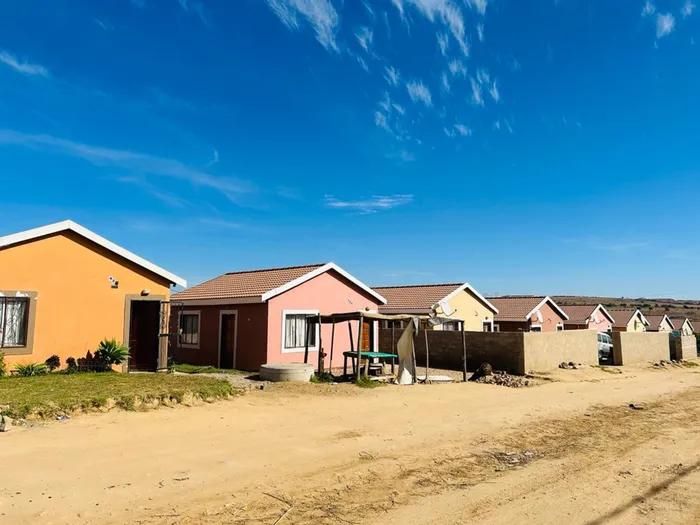
Despite these monetary policy adjustments, the property market has shown significant activity and resilience. Home prices for both first-time and repeat buyers have reached record highs, indicating a strong period of growth within the sector. This surge represents the strongest growth recorded since the recovery phase following the 2020 pandemic, suggesting sustained demand in the housing market. The upward trend in property values indicates that, for now, the market retains considerable momentum, driven by various underlying factors that support property investments and purchases, such as demographic shifts, urbanisation, and a desire for homeownership. This sustained activity suggests that while borrowing costs are rising, other market forces are currently strong enough to maintain a buoyant property sector.
Further supporting the market's activity, bond applications have seen a substantial year-on-year increase of 6.2%. This rise in applications for home loans suggests continued buyer interest and confidence in acquiring property, even amidst a rising interest rate environment. The increase in bond applications points to an ongoing willingness among prospective homeowners and investors to engage with the property market, despite the higher cost of borrowing. This indicates that underlying demand remains strong, contributing to the overall dynamics of the South African property sector and showcasing a degree of resilience among buyers. The volume of applications suggests that many are still pursuing property acquisitions, perhaps viewing it as a sound long-term investment despite the immediate financial implications of higher interest rates.
Expert Reactions and Outlook
Annual consumer inflation in South Africa increased to 4.0% in April, up from 3.1% recorded in March, according to data released by Statistics South Africa. This rise in inflation figures provides a key economic indicator informing the South African Reserve Bank's monetary policy decisions, as it signals persistent price pressures. The central bank's Monetary Policy Committee (MPC) views July as an important meeting, where the possibility of another interest rate increase remains under consideration. This indicates ongoing vigilance regarding inflation and economic stability, suggesting that future adjustments to the repo rate are not ruled out should inflationary trends persist or accelerate. The April inflation data notes persistent price pressures within the economy, influencing the SARB's approach to maintaining its inflation target range of 3-6%, and reinforcing its commitment to price stability. The MPC's forward guidance suggests that policy decisions will continue to be data-dependent, with a close watch on inflation metrics and broader economic indicators.