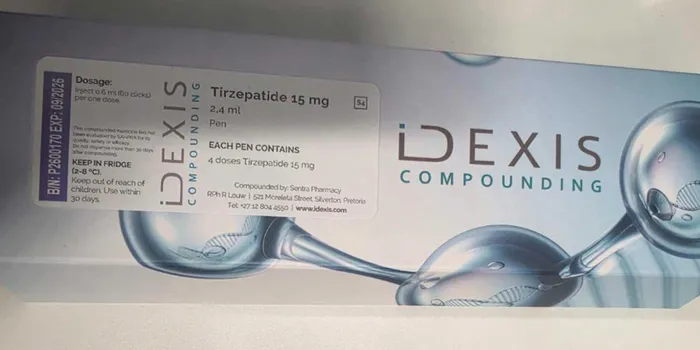
The South African Health Products Regulatory Authority (SAHPRA), in collaboration with the South African Pharmacy Council (SAPC), has initiated enforcement actions against the unlawful manufacture and distribution of unregistered GLP-1 medicines. These medicines are commonly used for weight loss. The joint operation targeted facilities involved in these activities, leading to significant seizures. All GIP/GLP-1 injectable products discovered at the site of the enforcement action were confiscated by the authorities. This coordinated effort marks a regulatory push against unauthorized pharmaceutical practices within South Africa, aiming to safeguard public health and ensure compliance with pharmaceutical standards.
Pharmacy's Operations Under Scrutiny
Inspectors determined that iDexis (Pty) Ltd was manufacturing and marketing GIP/GLP-1-based products, including semaglutide, tirzepatide, and combination formulations, for broader commercial distribution, specifically for weight management purposes. SAHPRA's inspection revealed critical regulatory non-compliance at the facility. These issues included the illegal importation of active pharmaceutical ingredients (APIs), the absence of analytical testing to confirm identity, potency, and purity of the products, inadequate sterile manufacturing conditions, and a high risk of contamination in its operations. The findings noted a significant departure from the stringent requirements for pharmaceutical production, raising serious questions about product safety and efficacy.
The room used by iDexis for producing GLP-1/GIP products allegedly did not meet the necessary requirements for aseptically prepared products. This deficiency is particularly concerning for injectable medications, where sterile conditions are critical to prevent infections and other adverse health outcomes. Despite the regulatory findings, iDexis stated it had dispensed its compounded product to a large number of individuals. "To date we have dispensed our S&T compounded peptide product to 214 406 patients on prescription of their treating clinicians through the practices of their clinicians, or retail pharmacies of choice, without any reports of adverse reactions or conditions, only reports of great success and gratitude being expressed," iDexis said. The company further accused SAHPRA of attempting to improperly influence the outcome of an ongoing court case. "We are of the opinion that the impugned findings of SAHPRA are nothing other than unsophisticated attempts orchestrated to improperly influence the outcome of the court case, especially in the light of the official investigation by SAHPRA launched in 2025 into the desirability of compounding peptides, in respect of which SAHPRA has not published any findings to date," iDexis added. This strong rebuttal indicates a deep division between the regulatory body and the pharmacy, setting the stage for a contentious legal battle.
Regulatory Concerns and Seizures
On May 11, 2026, the South African Health Products Regulatory Authority (SAHPRA) and the South African Pharmacy Council (SAPC) conducted a joint inspection at iDexis (Pty) Ltd, which trades as Sentra Pharmacy in Silverton, Pretoria. During this inspection, SAHPRA noted a complete absence of a pharmacovigilance system to monitor or respond to potential adverse drug reactions from the products. The lack of such a system is a critical regulatory breach, as it prevents the timely detection and management of safety issues that may arise from medication use. The regulatory body also has received reports of adverse events, including hospitalisations, linked to the use of these products manufactured by iDexis. These reports show the potential health risks associated with unregulated and improperly manufactured pharmaceutical products.
Following the findings, all GIP/GLP-1 injectable products found on the site were seized by authorities, effectively halting their distribution from that location. IDexis was instructed to initiate a full recall of all affected products that had been distributed through healthcare providers, pharmacies, and other channels. This recall order is a standard regulatory measure aimed at removing potentially unsafe products from the market and protecting consumers. Despite these significant regulatory actions, iDexis maintained that its products have been safely used. "To date we have dispensed our S&T compounded peptide product to 214 406 patients on prescription of their treating clinicians through the practices of their clinicians, or retail pharmacies of choice, without any reports of adverse reactions or conditions, only reports of great success and gratitude being expressed," iDexis stated. The company further suggested that SAHPRA's actions were an attempt to influence ongoing legal proceedings. "We are of the opinion that the impugned findings of SAHPRA are nothing other than unsophisticated attempts orchestrated to improperly influence the outcome of the court case, especially in the light of the official investigation by SAHPRA launched in 2025 into the desirability of compounding peptides, in respect of which SAHPRA has not published any findings to date," iDexis added.
Broader Context and Legal Fight
The ongoing dispute between iDexis (Pty) Ltd and the South African Health Products Regulatory Authority (SAHPRA) is slated for a hearing in the Gauteng High Court in Pretoria on June 10 and 11, 2026. The legal proceedings concern the regulatory status and manufacturing practices of iDexis's GLP-1 products, with the outcome potentially setting a precedent for compounded medications in South Africa. The court will deliberate on the validity of SAHPRA's findings and the legality of iDexis's operations, particularly regarding the compounding and distribution of these weight-loss drugs.
An industry expert noted the significant financial scale of the market for these peptides, indicating sales in the hundreds of millions. With individual vials priced at R1,500, the total revenue generated from sales is estimated to exceed R320 million. This financial aspect shows the commercial interests involved in the legal challenge and notes the lucrative nature of the market for GLP-1 drugs, both regulated and compounded. The substantial revenue generated by iDexis from these products adds another layer of complexity to the ongoing legal and regulatory battle.
Internationally, the United States Food and Drug Administration (FDA) has voiced considerable safety concerns regarding compounded GLP-1 drugs. These concerns encompass potential dosing errors and the use of active ingredients obtained from unregulated facilities. The FDA's warnings highlight a global perspective on the risks associated with such pharmaceutical compounding practices, emphasizing the importance of rigorous oversight to protect public health. The global regulatory scrutiny surrounding compounded GLP-1s reflects a shared concern among health authorities about the potential for harm when these potent medications are not produced under strict controls.
Expert and Official Reactions
The Gauteng Department of Health issued a warning about the growing use of unregulated injectable substances for body enhancement after two serious cases of organ failure. This warning notes a broader public health concern regarding the use of unapproved and potentially dangerous injectable products, extending beyond GLP-1s to other substances marketed for cosmetic or health-related purposes. The South African Health Products Regulatory Authority (SAHPRA) has also publicly raised concerns and intends to declare compounded GLP-1s undesirable under section 23 of the Medicines Act, though the declaration has not yet been made. This move, if finalized, would significantly restrict the compounding and distribution of these medications, reinforcing SAHPRA's commitment to regulating pharmaceutical products for public safety. The regulatory body's proactive stance aims to prevent further adverse events and ensure that all medicines available to the public meet established safety and quality standards.