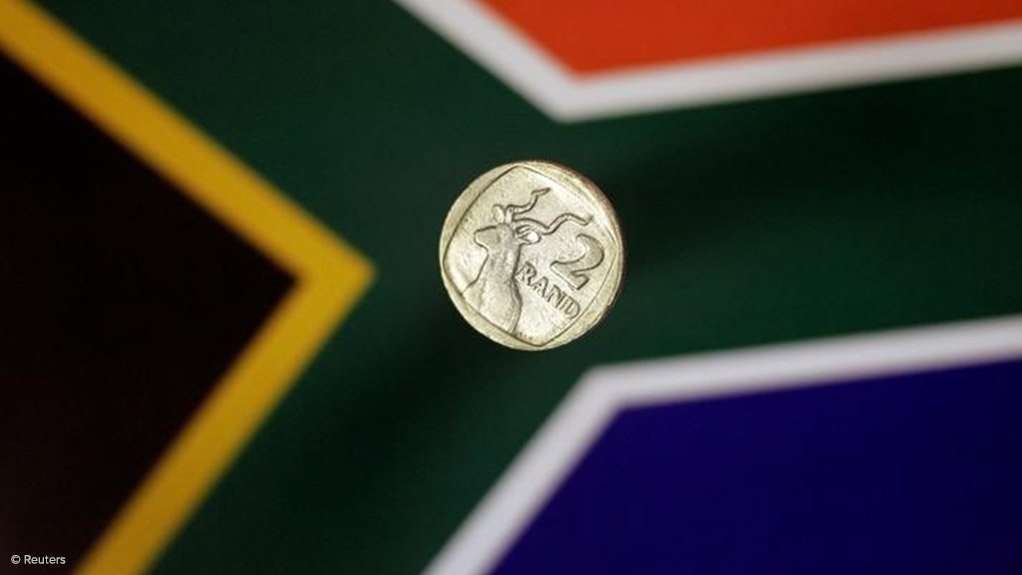
Bets on a rate hike by the South African Reserve Bank have decreased significantly, with forward-rate agreements now pricing in 15 basis points of tightening at the South African Reserve Bank’s July 23 policy meeting. This figure represents a notable reduction from the 30 basis points recorded just a week ago, indicating a swift reassessment of monetary policy expectations by market participants. The shift reflects evolving economic indicators and global commodity price movements that are influencing the central bank's potential actions.
Market Expectations Shift
Contracts are now pricing in a total of 32 basis points of rate increases for the remainder of the year. This represents a substantial decrease from the 70 basis points anticipated just one week prior, noting a rapid adjustment in market sentiment regarding the trajectory of interest rates. The change in forward-rate agreements suggests that investors perceive a lower likelihood of aggressive monetary tightening by the South African Reserve Bank in the coming months. This re-evaluation is a direct response to recent economic data and global developments, particularly those impacting inflation. The pricing in of fewer rate hikes could also signal a more optimistic outlook on the central bank's ability to manage inflation without resorting to drastic measures.
Inflationary Pressures Easing
Inflation in Africa’s largest economy likely accelerated to 4.7% in May, up from 4% in the preceding month. This projection comes from the median estimate of 18 economists surveyed by Bloomberg. The anticipated increase in inflation for May follows a period where consumer price growth had shown signs of moderating. The Bloomberg survey provides insight into prevailing expectations among economic analysts regarding price trends in the country, serving as a key barometer for market sentiment. This data point is a key factor influencing the South African Reserve Bank's monetary policy decisions and market sentiment regarding future interest rate adjustments. The shift in market expectations for rate hikes is closely tied to these evolving inflationary outlooks, particularly as the central bank aims to keep inflation within its target range.
Central Bank's Recent Stance
The South African Reserve Bank targets inflation at the midpoint of its 3% to 6% range, effectively aiming for 3%. This explicit target guides its monetary policy decisions and communications. Policymakers last month implemented a 25 basis point increase, raising borrowing costs to 7%. This marked the first rate hike by the central bank in three years, signaling a definitive shift in its monetary policy approach after an extended period of accommodative measures. The decision followed a period of sustained low interest rates aimed at supporting economic growth and recovery. The recent adjustment indicates the central bank's commitment to its inflation mandate, even as inflationary pressures show signs of easing in some areas, demonstrating its proactive stance in managing price stability. This move was closely watched by financial markets, significantly impacting expectations for future rate adjustments and the broader economic outlook.
Global Factors Influence Policy
The recent decline in oil prices, partly influenced by increased supply from Iran and the United States, has eased global inflationary pressures. This development is a key factor enabling the South African Reserve Bank to potentially temper its hawkish stance on interest rates, as external cost pressures diminish. The global energy market dynamics directly impact domestic fuel prices, which are a significant component of the consumer price index. A sustained reduction in oil prices could provide further relief to headline inflation, giving the central bank more flexibility in its policy decisions. This global trend, coupled with domestic economic data, forms the complex backdrop against which the South African Reserve Bank formulates its monetary policy.