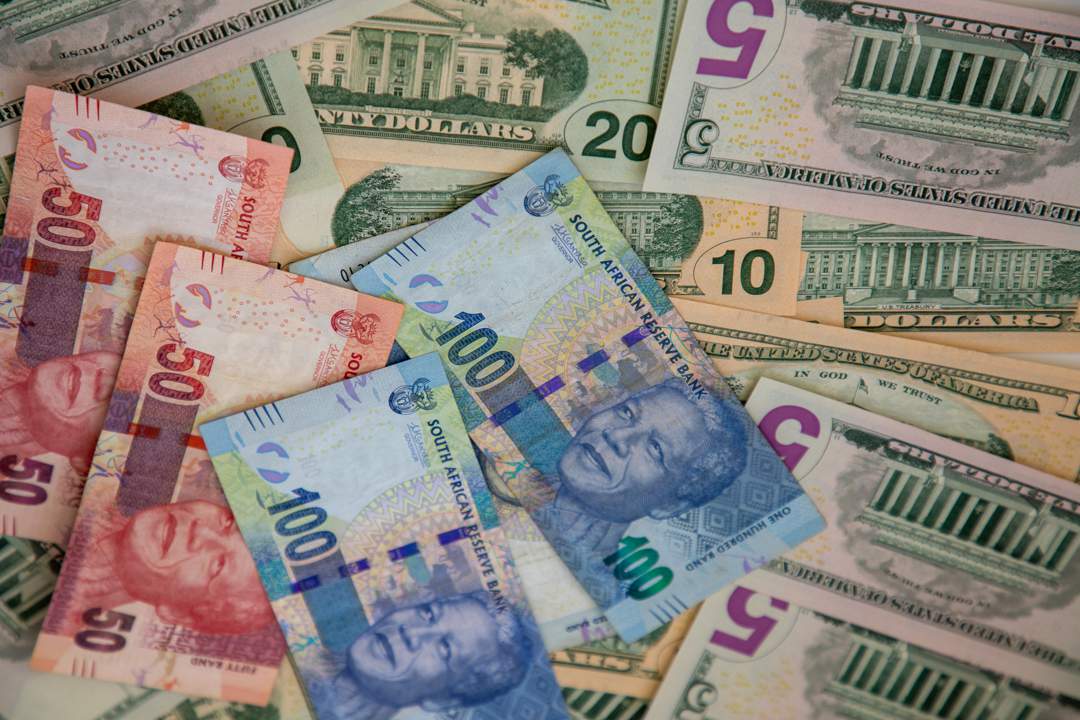
South African rand traders experienced significant losses in the carry trade during March, despite the currency's overall rebound. This period noted a complex dynamic within the market, where broader investor confidence in South African assets grew, even as certain speculative strategies faced headwinds. Traders faced a 4.7% hit in the rand-dollar carry trade last month, a notable setback for those employing this particular strategy. This development occurred as investors increasingly moved towards high-yield bonds in South Africa, impacting some speculative currency strategies. The losses highlight the volatility within certain segments of the market even as broader investor sentiment shifts towards the nation's fixed income offerings. This divergence shows the nuanced nature of capital flows into emerging markets, where different investment vehicles can perform independently.
Carry Trade Reversal Explained
Traders are increasingly returning to South Africa's high-yielding bonds, a trend observed across the market. This renewed interest comes despite the rand-dollar carry trade experiencing a 4.7% loss during March. The carry trade, which involves borrowing in a low-interest-rate currency and investing in a high-interest-rate currency, saw a significant reversal last month, presenting challenges for those who had positioned themselves for continued gains. This development indicates a shift in investor focus towards direct bond exposure in the nation, even as some currency strategies face headwinds. The appeal of South Africa's attractive bond yields appears to outweigh the recent struggles of the carry trade, suggesting a more fundamental allocation of capital. This strategic pivot by investors reflects a search for stable returns in a volatile global economic landscape.
Market Stability and Bond Appeal
Investment is surging into South Africa's high-yielding bonds, attracting significant capital inflows. This trend indicates a strong return of investor confidence in the nation's fixed income market, signaling a belief in the country's economic resilience and potential for attractive returns. Concurrently, market volatility has seen a notable reduction, contributing to a more predictable investment environment. Price swings within the market eased to levels below those observed prior to the conflict in Ukraine, marking a significant improvement in market stability. This decrease in volatility suggests a stabilization of the financial environment, contributing to the appeal of South African assets. The combination of high yields and diminished price fluctuations has made the country's bonds particularly attractive to international investors seeking both returns and stability. This improved sentiment is key for sustaining long-term investment and fostering economic growth within the country. The shift away from extreme price movements provides a more secure foundation for capital deployment.
Future Outlook for Rand
The South African rand's recent performance suggests a cautious yet optimistic outlook among market participants, particularly concerning its long-term stability. While specific speculative currency strategies have faced challenges, the broader interest in South Africa's high-yielding bonds indicates a sustained flow of capital into the country. This influx of investment in the bond market provides a strong underpinning for the rand, supporting its valuation against major currencies. Analysts are closely monitoring global economic indicators and domestic policy developments, including those impacting companies like Naspers and FirstRand, which could influence future currency movements. The current environment, marked by reduced market volatility and strong bond demand, provides a foundation for the rand to maintain its recent gains. However, the currency's trajectory will remain sensitive to shifts in investor sentiment and the global appetite for emerging market assets. Continued inflows into the bond market are seen as a key factor supporting the rand's valuation in the coming months, offering a buffer against potential external shocks. The ability of South Africa to maintain attractive real yields and a stable policy environment will be critical for continued investor confidence.