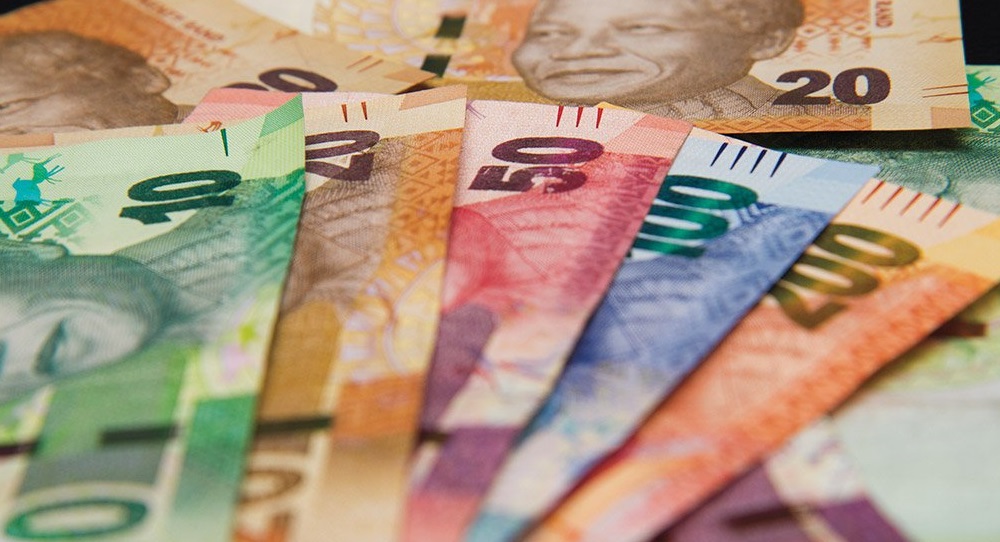
The South African rand opened the week on Monday with a firm footing, hovering near its strongest level since the start of the Iran war. The currency has been largely influenced by shifts in global market sentiment, particularly following the start of the US-Iran war on February 28. This geopolitical development has been a significant factor impacting the rand's performance, as the rand has been at the mercy of global market sentiment since the conflict began.
Global Dollar Weakness Drives Gains
The South African rand strengthened, trading approximately 0.2% higher against the dollar. This upward movement for the rand has been attributed by analysts to broader dollar weakness. The U.S. Dollar has faced pressure from market expectations regarding the Federal Reserve's future monetary policy. Investors are closely monitoring economic indicators and statements from the Federal Reserve for clues on the timing and pace of potential interest rate adjustments. A weaker dollar typically makes emerging market currencies like the rand more attractive to investors, as it increases the purchasing power of their investments when converted back to their home currency. The rand's performance reflects a general trend among emerging market currencies benefiting from the current global market dynamics.
Commodity Prices and EM Sentiment
South Africa’s key export, gold, hit its highest level in more than three months, providing a positive boost to the nation's economic outlook. The rise in commodity prices often supports the rand, as it improves the country's terms of trade and increases foreign currency inflows from exports. This trend is generally favorable for emerging market currencies, as higher commodity values can attract investor interest. In other market activity, South Africa’s benchmark 2035 government bond was slightly firmer in early deals. A firmer bond market often indicates increased investor confidence in the country's fiscal stability and economic prospects, further contributing to a positive sentiment towards the rand.
Anticipation of US Sanctions
The dollar remained near multi-month lows as currency traders awaited specific details regarding a new United States sanctions package targeting Iran. The dollar was pinned near multi-month lows as traders awaited details of this fresh US sanctions package against Iran. US Treasury Secretary Scott Bessent is scheduled to hold a press conference at 1800 GMT, where further information on the measures is expected. Secretary Bessent previously characterized the impending restrictions as "the toughest sanctions in history." Meanwhile, Iran’s foreign minister dismissed the threat of these new US sanctions, describing them as a sign of desperation. Iran’s foreign minister dismissed the threat of new US sanctions as a sign of desperation, indicating a lack of concern from Tehran regarding the impending measures.
Market Outlook and Expert View
At 06:36 GMT, the rand traded at 15.99 against the dollar. The currency's performance continued to reflect broader market dynamics. South Africa’s benchmark 2035 government bond also saw movement, with its yield falling 1.5 basis points to 8.565%. This decline in yield suggests increased demand for the bond, often seen as a sign of improving investor confidence in the country's long-term economic stability.
Market participants are currently focused on upcoming economic data and statements from the United States. Investors are looking ahead to the release of key US inflation data later this week, which is expected to provide further insights into the trajectory of the US economy and potential Federal Reserve policy. Additionally, a speech by Federal Reserve Chair Kevin Warsh is anticipated later in the week, with markets keen to parse his remarks for any indications regarding future interest rate decisions. These events are likely to influence global currency movements, including the rand's near-term performance, as investors adjust their positions based on new information. The anticipation of these economic releases shows the interconnectedness of global financial markets and their impact on emerging market currencies.